Blog

  • Exposing and Debunking the Common Myths of Hiring an Accident Lawyer in New York

    Exposing and Debunking the Common Myths of Hiring an Accident Lawyer in New York

    When you have been injured in a car accident in NYC, hiring an accident lawyer in New York to deal with all the insurance and legal complexities is a must. However, despite the necessity, there are many myths and misconceptions involving hiring accident lawyers in New York. These myths sometimes stop victims from getting the help they deserve, significantly damaging their chances of securing compensation. At Gabriel Law, we’ve heard it all, and that is why we want to take this as an opportunity to expose and debunk some of these myths and educate everyone on the importance of having proper legal representation.

    Myth 1: It’s a simple case; I don’t need a lawyer.

    While some cases can appear simple and straightforward on the surface, things can get complicated real fast. The fact is, if you do not have the proper legal knowledge and experience, you can miss some important points that can have significant consequences. Accident attorneys bring a lot of skills, experience, and negotiating power to the table. You are more likely to walk away with a favorable settlement as opposed to when you try to handle everything by yourself. 

    Myth 2: Lawyers are too expensive—they will take all my settlement money.

    There are different types of fee arrangements that lawyers follow. In New York, most auto accident attorneys adopt a contingency fee arrangement. Under a contingency fee arrangement, a lawyer will only take a percentage of your settlement as legal fees. However, your lawyer can only claim their fees if they win your case. Under this arrangement, the client bears none of the financial burden connected with the claim. Simply put, “No win, no fees.”

    Myth 3: The insurance company will give me a fair settlement.

    Your insurance company is not your friend. While they are legally obligated to offer you a settlement, they will do their level best to reduce their financial responsibility and wash their hands clean by getting you to sign a waiver. If you try to deal with the insurance company by yourself, then you are very likely to fall victim to one of their many pressure tactics. This will result in you walking away with less than what you deserve. 

    When you bring your auto accident attorney in Queens to the negotiation table, the insurance company will know you mean business and will be more careful about applying pressure tactics. Even if they do, your lawyer will be familiar with them and will be able to teach you how to effectively deal with them. 

    Myth 4: Lawyers will only delay the resolution.

    It’s not in anyone’s interest to delay the resolution of a case. When you hire a skilled and experienced lawyer from a reputable personal injury law firm in NYC, they will ensure that your case is handled efficiently and in a timely manner. When you have a lawyer handling your case, the delays caused by the lack of proper documents and other administrative errors can be significantly reduced. 

    Furthermore, consider the fact that almost 90% of car accident cases are settled out of court. This is a good indication of how lawyers prioritize efficient conflict resolution over lengthy court proceedings. 

    Myth 5: I have plenty of time to file a claim; I can wait a bit.  

    Do not make the mistake of assuming you have all the time in the world to file your accident claim. In fact, the deadlines for insurance claims and lawsuits in New York are extremely strict. Failing to keep up with these deadlines will result in you losing your right to claim compensation, regardless of the merits of your claim. 

    Keep in mind that you need to complete filing of your insurance claim within 30 days of the accident. Also note that if you are filing a personal injury lawsuit, it must be done within 3 years from the date of the accident. While these periods can seem like a lot of time, it can quickly creep up on you. Hiring a Queens car accident lawyer can help you make sure that you do not lose your right to compensation and you walk away from the whole ordeal with your settlement in hand.

    Conclusion

    There are a lot of myths and misconceptions when it comes to hiring an accident lawyer in New York. But do not let these myths and misconceptions stop you from getting the legal help you need. When it comes to dealing with complex insurance and legal procedures following a car accident, you need an experienced attorney by your side. That is where Gabriel Law can help. 

    As a personal injury law firm in NYC, we hear a lot about these myths and misconceptions from our clients. Rest assured, we are more than happy to answer any questions you have about the legal process and put your mind at ease. Contact us today and schedule your free consultation.  

  • The Differences Between Online Slots, Live Casino, and Online Poker

    The Differences Between Online Slots, Live Casino, and Online Poker

    The digital gambling industry has grown rapidly over the past decade. With the rise of high-speed internet and mobile technology, players can now access a wide variety of casino games from the comfort of their homes. Among the most popular types of online casino entertainment are online slot, live casino games, andonline poker. Although these three categories exist within the same gambling ecosystem, they offer very different experiences in terms of gameplay, strategy, interaction, and entertainment value.

    Understanding the differences between online slots, live casino games, and online poker can help players choose the type of game that best matches their preferences and playing style. Some players prefer quick, simple games, while others enjoy strategic thinking or the social experience of playing with real dealers and other players. Each category offers something unique.

    Online Slots: Simple, Fast, and Entertaining

    Online slots are arguably the most popular type of casino game on the internet. Inspired by traditional slot machines found in land-based casinos, online slots have evolved into highly interactive games featuring advanced graphics, immersive sound effects, and creative themes.

    One of the biggest reasons for the popularity of online slots is their simplicity. Players do not need any special skills or complex strategies to play. The gameplay is straightforward: players choose their bet amount, press the spin button, and wait for the reels to stop. The outcome is determined by a Random Number Generator (RNG), a system that ensures each spin is completely random and fair.

    Another appealing feature of online slots is the massive variety available. Developers constantly release new slot games with themes based on mythology, adventure, movies, fantasy worlds, ancient civilizations, and much more. This diversity keeps the gaming experience fresh and exciting for players.

    Modern online slots also include many bonus features such as free spins, wild symbols, scatter symbols, multipliers, and special bonus rounds. Some games even offer progressive jackpots, where the prize pool increases every time someone plays until a lucky player wins the entire jackpot.

    However, because online slots rely almost entirely on luck, players cannot influence the outcome beyond choosing their bet size. For many people, this is part of the fun—slots are easy to play, fast-paced, and perfect for casual entertainment.

    Live Casino: Bringing the Real Casino Experience Online

    Live casino games offer a completely different experience compared to online slots. Instead of being powered solely by computer algorithms, live casino games are hosted by real human dealers and streamed to players through live video technology.

    In a live casino environment, players can join a virtual table where a professional dealer manages the game in real time. Popular live casino games include blackjack, roulette, baccarat, and game shows designed specifically for live platforms. Players place bets using a digital interface while watching the dealer handle cards or spin the roulette wheel live on camera.

    The biggest advantage of live casino games is authenticity. Players get to experience the atmosphere of a real casino without traveling to a physical location. The presence of a real dealer adds a human element that makes the game feel more immersive and trustworthy.

    Another key feature is social interaction. Many live casino platforms allow players to communicate with the dealer and sometimes with other players through chat functions. This interaction can make the experience more engaging and enjoyable, especially for those who appreciate the social aspect of gambling.

    Live casino games also provide transparency. Since the games are broadcast live, players can watch the entire process unfold in real time. There are no hidden mechanics or automated spins; everything happens in front of the camera.

    However, live casino games generally move at a slower pace than online slots. Because the games are conducted by real dealers and involve multiple players, each round takes more time. Additionally, live casino games require a stable internet connection to ensure smooth video streaming.

    Online Poker: Strategy, Skill, and Competition

    Online poker stands apart from both online slots and live casino games because it is primarily a skill-based game. While luck plays a role in the cards players receive, long-term success in poker depends heavily on strategy, psychology, and decision-making.

    Unlike most casino games where players compete against the house, poker players compete against each other. The goal is to win chips or money by having the best hand or by convincing opponents to fold through strategic betting.

    There are several popular variations of online poker, including Texas Hold’em, Omaha, and Seven-Card Stud. Among these, Texas Hold’em is the most widely played and is often featured in major poker tournaments worldwide.

    Online poker requires players to understand probabilities, betting strategies, and game theory. Skilled players often study their opponents’ behavior, betting patterns, and timing to gain an advantage at the table.

    Another unique aspect of online poker is the competitive environment. Many platforms offer tournaments where hundreds or even thousands of players compete for large prize pools. These events can range from small buy-in games to major tournaments with life-changing winnings.

    Because of its strategic nature, poker often attracts players who enjoy mental challenges and competition. However, beginners may find the learning curve steeper compared to slots or live casino games. It takes time, practice, and patience to develop strong poker skills.

    Key Differences Between the Three

    Although online slots, live casino games, and online poker all belong to the world of online gambling, they differ significantly in several ways.

    First is the level of complexity. Online slots are the easiest to play, requiring no prior knowledge or strategy. Live casino games require players to understand rules and basic strategies, especially in games like blackjack. Online poker, on the other hand, involves deeper strategic thinking and player analysis.

    Second is the role of luck versus skill. Online slots depend almost entirely on luck. Live casino games combine luck with a certain level of strategy. Poker relies heavily on skill, experience, and psychological tactics.

    Third is the social element. Slots are usually played solo with little to no interaction. Live casino games allow players to interact with dealers and sometimes other players. Poker involves direct competition against other players, making it highly interactive and strategic.

    Fourth is the pace of gameplay. Slots are extremely fast and allow players to spin continuously. Live casino games move at a moderate pace due to the involvement of real dealers. Poker can vary depending on the table dynamics and number of players.

    Choosing the Right Game for You

    The best type of online casino game depends on what kind of experience a player is looking for.

    Players who want quick entertainment with minimal learning usually prefer online slots. These games are perfect for relaxing and enjoying visually engaging gameplay.

    Those who want a more realistic casino atmosphere may find live casino games more appealing. The presence of real dealers and live streaming creates a sense of authenticity that many players enjoy.

    Meanwhile, players who enjoy strategic thinking and competition are often drawn to online poker. The opportunity to outsmart opponents and improve skills over time makes poker especially rewarding for competitive players.

    Conclusion

    Online slots, live casino games, and online poker each offer unique experiences within the online gambling world. Slots provide simple, fast-paced entertainment driven by luck. Live casino games recreate the atmosphere of a real casino through live dealers and interactive gameplay. Online poker introduces strategy, skill, and competition between players.

    By understanding the differences between these three categories, players can choose the type of game that best suits their personality and gaming preferences. Whether someone enjoys casual spinning, immersive live games, or strategic card battles, the online casino world offers something for everyone. 

  • How Truck Accidents in Austin Can Affect Families Long After the Crash Is Over

    How Truck Accidents in Austin Can Affect Families Long After the Crash Is Over

    When a truck accident happens, the focus is usually on the person who was injured. But in reality, the impact of a serious truck crash in Austin often extends far beyond the individual involved. Families frequently experience long-term changes to daily routines, finances, emotional health, and future plans—sometimes long after the physical injuries begin to heal.

    Truck accident cases are different because the injuries tend to be more severe, recovery periods are longer, and uncertainty can linger for months or even years.

    Recovery Often Becomes a Family Effort

    After a serious truck accident, injured individuals may need help with basic activities they once handled independently. Family members often step in to provide support.

    This can include:

    • Driving to medical appointments
    • Helping with daily tasks like cooking or cleaning
    • Managing medications or therapy schedules
    • Providing childcare or elder care
    • Assisting with mobility or personal care

    Over time, these responsibilities can take a physical and emotional toll on caregivers.

    Financial Pressure Can Affect the Entire Household

    Truck accident injuries often lead to extended time away from work. In some cases, the injured person may not be able to return to the same job—or return at all.

    Families may face:

    • Reduced household income
    • Increased medical expenses
    • Travel costs for treatment
    • Higher insurance deductibles
    • Delayed plans such as home purchases or education

    Even families with savings can feel strain when expenses continue while income drops.

    Emotional Stress Is Often Overlooked

    Serious injuries can change family dynamics. Anxiety, frustration, and uncertainty can affect everyone in the household.

    Common emotional challenges include:

    • Stress over long-term recovery
    • Fear of driving or being near trucks
    • Role changes within the family
    • Sleep disruption
    • Feelings of guilt or helplessness

    These emotional effects may not be visible, but they can significantly affect quality of life.

    Children Often Feel the Impact Indirectly

    When a parent or caregiver is injured, children may experience changes they don’t fully understand.

    These changes can include:

    • Less time with an injured parent
    • Disrupted routines
    • Increased responsibilities at home
    • Emotional distress from seeing a loved one in pain

    Even when children are not physically injured, the effects of a truck accident can shape their sense of stability.

    Long-Term Planning Becomes Uncertain

    Truck accident injuries can make future planning difficult. Families may struggle to make decisions about:

    • Career paths
    • Relocation
    • Retirement
    • Education expenses
    • Long-term care needs

    When recovery timelines are unclear, it becomes harder to plan with confidence.

    Why Family Impact Matters in Truck Accident Claims

    Because truck accidents often cause life-altering injuries, the ripple effects on families are sometimes considered when evaluating the full scope of harm. Lost income, reduced earning capacity, and long-term care needs can all affect household stability.

    This is why some families speak with an Austin, TX Truck Accident Lawyer to better understand how the broader impact of a truck accident may be addressed under Texas law, especially when injuries disrupt family life for the long term.

    Recovery Is Rarely Linear—for Anyone Involved

    Healing after a truck accident is rarely a straight path. Progress may come in stages, with setbacks along the way. Families often have to adjust expectations repeatedly as recovery unfolds.

    What begins as short-term help can quietly become a long-term reality.

    Final Thoughts

    Truck accidents in Austin often leave lasting effects that go well beyond the crash itself. Families may face emotional strain, financial pressure, and lifestyle changes that are not immediately obvious in the days following an accident.

    Understanding the broader family impact of truck accidents helps highlight why these cases are different from ordinary crashes—and why recovery is often a shared journey rather than an individual one.

  • Nutrition for Follicles: Foods that Support Healing and Growth

    Nutrition for Follicles: Foods that Support Healing and Growth

    We often think of hair restoration as a purely external process: a surgeon moves follicles, you wash your scalp, and you wait. However, the biological reality is that your hair is built from the inside out. A hair transplant places the “seeds” (the grafts) into the scalp, but your body provides the “soil.” If that soil is nutrient-poor, even the most expertly placed grafts will struggle to thrive. Post-operative nutrition is a critical, yet often overlooked, component of a successful result.

    When you undergo a hair transplantation, your body enters a state of high metabolic demand. It needs to repair thousands of tiny incisions, build new blood vessels (angiogenesis), and produce new keratin (hair protein). This requires a surplus of energy and specific building blocks. Ignoring your diet during this recovery phase can lead to slow healing, increased shock loss, and finer, weaker hair growth.

    Protein: The Building Block of Hair

    Hair is composed almost entirely of a tough, fibrous protein called keratin. Therefore, protein is the non-negotiable foundation of your post-transplant diet. If you are not consuming enough protein, your body will prioritize vital organs over hair growth, shifting hair follicles into the resting phase (telogen).

    To support the massive regeneration required after surgery, aim to include a high-quality protein source at every meal. Lean meats like chicken and turkey, fish (rich in omega-3s), eggs, and legumes are excellent choices. For vegetarians and vegans, ensuring a complete amino acid profile through combinations of beans, lentils, quinoa, and soy is essential.

    Iron and Zinc: The Oxygen Carriers

    Blood flow is everything for a new graft. The tiny blood vessels that reconnect to the follicle need to deliver oxygen efficiently. Iron is the mineral that allows your red blood cells to carry oxygen. Iron deficiency (anemia) is a leading cause of hair loss in women and can severely hamper the growth of transplanted hair. Red meat, spinach, lentils, and fortified cereals are great iron boosters. To maximize absorption, pair iron-rich foods with Vitamin C (like a glass of orange juice or a side of peppers).

    Zinc is another powerhouse mineral. It plays a vital role in tissue repair and cell division—two processes that are in overdrive after surgery. A zinc deficiency can lead to the deterioration of the protein structure that makes up the hair follicle. Oysters are the most potent source of zinc, but beef, pumpkin seeds, and chickpeas are more accessible daily options.

    Vitamins for Vitality: A, C, E, and Biotin

    • Vitamin A: Essential for the production of sebum, the natural oil that moisturizes the scalp and keeps hair healthy. Sweet potatoes, carrots, and spinach are loaded with beta-carotene, which the body converts to Vitamin A.
    • Vitamin C: Beyond boosting immunity, Vitamin C is crucial for collagen production. Collagen is the connective tissue that holds the skin together and seals the incisions around the grafts. Citrus fruits, strawberries, and bell peppers should be staples in your recovery diet.
    • Vitamin E: A powerful antioxidant that improves blood circulation and oxygen uptake. Almonds, sunflower seeds, and avocados are rich in Vitamin E and help protect the scalp from oxidative stress.
    • Biotin (Vitamin B7): Often marketed as the “hair growth vitamin,” Biotin helps produce keratin. While rare, a deficiency can cause brittle hair. Eggs, nuts, and whole grains are natural sources. Many clinics, includingGold City, recommend a Biotin supplement for the first 6 months to ensure optimal levels.

    Hydration: The Unsung Hero

    Water is the medium in which all cellular repair takes place. A dehydrated body has dry, tight skin that heals slowly and is prone to scabbing. Scabs that linger too long can block new hair growth. Aim for at least 2-3 liters of water a day. Avoid excessive alcohol and caffeine, as they are diuretics that can dehydrate you and leach vital nutrients from your system.

    Foods to Avoid

    Just as some foods heal, others harm. Processed sugars and fast food cause inflammation in the body. Systemic inflammation can disrupt the blood supply to the scalp and prolong the redness and swelling after surgery. Highly salty foods should also be restricted, as sodium retention exacerbates post-operative swelling, particularly around the forehead and eyes.

    Supplements: A Safety Net

    While a balanced diet is ideal, it can be hard to get therapeutic doses of all these nutrients from food alone, especially when recovering from surgery. This is why many surgeons prescribe a specific hair-growth multivitamin complex. These supplements bridge the gap, ensuring your follicles have a constant supply of “fuel” regardless of what you ate for lunch.

    Feeding Your Investment

    Think of your diet as part of your aftercare prescription. Every time you choose a nutrient-dense meal over empty calories, you are actively helping your grafts anchor, heal, and grow. By fueling your body with the right ingredients, you are giving yourHair transplantation the best possible chance to reach its full potential, resulting in a head of hair that is not just present, but thick, shiny, and resilient.

  • Expert Solutions for a Clogged Drain in Raleigh – Trust the Top Raleigh Plumbing Professionals

    Expert Solutions for a Clogged Drain in Raleigh – Trust the Top Raleigh Plumbing Professionals

    If you’re dealing with a Clogged Drain Raleigh, you’re not alone. From kitchen sinks and bathroom drains to main sewer lines, blockages are a common headache for homeowners and business owners alike. In a city like Raleigh, where rapid growth meets diverse housing structures—ranging from historic homes to new builds—plumbing issues are inevitable. The good news? Professional plumbing help is just around the corner.

    This guide will walk you through common causes of drain clogs, signs of trouble, and why choosing an experienced Raleigh plumbing service is the best solution.


    Common Causes of Clogged Drains

    Understanding what causes drain blockages is the first step toward prevention. Here are some of the usual suspects:

    1. Hair and Soap Scum

    In bathroom sinks, tubs, and showers, hair builds up over time. Combined with soap scum, it forms dense clogs that slow water flow.

    2. Grease and Food Debris

    Kitchen sinks face a different enemy—grease, oil, and food particles. These substances harden inside pipes and restrict water passage.

    3. Foreign Objects

    Whether it’s kids flushing toys or improper disposal of hygiene products, foreign objects are a major source of clogs, especially in toilets.

    4. Tree Roots and Pipe Damage

    In older Raleigh neighborhoods, tree roots may infiltrate cracked sewer lines. As they grow, they block drainage or even rupture pipes entirely.


    Warning Signs You Shouldn’t Ignore

    Sometimes, a clogged drain is more than just a minor inconvenience—it’s a warning. Call a plumber if you notice:

    • Water draining slowly from sinks, tubs, or showers
    • Gurgling noises in drains
    • Foul odors coming from plumbing fixtures
    • Water backing up into sinks or bathtubs
    • Overflowing toilets or unexplained puddles in the yard

    Addressing these issues early can prevent costly damage to your plumbing system and home.


    DIY vs. Professional Help: What Works Best?

    Many people reach for chemical drain cleaners when clogs strike, but these can corrode pipes and offer only temporary relief. Snaking a drain yourself might work for small blockages, but for larger or recurring issues, it’s best to call in the pros.

    Hiring a professional Raleigh Plumbing company ensures:

    • Accurate diagnosis using video inspection tools
    • Safe and effective clog removal
    • Long-term solutions, including hydro-jetting or pipe replacement if needed
    • Peace of mind knowing the job is done right

    Benefits of Hiring a Local Raleigh Plumber

    Choosing a local plumber comes with advantages:

    1. Fast Response Times

    Raleigh plumbers know the area, traffic patterns, and neighborhoods. That means quicker arrival and faster service—critical during emergencies.

    2. Tailored Solutions

    Local professionals are familiar with common issues in Raleigh homes, from red clay soil-related shifts to aging sewer lines in older districts.

    3. Support for the Community

    Hiring local means supporting small businesses and contributing to Raleigh’s economy.


    Preventive Tips to Avoid Future Drain Problems

    Once your drain is clear, keep it that way with these tips:

    • Use drain guards in sinks and tubs to catch hair and debris
    • Avoid pouring grease or oil down the kitchen sink
    • Flush only toilet paper—no wipes, cotton swabs, or feminine products
    • Schedule annual plumbing inspections to detect early issues

    Final Thoughts

    A clogged drain may seem like a minor issue, but it can escalate quickly without proper care. Whether you need a quick fix or a full system evaluation, trust the experts in Raleigh plumbing to deliver quality, reliable service.

    Don’t let a simple clog disrupt your home. Act now—because prevention, paired with professional help, is the key to a stress-free plumbing experience.

  • The Most Misunderstood Part of Facial Health: Why Jaw Joints Matter More Than People Think

    The Most Misunderstood Part of Facial Health: Why Jaw Joints Matter More Than People Think

    When people talk about facial health, the conversation usually stays on the surface—teeth alignment, smile aesthetics, skincare, or maybe sinus issues. But one of the most influential structures in the face rarely gets attention until something goes wrong: the temporomandibular joint (TMJ).

    The TMJ is not just “a jaw hinge.” It’s a highly specialized joint system that directly affects chewing, speech, posture, and even sleep. And when TMJ pathology develops, the symptoms often show up in ways that don’t immediately seem connected to the jaw—leading many patients down long, confusing treatment paths.

    This article takes a deeper look at why the TMJ is central to facial health, what happens when it breaks down, and how maxillofacial medicine approaches these complex conditions.

    Understanding the TMJ: A Joint That Works All Day, Every Day

    The TMJ is located on both sides of your face, just in front of your ears. It connects the lower jaw (mandible) to the skull and is responsible for movement in multiple directions:

    • opening and closing
    • forward and backward motion
    • side-to-side motion
    • chewing patterns
    • speaking mechanics

    Unlike a simple hinge joint, the TMJ has a disc inside it that allows smooth gliding movement. This disc acts as a shock absorber, helping the joint handle repeated force without friction damage.

    Because the TMJ is used constantly—thousands of times per day—it is extremely sensitive to imbalances in bite, jaw position, muscle tension, and structural deformities.

    Why TMJ Problems Are Often Misdiagnosed

    TMJ disorders are frequently mistaken for other conditions because symptoms overlap with many issues.

    For example, TMJ dysfunction can feel like:

    • ear infections (ear pain or pressure)
    • tension headaches
    • sinus discomfort
    • tooth pain
    • facial nerve sensitivity
    • neck strain

    A patient may visit dentists, ENTs, neurologists, and physiotherapists before anyone connects the symptoms to the jaw joint itself. Even then, many people are told, “It’s just stress,” because grinding and clenching are common contributors.

    But TMJ disorders can go far beyond stress-related muscle pain.

    TMJ Pathology vs. TMJ Discomfort: There’s a Big Difference

    Not all jaw pain is the same.

    TMJ discomfort (functional pain) may involve:

    • muscle soreness from clenching
    • temporary inflammation
    • short-term bite irritation

    This type can often improve with conservative care.

    TMJ pathology (structural damage) may involve:

    • disc degeneration
    • joint erosion
    • arthritic breakdown
    • condylar resorption (bone loss)
    • progressive jaw position changes

    This is where problems become complex, because structural damage doesn’t resolve just by relaxing the jaw.

    The Silent Progression: When the Bite Changes Without You Noticing

    One of the most important red flags in TMJ pathology is bite change.

    Patients often say things like:

    • “My teeth don’t line up like they used to.”
    • “Only one side touches now.”
    • “My jaw feels shifted.”
    • “I’m chewing differently without trying.”

    These changes may happen slowly over months or years. The reason is simple: the TMJ helps determine where the jaw sits. If the joint degenerates or changes shape, the jaw’s resting position can change too—causing the bite to evolve.

    This is why some people develop worsening facial asymmetry over time without any obvious injury.

    Why TMJ and Jaw Deformities Often Appear Together

    A major reason TMJ cases become complicated is that jaw structure and joint health are connected.

    If the jaw alignment is off, the TMJ can become overloaded. If the TMJ is unstable, the jaw position can change. Either way, the condition becomes cyclical.

    That’s why advanced cases often involve both:

    • skeletal jaw misalignment
    • TMJ degeneration or dysfunction

    When these two are present together, treatment planning becomes much more than “straighten the teeth” or “wear a night guard.” It becomes a structural and functional reconstruction problem.

    This is also where the role of a Maxillofacial Surgeon becomes medically relevant, because managing joint pathology and jaw deformity requires expertise in both facial skeletal surgery and TMJ joint treatment.

    The Sleep Factor: How Jaw Joint Health Can Affect Rest

    Many people don’t realize the jaw joint can influence sleep indirectly.

    Here’s how:

    • TMJ pain can cause micro-awakenings at night
    • clenching/grinding increases muscle fatigue
    • jaw position can affect tongue posture
    • structural jaw issues can reduce airway space

    For people with sleep-disordered breathing or obstructive sleep apnea, jaw structure and positioning can be a contributing factor. Poor sleep then increases pain sensitivity, stress hormones, and inflammation—creating a feedback loop that worsens jaw symptoms.

    So TMJ health is not only about comfort while chewing—it can affect how well the body recovers daily.

    Why Some Patients Need Revision or Advanced Surgical Planning

    A unique and challenging category of TMJ care is revision planning—when someone has already had treatment, but symptoms persist or worsen.

    This may occur due to:

    • incomplete diagnosis at the start
    • treatment focused on teeth but not joints
    • jaw surgery performed without addressing joint pathology
    • relapse due to instability
    • progression of degenerative joint conditions

    Revision cases require a deeper diagnostic approach because the anatomy may be altered and the cause of relapse needs to be clearly identified.

    Final Thoughts: TMJ Health Is Facial Health

    The TMJ is one of the most overlooked joints in the body—yet it affects nearly everything people rely on daily: eating, speaking, comfort, posture, and sleep.

    The biggest mistake people make is waiting until symptoms become severe. Early evaluation is important, especially when bite changes, asymmetry, locking, or persistent pain are involved.

    Understanding the jaw joint as a structural and functional system—not just a source of clicking—helps people take symptoms seriously and seek the right level of care before long-term damage occurs.

  • The Wear You Don’t See: How Everyday Water Slowly Shapes the Life of Your Home

    The Wear You Don’t See: How Everyday Water Slowly Shapes the Life of Your Home

    There’s a certain trust we place in our homes. We assume the systems inside the walls will quietly do their jobs while we focus on living—working, resting, raising families, making dinner on busy nights. Water, especially, feels dependable. It shows up when you turn the handle. It heats when you ask it to. It disappears down the drain without complaint.

    But beneath that calm surface, water is always interacting with your home. Not dramatically. Not loudly. Just consistently. And over time, those interactions leave marks—some visible, many not.


    The Slow Accumulation Nobody Notices

    Most water carries minerals. That’s normal. What’s easy to miss is what happens to those minerals after years of flowing through pipes and fixtures. They don’t vanish. They settle, cling, and layer themselves in places you never see.

    This gradual scale buildup is one of the most common and least understood household issues. It forms inside pipes, coats valves, and lines internal components of systems that rely on clean flow. Because it happens inch by inch, homeowners rarely connect it to the problems they eventually experience.

    By the time symptoms show up—reduced pressure, uneven spray patterns, longer heating times—the cause has already been at work for years.


    When “Normal” Becomes the New Baseline

    One of the trickiest things about slow household wear is how quickly we adapt to it. A shower that feels a little weaker becomes normal. A kettle that takes longer to boil feels like it’s just getting old. Dishes that never quite look spotless must be a detergent issue, right?

    This quiet normalization is what allows small inefficiencies to turn into bigger ones. We adjust instead of investigate. We compensate instead of correct. And in doing so, we let systems work harder than they were ever meant to.

    The house doesn’t complain. It just absorbs the stress.


    The Hidden Toll on Daily Equipment

    Inside your home are dozens of systems that depend on water behaving predictably. Dishwashers, washing machines, coffee makers, ice machines—these appliances are designed with specific tolerances in mind. When mineral deposits coat internal parts, performance drops.

    You might notice cycles taking longer. You might hear unfamiliar noises. You might replace a machine years earlier than expected and chalk it up to bad luck. In reality, water quality often plays a starring role in these premature failures.

    Machines don’t break suddenly. They wear down quietly until one day they don’t turn on at all.


    Heat Changes Everything

    Water behaves differently when it’s heated. Minerals that might flow harmlessly in cold water tend to settle more aggressively when temperatures rise. That’s why heating systems are particularly vulnerable.

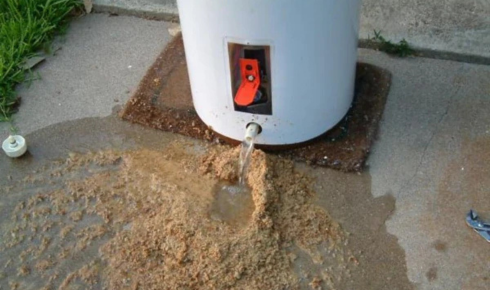
    Your water heater works every day, often without a second thought. Inside, it’s constantly exposed to heat, pressure, and mineral content. Over time, deposits settle at the bottom of the tank or coat heating elements. Efficiency drops. Energy use climbs. Lifespan shortens.

    Many homeowners don’t realize what’s happening until the heater struggles—or fails outright. By then, the fix is rarely simple.


    The Cost of Ignoring Subtle Signals

    What makes water-related wear so frustrating is that it rarely feels urgent until it’s expensive. A little extra cleaning here. A slightly higher energy bill there. A repair that seems unrelated to the last one.

    Eventually, these moments connect. Emergency service calls replace planned maintenance. Repairs interrupt routines. Replacement costs land at inconvenient times.

    None of this is dramatic enough early on to force action, but together, it forms a pattern that’s hard to ignore once you see it.


    Comfort Is Often the First Casualty

    Beyond money and mechanics, there’s comfort. Hard-working systems affect how a home feels to live in. Showers that leave skin dry. Laundry that feels stiff instead of soft. Dishes that need rewashing. These are small irritations, but they repeat daily.

    When water systems are under strain, daily routines feel heavier. Tasks take longer. Results feel inconsistent. Over time, that friction adds up to real frustration.

    Comfort isn’t about luxury—it’s about not fighting your own house.


    Why Prevention Feels Unsatisfying (But Works)

    Preventative care doesn’t offer instant gratification. There’s no dramatic before-and-after photo. No visible transformation. You’re investing in things not going wrong, and that can feel abstract.

    But prevention works quietly in the background. Pipes stay clearer. Systems run closer to their intended efficiency. Machines last longer. Repairs become rare and predictable instead of urgent and chaotic.

    The payoff isn’t excitement. It’s stability.


    Awareness Is the First Upgrade

    Most homeowners don’t need to become water experts. But paying attention helps. Notice changes in pressure. Listen for new sounds. Track how often machines need servicing. These details tell a story long before something breaks.

    Understanding what your water is doing inside your home allows you to make informed choices instead of reactive ones. It shifts control back into your hands.

    And control, in this context, is peace of mind.


    The Long View Makes a Difference

    Homes are long-term investments, not short-term projects. Decisions made today ripple forward for decades. Ignoring slow wear doesn’t save money—it postpones costs and concentrates them into stressful moments.

    On the other hand, thoughtful care spreads effort and expense out over time. It smooths the curve. It turns emergencies into maintenance and surprises into planning.

    That kind of long-term thinking rarely feels urgent, but it almost always pays off.


    Letting Water Fade Back Into the Background

    The ideal relationship with water is a quiet one. You shouldn’t have to think about pressure, residue, or performance. Water should simply do what it’s meant to do and then get out of the way.

    When systems are balanced and maintained, that’s exactly what happens. Water becomes invisible again—reliable, predictable, unremarkable in the best possible way.

    And in a home where so many things demand attention, having one less thing to worry about might be the most valuable upgrade of all.

  • Modern Body Sculpting Solutions Available in Manitoba

    Modern Body Sculpting Solutions Available in Manitoba

    For years, the options for fat reduction were relatively limited. Individuals either had to rely solely on lifestyle changes or commit to invasive surgical procedures that required significant downtime and carried various risks. However, the residents of Winnipeg and the surrounding areas now have access to a more sophisticated approach.

    The shift toward non-invasive and minimally invasive treatments reflects a broader global trend. People are looking for results that are effective yet fit seamlessly into a busy, modern lifestyle. In a province like Manitoba, where the community is active and values both work and leisure, the ability to undergo a body transformation with minimal interruption is a significant advantage. This evolution in the aesthetic industry is not just about vanity; it is about providing tools that help people feel as good on the outside as they do on the inside.

    Understanding the Power of Laser Liposuction

    When it comes to targeted fat reduction, one of the most talked-about innovations is the use of laser energy to break down fat cells. For those searching for laser liposuction Winnipeg, the primary appeal lies in the precision and safety of the technology. Unlike traditional liposuction, which can be physically taxing on the body, laser-based systems use specific wavelengths of light to liquefy fat before it is processed by the body.

    This method is particularly effective because the laser energy does more than just address fat. The heat generated by the laser also stimulates the production of collagen in the surrounding skin. This means that as the fat volume decreases, the skin has a better chance of tightening and smoothing out, rather than becoming lax. For many clients, this dual benefit of fat reduction and skin tightening is what makes the treatment a superior choice for body contouring.

    Targeting Stubborn Areas with Precision

    One of the greatest frustrations in any fitness journey is the “stubborn” area. These are the regions where the body is genetically predisposed to store fat, such as the abdomen, the “love handles” on the flanks, or the inner and outer thighs. For many, these areas remain unchanged even after significant weight loss.

    Modern sculpting solutions are designed to address these specific zones with incredible accuracy. Because the technology can be directed at localized pockets of fat, it allows for a level of “sculpting” that is impossible to achieve through diet alone. It is about refinement rather than just weight loss. By focusing on these resistant areas, practitioners can help clients achieve the proportions they have worked hard for, creating a more balanced and harmonious silhouette.

    The Benefits of a Non-Invasive Approach

    The benefits of choosing a non-invasive or minimally invasive path are numerous, particularly for those who may be hesitant about traditional surgery.

    First and foremost is the lack of a lengthy recovery period. Most modern sculpting treatments allow individuals to return to their daily routines almost immediately. In a city like Winnipeg, where people are often balancing career, family, and social commitments, this convenience is invaluable. There is no need for hospital stays or weeks of bed rest.

    Secondly, the safety profile of these treatments is excellent. Without the need for general anesthesia or large incisions, the risk of complications is significantly reduced. This makes aesthetic goals more accessible to a wider range of people. Finally, the results appear gradually. Because the body takes time to naturally process the disrupted fat cells, the transformation looks like a natural progression of a healthy lifestyle, providing a subtle and sophisticated improvement.

    Why Winnipeg is Embracing Body Contouring

    The community in Winnipeg is known for being grounded and practical, yet there is a strong appreciation for self-care and innovation. The growing popularity of body sculpting in the region is a testament to how well these treatments align with the local values.

    Manitobans deal with a wide range of seasonal changes, from the intense heat of summer to the legendary cold of winter. This environment requires a level of physical resilience. Many residents find that feeling confident in their bodies helps them stay motivated to maintain an active lifestyle year-round. Whether it is preparing for a summer at the lake or simply wanting to feel better in winter layers, body sculpting provides that extra boost of confidence that can make a world of difference in one’s daily outlook.

    Setting Realistic Expectations for Results

    While modern technology is incredibly powerful, it is important for clients to have a clear understanding of what these treatments can achieve. Body sculpting is not a weight-loss solution for those who are significantly overweight; rather, it is a tool for those who are at or near their goal weight and want to address specific areas of concern.

    During a consultation at a professional clinic like You Glow Aesthetics, the focus is on creating a personalized plan. Every body is different, and a “one-size-fits-all” approach rarely works in aesthetics. By assessing skin elasticity, fat distribution, and the client’s overall goals, experts can determine the best course of action. This personalized care ensures that the results are not only visible but also complement the natural frame of the individual.

    The Role of Professional Expertise

    The success of any body sculpting treatment depends heavily on the skill and knowledge of the provider. Even with the best technology in the world, the human element is what ensures safety and aesthetic success. It is vital to choose a clinic that prioritizes education and uses state-of-the-art equipment.

    In Manitoba, the aesthetic industry is regulated to ensure that high standards are maintained. When you visit a professional clinic, you are benefiting from years of training and a deep understanding of human anatomy. A professional team will guide you through the process, from the initial assessment to the post-treatment care, ensuring that you feel supported and informed every step of the way.

    Integrating Body Sculpting into a Healthy Lifestyle

    It is important to view body sculpting as a partner to a healthy lifestyle, not a replacement for it. The results of treatments like laser liposuction are permanent in the sense that the fat cells treated are gone for good. However, the remaining fat cells in the body can still grow if a healthy diet and exercise routine are not maintained.

    Most clients find that their results act as a powerful motivator. When you finally see the definition in your abdomen or the smoothing of your thighs that you have wanted for years, it becomes much easier to stay committed to your wellness goals. It creates a “virtuous cycle” where looking better leads to feeling better, which in turn leads to making healthier choices for the long term.

    The Future of Wellness in Manitoba

    As technology continues to advance, the options for body contouring will only become more effective and accessible. We are moving toward a future where “getting some work done” is viewed simply as another aspect of a comprehensive wellness routine, much like going to the dentist or the nutritionist.

    For the people of Manitoba, this means more opportunities to feel confident and empowered. By embracing these modern solutions, residents are taking charge of their aesthetic health and enjoying the benefits of a more sculpted, vibrant version of themselves. The journey to body confidence no longer has to be an uphill battle against genetics; with the right tools and professional guidance, the silhouette you desire is well within reach.

    A New Chapter of Confidence

    Choosing to invest in your appearance is a personal decision that can have a profound impact on your quality of life. Whether you are addressing a long-standing insecurity or simply wanting to celebrate the hard work you have put into your fitness, modern body sculpting provides a safe and effective path forward.

    With specialized care available right here in the heart of the province, achieving your goals has never been easier. Take the time to explore the possibilities and discover how the latest innovations in the field can help you glow from the inside out.

  • Water Softener or Water Conditioner: Which One Truly Fits Your Home’s Needs?

    Water Softener or Water Conditioner: Which One Truly Fits Your Home’s Needs?

    Let’s talk water. Not the sparkling kind or the kind that fuels your morning coffee—but the kind that runs through your pipes every day. The kind that makes your dishes spotty, your skin itchy, and your appliances wear out faster than they should. At some point, you’ve probably wondered if you need a water softener or water conditioner. And hey, you’re not the only one—this question pops up in homeownership circles more than you’d expect.

    We all want better water, but the problem is, no one explains the difference without sounding like a chemistry teacher. So let’s keep it simple and down-to-earth. If you’re debating whether to get a conditioner, a softener, or neither—this one’s for you.


    When Water Isn’t Just… Water

    Here’s the thing: not all water is created equal. Some of it’s loaded with calcium and magnesium—what we call hard water. While not necessarily harmful to your health, hard water is a silent troublemaker. It clings to everything, creates limescale buildup, dulls your clothes, and even ruins your water heater over time.

    Soft water, on the other hand, has had those minerals removed or neutralized. That means less build-up in your pipes, better soap lather, and longer-lasting appliances.

    But the real question that always follows is: do you need a water softener or water conditioner to fix your hard water issues?


    The Mechanism Behind the Magic

    Let’s break it down.

    A water softener works by actually removing hardness minerals—typically through a process called ion exchange. It swaps calcium and magnesium for sodium or potassium. It’s tried and true, and if you’re dealing with serious hard water, this is the workhorse that’ll get the job done.

    A water conditioner, on the other hand, doesn’t remove minerals. It changes how they behave. Most use a technology like template-assisted crystallization (TAC) to alter the structure of the minerals so they won’t stick to your pipes or surfaces. It’s more of a behavior modifier than an eviction notice.

    So, the difference between water softener and water conditioner really comes down to removal vs. transformation. If your primary concern is reducing mineral buildup while being salt-free and maintenance-light, a conditioner might be for you. But if you need true soft water for your laundry, shower, or appliances, a softener is still king.


    Real-World Impacts: What You’ll Notice

    Let’s talk about life with these systems—not the lab results.

    If you install a water softener, expect soap that lathers like a dream, glassware that sparkles, and towels that stay soft longer. Your hair might feel silkier, and your razor will glide more easily. Bonus: your hot water heater will thank you, too.

    If you go with a conditioner, your dishes may still get a few spots, and your laundry might not feel quite as soft—but you’ll likely see less scale in your shower and better performance from your appliances over time. Plus, no heavy salt bags or frequent maintenance.

    Choosing between a water conditioner or water softener isn’t just about science—it’s about lifestyle. How much effort do you want to put in? What are your water goals? Are you okay with a “good enough” fix or looking for a total overhaul?


    Environmental Footprint and Maintenance

    This part often gets overlooked—but it matters.

    Softening systems use salt and regenerate with brine, which can lead to environmental concerns depending on where you live. Some states have even placed restrictions on traditional softeners due to salt discharge affecting wastewater systems.

    Conditioners? Most are salt-free, require no drainage, and don’t need regular refills. They’re more hands-off, more eco-friendly—but again, not as effective at reducing hardness by definition.

    Maintenance is another biggie. Softening systems usually need monthly salt refills and occasional servicing. Conditioners tend to be more “set and forget.”


    A Personal Decision (Not a Universal One)

    If you came here looking for a final answer on which one is “better,” sorry to disappoint—but the truth is, it depends on you.

    Live in a region with ultra-hard water? Got a big family, lots of laundry, or expensive appliances? A softener might be worth the upfront cost and maintenance.

    Live in an area with moderate hardness? Want something eco-conscious and low-maintenance? A conditioner could be just fine.

    The bottom line is, your home, your water, your lifestyle all play a role in what’s best. Just don’t let flashy marketing or buzzwords sway you too much. The best choice is the one that works for your reality, not the average home on a sales sheet.


    Final Thoughts

    At the end of the day, there’s no shame in not knowing the difference—these terms get tossed around interchangeably, but they’re not the same. Knowing what you’re dealing with can save you money, time, and future frustration.

    Whether you choose a water softener or water conditioner, or even decide to skip treatment altogether (not recommended in high-hardness areas), the key is to make an informed choice—not just the popular one.

    Get your water tested. Talk to a local expert. Read reviews. And most of all, trust your gut. You know your home better than anyone.

  • Making Every Drop Count: Why Businesses Need Better Water Solutions Now

    Making Every Drop Count: Why Businesses Need Better Water Solutions Now

    Let’s be honest—water usually doesn’t make it into the boardroom agenda unless there’s a leak or a bill spike. But the reality is, water plays a quiet, constant role in nearly every business, from the corner café rinsing espresso machines to sprawling manufacturing floors running cooling systems. And while we’re quick to invest in tech or branding, we often forget that clean, efficient water usage is just as vital to our bottom line.

    There’s something deeply grounding about water—it flows, adapts, and supports life. In business, it does the same. That’s why rethinking how your operation uses water isn’t just eco-conscious; it’s smart. It’s about sustainability, savings, and—believe it or not—better customer experiences.


    Water and Business: More Connected Than You Think

    Whether you’re running a hospitality group, a dental office, or a craft brewery, water quality affects more than just utility costs. It influences equipment lifespan, hygiene standards, employee comfort, and even product consistency. When you start to break it down, the role of business water becomes clear—and critical.

    Most of us assume the water that flows from the tap is “good enough.” And sometimes, it is. But not always. Mineral-heavy hard water can corrode fixtures. Chemical-heavy supplies might leave weird aftertastes or odors. Poor pressure? Could disrupt daily workflow. Multiply these small issues by weeks and months, and suddenly, you’re facing hidden costs that could’ve been avoided.


    Filtering Out the Noise (and Contaminants)

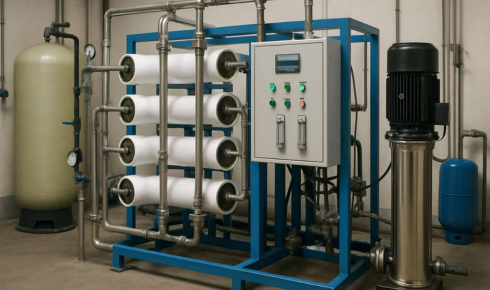
    This is where water filtration comes into play. And no, we’re not talking about those dinky under-the-sink setups. Commercial-grade systems are a different breed—engineered for volume, precision, and consistency.

    Filtration systems today can handle everything from chlorine and chloramine to lead, bacteria, and sediment. They protect your coffee machines from limescale, your drinking water from odd tastes, and your employees from questionable breakroom water. Not only does this create a better working environment, but it also elevates the perception of your brand. Because let’s face it—no one’s impressed by cloudy water or crunchy ice.

    Think of filtration as the first layer of respect: for your team, your tools, and your clients.


    Conditioning Isn’t Just for Hair

    Now let’s talk minerals. Hard water may be natural, but it’s not harmless. Those calcium and magnesium ions can wreak havoc on pipes, boilers, and anything with a waterline. Enter the unsung hero: water conditioning.

    Water conditioning isn’t about removing every single mineral (that’s softening), but rather about treating water to prevent scale buildup and improve efficiency. It’s a practical choice for businesses that rely heavily on plumbing and machinery—think car washes, commercial kitchens, hotels.

    With conditioning in place, you’re not only saving on maintenance costs, but also boosting energy efficiency. That boiler or dishwasher? It’ll thank you with fewer repairs and a longer lifespan.


    What’s It Really Worth?

    Here’s a little math: That $1,500 you spend on a filtration or conditioning system could save you thousands in repairs, replacements, and wasted energy over just a few years. That’s not fluff—it’s a fact supported by countless case studies across industries.

    But it’s not just about dollars. It’s about ease. Staff won’t be running for bottled water. Customers won’t notice spots on their glassware. You’ll reduce downtime due to clogged lines or faulty valves. All the little things that make business smoother? They start with water.


    Customized Systems, Not Cookie-Cutter Fixes

    Every business has its quirks—and so does its water. A bakery in Austin might need different filtration than a salon in Seattle. That’s why the best providers don’t just sell systems. They assess, test, recommend, and tailor.

    You don’t have to be a water expert to improve your operation. But working with folks who are? That’s the game-changer.

    Look for providers who offer testing, consultations, and ongoing support. Bonus points if they help track ROI or offer flexible upgrades down the line. Because as your business grows, your water demands might too.


    Greener Water, Cleaner Brand

    Let’s not ignore the sustainability angle here. Customers and clients care about how you operate. Reducing waste, managing resources wisely, and cutting down on energy usage through smart water systems shows you care too.

    It’s an easy win. You’re not only optimizing performance—you’re reducing your footprint. That’s a message worth sharing in your next marketing email.


    So, Is It Time?

    If you’ve read this far, chances are something’s clicked. Maybe your dishwasher’s been acting up. Maybe your team’s been hinting that the tap water tastes off. Maybe you’ve seen one too many water stains in your restroom sinks. Whatever the trigger, it’s worth exploring.

    Start with a test. Talk to local providers. Ask questions. You don’t need to overhaul everything overnight. But you do need a plan—and it starts with understanding your water.


    Wrapping Things Up

    Water might not be glamorous. It doesn’t show up in quarterly reports. It doesn’t get flashy headlines. But behind the scenes? It’s working every hour of every day to keep your business running smoothly.

    So give it the attention it deserves. Whether it’s filtration, conditioning, or simply making smarter choices with the resources you have—better water is better business.