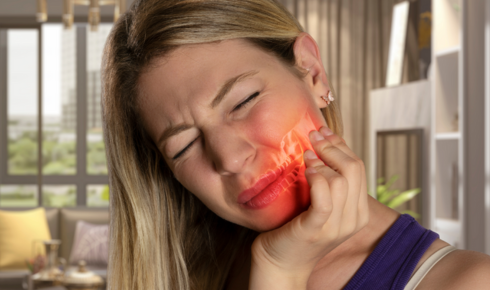
When people talk about facial health, the conversation usually stays on the surface—teeth alignment, smile aesthetics, skincare, or maybe sinus issues. But one of the most influential structures in the face rarely gets attention until something goes wrong: the temporomandibular joint (TMJ).
The TMJ is not just “a jaw hinge.” It’s a highly specialized joint system that directly affects chewing, speech, posture, and even sleep. And when TMJ pathology develops, the symptoms often show up in ways that don’t immediately seem connected to the jaw—leading many patients down long, confusing treatment paths.
This article takes a deeper look at why the TMJ is central to facial health, what happens when it breaks down, and how maxillofacial medicine approaches these complex conditions.
Understanding the TMJ: A Joint That Works All Day, Every Day
The TMJ is located on both sides of your face, just in front of your ears. It connects the lower jaw (mandible) to the skull and is responsible for movement in multiple directions:
- opening and closing
- forward and backward motion
- side-to-side motion
- chewing patterns
- speaking mechanics
Unlike a simple hinge joint, the TMJ has a disc inside it that allows smooth gliding movement. This disc acts as a shock absorber, helping the joint handle repeated force without friction damage.
Because the TMJ is used constantly—thousands of times per day—it is extremely sensitive to imbalances in bite, jaw position, muscle tension, and structural deformities.
Why TMJ Problems Are Often Misdiagnosed
TMJ disorders are frequently mistaken for other conditions because symptoms overlap with many issues.
For example, TMJ dysfunction can feel like:
- ear infections (ear pain or pressure)
- tension headaches
- sinus discomfort
- tooth pain
- facial nerve sensitivity
- neck strain
A patient may visit dentists, ENTs, neurologists, and physiotherapists before anyone connects the symptoms to the jaw joint itself. Even then, many people are told, “It’s just stress,” because grinding and clenching are common contributors.
But TMJ disorders can go far beyond stress-related muscle pain.
TMJ Pathology vs. TMJ Discomfort: There’s a Big Difference
Not all jaw pain is the same.
TMJ discomfort (functional pain) may involve:
- muscle soreness from clenching
- temporary inflammation
- short-term bite irritation
This type can often improve with conservative care.
TMJ pathology (structural damage) may involve:
- disc degeneration
- joint erosion
- arthritic breakdown
- condylar resorption (bone loss)
- progressive jaw position changes
This is where problems become complex, because structural damage doesn’t resolve just by relaxing the jaw.
The Silent Progression: When the Bite Changes Without You Noticing
One of the most important red flags in TMJ pathology is bite change.
Patients often say things like:
- “My teeth don’t line up like they used to.”
- “Only one side touches now.”
- “My jaw feels shifted.”
- “I’m chewing differently without trying.”
These changes may happen slowly over months or years. The reason is simple: the TMJ helps determine where the jaw sits. If the joint degenerates or changes shape, the jaw’s resting position can change too—causing the bite to evolve.
This is why some people develop worsening facial asymmetry over time without any obvious injury.
Why TMJ and Jaw Deformities Often Appear Together
A major reason TMJ cases become complicated is that jaw structure and joint health are connected.
If the jaw alignment is off, the TMJ can become overloaded. If the TMJ is unstable, the jaw position can change. Either way, the condition becomes cyclical.
That’s why advanced cases often involve both:
- skeletal jaw misalignment
- TMJ degeneration or dysfunction
When these two are present together, treatment planning becomes much more than “straighten the teeth” or “wear a night guard.” It becomes a structural and functional reconstruction problem.
This is also where the role of a Maxillofacial Surgeon becomes medically relevant, because managing joint pathology and jaw deformity requires expertise in both facial skeletal surgery and TMJ joint treatment.
The Sleep Factor: How Jaw Joint Health Can Affect Rest
Many people don’t realize the jaw joint can influence sleep indirectly.
Here’s how:
- TMJ pain can cause micro-awakenings at night
- clenching/grinding increases muscle fatigue
- jaw position can affect tongue posture
- structural jaw issues can reduce airway space
For people with sleep-disordered breathing or obstructive sleep apnea, jaw structure and positioning can be a contributing factor. Poor sleep then increases pain sensitivity, stress hormones, and inflammation—creating a feedback loop that worsens jaw symptoms.
So TMJ health is not only about comfort while chewing—it can affect how well the body recovers daily.
Why Some Patients Need Revision or Advanced Surgical Planning
A unique and challenging category of TMJ care is revision planning—when someone has already had treatment, but symptoms persist or worsen.
This may occur due to:
- incomplete diagnosis at the start
- treatment focused on teeth but not joints
- jaw surgery performed without addressing joint pathology
- relapse due to instability
- progression of degenerative joint conditions
Revision cases require a deeper diagnostic approach because the anatomy may be altered and the cause of relapse needs to be clearly identified.
Final Thoughts: TMJ Health Is Facial Health
The TMJ is one of the most overlooked joints in the body—yet it affects nearly everything people rely on daily: eating, speaking, comfort, posture, and sleep.
The biggest mistake people make is waiting until symptoms become severe. Early evaluation is important, especially when bite changes, asymmetry, locking, or persistent pain are involved.
Understanding the jaw joint as a structural and functional system—not just a source of clicking—helps people take symptoms seriously and seek the right level of care before long-term damage occurs.