Let’s be honest—water usually doesn’t make it into the boardroom agenda unless there’s a leak or a bill spike. But the reality is, water plays a quiet, constant role in nearly every business, from the corner café rinsing espresso machines to sprawling manufacturing floors running cooling systems. And while we’re quick to invest in tech or branding, we often forget that clean, efficient water usage is just as vital to our bottom line.
There’s something deeply grounding about water—it flows, adapts, and supports life. In business, it does the same. That’s why rethinking how your operation uses water isn’t just eco-conscious; it’s smart. It’s about sustainability, savings, and—believe it or not—better customer experiences.
Water and Business: More Connected Than You Think
Whether you’re running a hospitality group, a dental office, or a craft brewery, water quality affects more than just utility costs. It influences equipment lifespan, hygiene standards, employee comfort, and even product consistency. When you start to break it down, the role of business water becomes clear—and critical.
Most of us assume the water that flows from the tap is “good enough.” And sometimes, it is. But not always. Mineral-heavy hard water can corrode fixtures. Chemical-heavy supplies might leave weird aftertastes or odors. Poor pressure? Could disrupt daily workflow. Multiply these small issues by weeks and months, and suddenly, you’re facing hidden costs that could’ve been avoided.
Filtering Out the Noise (and Contaminants)
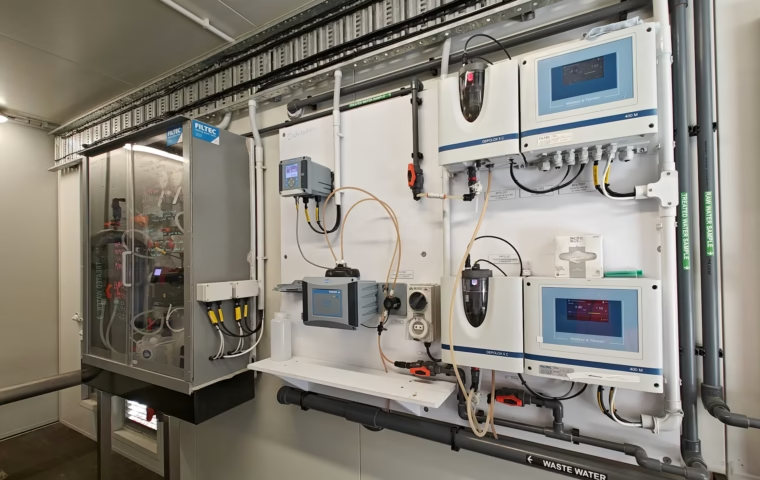
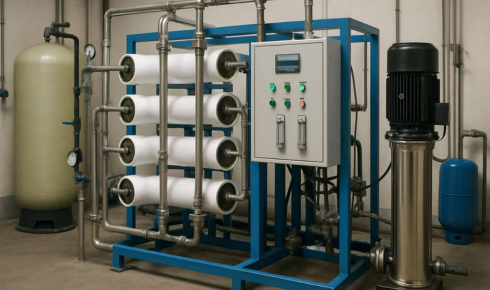
This is where water filtration comes into play. And no, we’re not talking about those dinky under-the-sink setups. Commercial-grade systems are a different breed—engineered for volume, precision, and consistency.
Filtration systems today can handle everything from chlorine and chloramine to lead, bacteria, and sediment. They protect your coffee machines from limescale, your drinking water from odd tastes, and your employees from questionable breakroom water. Not only does this create a better working environment, but it also elevates the perception of your brand. Because let’s face it—no one’s impressed by cloudy water or crunchy ice.
Think of filtration as the first layer of respect: for your team, your tools, and your clients.
Conditioning Isn’t Just for Hair
Now let’s talk minerals. Hard water may be natural, but it’s not harmless. Those calcium and magnesium ions can wreak havoc on pipes, boilers, and anything with a waterline. Enter the unsung hero: water conditioning.
Water conditioning isn’t about removing every single mineral (that’s softening), but rather about treating water to prevent scale buildup and improve efficiency. It’s a practical choice for businesses that rely heavily on plumbing and machinery—think car washes, commercial kitchens, hotels.
With conditioning in place, you’re not only saving on maintenance costs, but also boosting energy efficiency. That boiler or dishwasher? It’ll thank you with fewer repairs and a longer lifespan.
What’s It Really Worth?
Here’s a little math: That $1,500 you spend on a filtration or conditioning system could save you thousands in repairs, replacements, and wasted energy over just a few years. That’s not fluff—it’s a fact supported by countless case studies across industries.
But it’s not just about dollars. It’s about ease. Staff won’t be running for bottled water. Customers won’t notice spots on their glassware. You’ll reduce downtime due to clogged lines or faulty valves. All the little things that make business smoother? They start with water.
Customized Systems, Not Cookie-Cutter Fixes
Every business has its quirks—and so does its water. A bakery in Austin might need different filtration than a salon in Seattle. That’s why the best providers don’t just sell systems. They assess, test, recommend, and tailor.
You don’t have to be a water expert to improve your operation. But working with folks who are? That’s the game-changer.
Look for providers who offer testing, consultations, and ongoing support. Bonus points if they help track ROI or offer flexible upgrades down the line. Because as your business grows, your water demands might too.
Greener Water, Cleaner Brand
Let’s not ignore the sustainability angle here. Customers and clients care about how you operate. Reducing waste, managing resources wisely, and cutting down on energy usage through smart water systems shows you care too.
It’s an easy win. You’re not only optimizing performance—you’re reducing your footprint. That’s a message worth sharing in your next marketing email.
So, Is It Time?
If you’ve read this far, chances are something’s clicked. Maybe your dishwasher’s been acting up. Maybe your team’s been hinting that the tap water tastes off. Maybe you’ve seen one too many water stains in your restroom sinks. Whatever the trigger, it’s worth exploring.
Start with a test. Talk to local providers. Ask questions. You don’t need to overhaul everything overnight. But you do need a plan—and it starts with understanding your water.
Wrapping Things Up
Water might not be glamorous. It doesn’t show up in quarterly reports. It doesn’t get flashy headlines. But behind the scenes? It’s working every hour of every day to keep your business running smoothly.
So give it the attention it deserves. Whether it’s filtration, conditioning, or simply making smarter choices with the resources you have—better water is better business.