Blog

  • Facial Palsy in Suwon: Understanding Symptoms, Causes, and Recovery

    Facial Palsy in Suwon: Understanding Symptoms, Causes, and Recovery

    Facial palsy is a condition that can appear suddenly and without warning. One day facial movements feel normal, and the next, one side of the face may feel weak, stiff, or difficult to control. Simple actions such as smiling, blinking, or speaking clearly can become challenging. Although commonly associated with Bell’s palsy, facial nerve paralysis has multiple causes and requires careful evaluation.

    In Suwon and the Yeongtong district, awareness of facial nerve disorders has increased, particularly as more patients seek early and structured care.

    What Is Facial Nerve Paralysis?

    Facial nerve paralysis occurs when the seventh cranial nerve becomes inflamed or compressed. This nerve controls:

    • Facial expressions
    • Eye closure
    • Taste sensation (partially)
    • Saliva and tear production

    When the nerve is disrupted, common symptoms may include:

    • Drooping on one side of the face
    • Difficulty closing one eye
    • Slurred pronunciation
    • Numbness or heaviness
    • Ear or jaw discomfort
    • Increased sensitivity to sound

    Although some cases resolve naturally, early management significantly improves recovery outcomes.

    Causes Behind Sudden Facial Weakness

    Several factors may contribute to facial palsy:

    1. Viral infections – Often linked to inflammation of the nerve
    2. Immune system imbalance – Lower resistance may increase vulnerability
    3. Stress and fatigue – Long-term stress can weaken the body’s regulatory systems
    4. Exposure to cold wind – In traditional East Asian medicine, this is considered a triggering factor
    5. Circulatory issues – Reduced blood flow may affect nerve function

    Understanding the root cause is essential in determining the appropriate treatment strategy.

    The Perspective of Traditional Korean Medicine

    In Korean medicine, facial palsy is commonly called “구안와사.” Rather than focusing only on nerve inflammation, practitioners assess the body’s overall balance. Diagnosis may consider patterns such as:

    • External wind invasion
    • Qi and blood stagnation
    • Internal deficiency
    • Heat or inflammatory patterns

    This broader evaluation allows treatment to be individualized rather than standardized.

    Those looking for detailed information about facial palsy management in Suwon can refer to 수원구안와사, where clinical approaches to this condition are explained in depth.

    Facial Paralysis in Yeongtong: Why Location-Specific Care Matters

    Access to specialized care close to home can be crucial, especially in the early stages of facial nerve paralysis. Prompt assessment allows practitioners to:

    • Determine severity
    • Monitor nerve response
    • Adjust treatment as symptoms change
    • Prevent long-term asymmetry

    Patients experiencing symptoms in the Yeongtong district often search for reliable information related to 영통안면마비, particularly during the first two weeks when intervention is most important.

    Near Yeongtong Station: Early Evaluation Is Key

    Facial nerve paralysis progresses differently in each individual. Some patients experience mild weakness, while others develop complete paralysis on one side. Early care may help:

    • Reduce inflammation
    • Stimulate nerve activity
    • Support circulation
    • Minimize long-term complications

    For individuals seeking guidance near Yeongtong Station, information regarding 영통역안면신경마비 provides insight into diagnostic and treatment considerations.

    Common Treatment Methods in Korean Medicine Clinics

    While approaches vary depending on individual diagnosis, treatment often includes:

    Acupuncture

    Stimulates specific points to encourage nerve activation and circulation.

    Herbal Medicine

    Customized formulas may support immune regulation and reduce inflammatory responses.

    Pharmacopuncture

    Combines herbal extracts with acupuncture techniques.

    Moxibustion and Heat Therapy

    Used when cold-related factors are involved.

    Facial Rehabilitation Exercises

    Help restore symmetry and prevent muscle stiffness.

    Emotional and Social Impact

    Facial palsy is not purely physical. Many patients report:

    • Reduced self-confidence
    • Anxiety in social interactions
    • Emotional stress
    • Concern about long-term appearance

    Addressing both physical recovery and psychological well-being is an essential part of comprehensive care.

    Recovery Expectations

    Recovery time depends on several factors:

    • Severity at onset
    • Overall health condition
    • Speed of treatment initiation
    • Consistency of follow-up care

    Some individuals recover within weeks, while others may require months of structured therapy and rehabilitation.

    Final Thoughts

    Facial palsy can be sudden and distressing, but informed understanding reduces uncertainty. Early evaluation, personalized treatment, and consistent follow-up significantly influence outcomes. In areas such as Suwon and Yeongtong, access to specialized care ensures that patients receive focused assessment and structured management for facial nerve paralysis.

    Recognizing symptoms early and seeking appropriate guidance can make a meaningful difference in both recovery speed and long-term facial balance.


  • How Trucking Company Policies Can Influence Accident Claims in East Texas

    How Trucking Company Policies Can Influence Accident Claims in East Texas

    When a serious truck accident happens, most people focus on the driver. Was the driver speeding? Distracted? Fatigued?

    But in many East Texas truck crashes, the deeper story goes beyond the individual behind the wheel. Corporate safety policies, hiring decisions, maintenance routines, and delivery expectations can all play a major role in how — and why — a crash occurs.

    For individuals trying to understand the broader legal picture after a collision, consulting an experienced East Texas Truck Accident Attorney can help uncover how company-level decisions may factor into a claim.

    The Pressure Behind the Wheel

    Commercial trucking is deadline-driven. Deliveries are scheduled tightly, routes are optimized for speed, and drivers are often paid by the mile.

    While federal regulations limit driving hours, internal company culture can sometimes influence how those rules are followed. For example:

    • Are drivers encouraged to meet unrealistic delivery windows?
    • Is overtime discouraged even when fatigue is apparent?
    • Are safety complaints taken seriously?

    If corporate expectations prioritize speed over safety, those internal pressures can indirectly increase risk on East Texas highways.

    Hiring and Training Standards Matter

    Trucking companies are responsible for ensuring their drivers are qualified to operate large commercial vehicles.

    This includes:

    • Verifying commercial driver’s licenses (CDLs)
    • Reviewing driving history records
    • Conducting drug and alcohol screenings
    • Providing proper safety training

    If a company hires a driver with a known history of violations or fails to provide adequate training, those decisions can become central to a legal claim after an accident.

    Maintenance Policies and Mechanical Failures

    East Texas roadways see heavy freight traffic tied to agriculture, oilfields, timber, and regional distribution. With constant mileage comes wear and tear.

    Trucking companies must follow routine inspection and maintenance schedules. Failures in areas such as:

    • Brake systems
    • Tire integrity
    • Steering components
    • Trailer couplings

    can lead to catastrophic accidents.

    When maintenance records show skipped inspections or delayed repairs, corporate negligence may become part of the case analysis.

    The Role of Electronic Monitoring Systems

    Modern commercial trucks often contain electronic logging devices and onboard monitoring systems that record:

    • Driving hours
    • Speed
    • Braking patterns
    • Engine performance

    These systems are designed to improve safety and regulatory compliance. However, they also create detailed records that can reveal whether company policies were being followed.

    For example, electronic logs may show:

    • Hours-of-service violations
    • Extended driving without required rest
    • Sudden braking patterns before impact

    Reviewing this data can help determine whether safety standards were upheld.

    Freight Brokers and Third-Party Contractors

    Many trucking operations involve more than one company.

    A shipment may involve:

    • A freight broker arranging transport
    • An independent driver
    • A separate maintenance provider
    • A different company responsible for cargo loading

    When accidents occur, identifying which entity had control over specific aspects of the operation becomes critical. In some cases, liability may extend beyond the trucking company itself.

    Corporate Liability in Texas

    Under Texas law, employers can be held responsible for the actions of employees performed within the scope of their job duties. This legal concept, often referred to as vicarious liability, means companies may be financially accountable for a driver’s negligence.

    Additionally, companies can face direct liability if they:

    • Failed to supervise properly
    • Ignored safety violations
    • Retained unsafe drivers
    • Encouraged policy violations

    Distinguishing between individual negligence and corporate negligence is often a key issue in truck accident cases.

    Why These Factors Matter

    Truck accident claims are rarely simple disputes between two drivers. When commercial vehicles are involved, corporate policies, regulatory compliance, and operational decisions frequently shape the outcome.

    The investigation may extend beyond the crash scene and into company records, safety audits, and internal communications.

    For East Texas drivers sharing the road with commercial vehicles daily, understanding these broader influences provides important context about how serious truck accident cases are evaluated.

    Final Thoughts

    Truck accidents in East Texas are often influenced by more than a single moment of driver error. Hiring standards, safety culture, maintenance practices, and delivery pressures can all play a role in whether a crash occurs.

    By examining corporate-level decisions alongside driver conduct, a clearer picture of responsibility can emerge. In complex commercial vehicle cases, understanding how these elements interact is often essential to determining how accountability is established under Texas law.

  • Why Flexible Validity Gift Cards Are Winning Hearts

    Why Flexible Validity Gift Cards Are Winning Hearts

    For all its convenience, digital gifting has always had one hidden flaw: the pressure of expiry. A gift card is meant to bring joy, yet the moment it arrives, a silent clock begins to tick. Instead of celebrating the gesture, recipients suddenly feel burdened by a deadline, and that emotional weight often overshadows the thought behind the gift.

    In a world where schedules are unpredictable, lifestyles are varied, and people shop in rhythms that rarely match an expiry date, the idea of a time bound gift is beginning to feel outdated. The new expectation is simple. A gift should wait for the recipient, not the other way around.

    How Expiry Driven Gifting Has Been Quietly Hurting the Experience

    The original promise of gift cards was freedom, but strict validity periods turned that promise into an obligation. Many people admit they have forgotten to redeem a gift card, purchased something they did not really want just to avoid losing the value, or felt guilty when a well-meaning gift expired unused.

    Most expiry timelines do not match how people shop today. Purchases are made during festive sales, seasonal moments, or spontaneous decisions driven by mood and convenience. A rigid expiry date forces the recipient into a window that rarely reflects their lifestyle. A thoughtful gift should never feel like a chore.

    Why Flexible Validity Gift Cards Are Becoming the New Preference

    We live in a world where flexibility has become a core expectation. Entertainment, shopping, travel, and payments are consumed on personal timelines. Gifting is evolving the same way.

    People now want gifts they can use when it feels right for them. They want the freedom to wait for a sale season, a special occasion, or simply a moment of inspiration. A gift card that stays relevant until the recipient is ready to use it adds more value than any discount ever could.

    How Gifting Platforms Are Responding to This Shift

    To meet this new expectation, several gifting platforms are rethinking how value should be delivered. yayyy.shop, Paramotor’s curated marketplace of online and offline brand vouchers, focuses on creating a relaxed redemption experience that fits easily into everyday life. Alongside it, platforms like Woohoo and redemption networks such as GyFTR are also expanding catalogues and simplifying the way people redeem their gift cards, reflecting a growing industry-wide movement toward flexibility.

    The direction is clear: gifts that allow people to shop at their own pace feel more aligned with how modern consumers behave. They reflect a world where purchases are made spontaneously, emotionally, and often unpredictably.

    The Psychology Behind Use It When You Want Gifting

    Removing time pressure from a gift instantly changes how it feels. There is no rush, no guilt, and no fear of forgetting. Instead, there is anticipation and choice. Recipients feel in control. They can wait for the right moment, plan a meaningful purchase, or save the gift for a special occasion.

    This simplicity enhances the emotional value of the gift. It remains relevant for longer, and the positive association stays intact.

    The Future of Gifting Is About Freedom, Not Deadlines

    As digital gifting becomes a mainstream habit, the most loved platforms will not be those with the biggest discounts, but those that understand gifting as a gesture, not a transaction.

    Gifts that fit naturally into someone’s life, wait patiently for the right moment, and offer true freedom to choose, are redefining what thoughtful gifting feels like. A stress-free, flexible validity gift card is more than a balance to be redeemed. It is a warm expression that adapts to the recipient’s world and makes the act of gifting feel more human than ever.

  • Transform Your Home: Ground Floor Additions in the Blue Mountains

    Transform Your Home: Ground Floor Additions in the Blue Mountains

    Transforming your home is one of the most exciting — and significant — investments you will ever make. Whether you are adding space for a growing family, modernising an outdated layout, or increasing your property’s market value, professional ground floor additions in Blue Mountains deliver results that genuinely change how you live, work, and enjoy your home every single day.

    This comprehensive guide covers everything you need to know about ground floor additions, from initial planning and architectural design through to construction execution and final handover. For expert guidance tailored specifically to your project, explore ground floor additions in the Blue Mountains and discover how experienced builders can bring your vision to life with quality, transparency, and care.

    Why Ground floor additions in Blue Mountains Are Worth the Investment

    Homeowners across Australia are increasingly choosing to extend and renovate rather than relocate. The reasons are compelling: you keep your established neighbourhood connections, avoid the significant costs of buying and selling property, eliminate the disruption of moving, and gain a home that is tailored precisely to your family’s needs and lifestyle. Ground floor additions offer one of the highest returns on investment in residential construction.

    In Blue Mountains, property values continue to rise steadily, making home improvements a smart financial decision alongside the immediate lifestyle benefits they deliver. A well-designed and professionally executed addition or renovation can add substantial value to your property while providing the extra space, comfort, natural light, and functionality your family needs today and into the future.

    Key Benefits at a Glance

    • Additional Living Space: Whether it is an extra bedroom, a dedicated home office, a larger living area, an additional bathroom, or a self-contained retreat, additional space addresses your family’s immediate practical needs and improves daily quality of life.
    • Increased Property Value: Quality building work consistently increases property values in the Australian market. Well-planned additions and renovations typically deliver strong returns when it comes time to sell, often exceeding the cost of the investment.
    • Modern Design and Functionality: Older homes often have compartmentalised layouts that do not suit contemporary living. Renovations allow you to introduce open-plan designs, improved natural light, better ventilation, and modern amenities.
    • Energy Efficiency: Modern construction materials, insulation standards, and building techniques improve thermal performance significantly, reducing energy costs and environmental impact for decades to come.
    • Avoid Relocation Costs: Stamp duty, agent commissions, legal fees, and moving expenses make relocation an extremely costly proposition. Investing in your current home eliminates these costs entirely while delivering a better outcome.

    Planning Your Project: Getting Started

    Successful building projects begin with thorough planning and clear communication. Rushing into construction without adequate preparation is the single most common cause of budget blowouts, timeline delays, and disappointing outcomes. Taking the time to plan properly saves money, reduces stress, and ensures the final result meets your expectations.

    1. Define Your Goals: Clearly articulate what you want to achieve. More space? Better flow? Modern aesthetics? Improved energy efficiency? A combination? Write it down in detail and prioritise.
    2. Establish Your Budget: Determine a realistic budget that includes a contingency of 10 to 15 per cent for unexpected costs. Be upfront and transparent about your budget with your builder from the outset.
    3. Research Builders: Look for licensed, insured builders with a strong portfolio of completed projects in your area. Request references and, where possible, visit completed projects to assess quality firsthand.
    4. Engage a Designer: A qualified designer or architect translates your goals into plans that maximise space, light, functionality, and aesthetic appeal within your budget constraints.
    5. Understand Council Requirements: Development applications, complying development certificates, and building permits are typically required. Your builder should guide you through the entire approval process.

    Choosing the Right Builder for Your Project

    Your choice of builder is arguably the most important decision in the entire project. A great builder combines technical expertise, transparent communication, meticulous attention to detail, and genuine care for your vision. They manage subcontractors, navigate regulatory requirements, solve problems proactively, and deliver quality workmanship on time and on budget.

    When evaluating builders, consider the following essential criteria:

    • Licensing and Insurance: Verify that the builder holds a current NSW contractor licence and carries comprehensive insurance including home warranty insurance as required by legislation.
    • Portfolio and References: Review completed projects similar in scope and style to yours. Speak with past clients about their experience — both during construction and after handover — to assess reliability and quality.
    • Communication Style: Building projects can span several months. Clear, regular, and honest communication is essential for managing expectations, making timely decisions, and addressing issues promptly.
    • Fixed-Price Contracts: Reputable builders offer detailed, fixed-price contracts that protect you from unexpected cost increases. Be cautious of vague estimates, open-ended pricing, or cost-plus arrangements.
    • Warranty and Aftercare: Quality builders stand behind their work with comprehensive warranties and responsive aftercare support, ensuring any issues that emerge post-completion are addressed promptly.

    Design Considerations for Maximum Impact

    Great design transforms a building project from merely functional to genuinely exceptional and life-enhancing. Whether you are adding a ground floor extension, building up with a second storey, or reconfiguring your existing layout, thoughtful design ensures every square metre works hard for your family and enhances your daily living experience.

    Blue Mountains homes often feature architectural styles and site characteristics that require creative design solutions. Sloping blocks, heritage overlays, setback requirements, overshadowing restrictions, and stormwater management all influence what is possible. An experienced design team navigates these constraints skillfully while maximising your outcomes and aesthetic vision.

    Trending Design Features

    • Open-Plan Living: Connecting kitchen, dining, and living areas creates a sense of spaciousness and encourages family interaction, making your home feel significantly larger than its footprint.
    • Indoor-Outdoor Flow: Bi-fold or sliding doors that open onto an alfresco area blur the boundary between inside and out, effectively extending your living space and connecting you with the natural environment.
    • Natural Light Maximisation: Strategically placed windows, skylights, clerestory windows, and glass features flood your home with natural light, reducing energy costs and improving mental wellbeing.
    • Multi-Purpose Rooms: Home offices, guest rooms, study nooks, and media rooms that serve dual purposes maximise the value and utility of every square metre in your home.

    Understanding the Construction Process

    Knowing what to expect during construction helps manage your expectations and reduces the stress that naturally accompanies a major building project. A typical residential building project follows a structured sequence of phases, each with specific milestones, inspection points, and quality checkpoints.

    From initial demolition and site preparation through to structural framing, lock-up, internal fit-out, and final handover, each phase builds upon the last. Your builder should provide a detailed construction schedule and keep you informed of progress at every stage through regular site meetings, photo updates, and progress reports. Professional builders welcome your involvement and encourage regular communication throughout the process.

    Conclusion: Build the Home You Deserve

    Your home should evolve with your family, adapting to changing needs, growing children, new work arrangements, and evolving lifestyles. Whether you need more space, a modern layout, improved energy efficiency, or simply a fresh start within your existing property, professional ground floor additions in Blue Mountains make it possible without the upheaval and substantial expense of relocation.

    The key to a successful project is choosing the right team — experienced professionals who listen carefully to your vision, plan meticulously, communicate transparently, and deliver quality workmanship that stands the test of time. Your dream home is closer than you think; all it takes is the right partnership and the courage to begin.

  • More Than Just Glass: How the Right Windows Quietly Transform a Home

    More Than Just Glass: How the Right Windows Quietly Transform a Home

    There’s a particular kind of morning light that makes you pause. It spills across the floor, catches the edge of a table, and suddenly the whole room feels warmer — not just in temperature, but in mood. It’s a small thing, really. Just sunlight through a window. But it reminds you how much these overlooked features shape daily life.

    Most of us don’t think about our windows very often. They sit quietly in the background, doing their job without asking for attention. Until, of course, they stop doing it well. Maybe the winter draft becomes impossible to ignore, or condensation starts forming between the panes. Sometimes it’s the rising energy bill that finally makes us look up and wonder — is it time for a change?

    And when people do start thinking about window upgrades, they often discover something surprising: windows aren’t just functional. They influence comfort, aesthetics, and even how a home feels emotionally.

    The Comfort Factor You Don’t Notice — Until You Do

    One of the biggest reasons homeowners consider replacing windows is temperature control. Older windows, especially single-pane models, struggle to keep indoor environments stable. In summer, heat sneaks in. In winter, warmth slips out.

    This is where modern designs make a dramatic difference. Today’s window systems are built with improved insulation, which helps maintain consistent indoor temperatures throughout the year. Double or triple glazing, advanced frame materials, and specialized coatings all work together to reduce heat transfer.

    The result isn’t just lower energy bills — though that’s certainly a nice bonus. It’s a home that feels more comfortable day to day. Rooms stay warmer during cold nights, cooler during hot afternoons, and far less affected by outdoor weather swings.

    And perhaps just as important, improved insulation reduces outside noise. Traffic sounds, neighborhood chatter, even strong winds become softer, creating a more peaceful indoor atmosphere.

    When Function Meets Personal Style

    While comfort is essential, many homeowners quickly realize that replacing windows is also an opportunity to personalize their living spaces.

    Every home has its own character. A sleek modern house might look best with large, minimalist window frames, while a traditional home might benefit from classic divided panes or decorative grilles. This is why many people explore custom window options when planning an upgrade.

    Customization allows homeowners to choose frame colors, materials, shapes, and opening styles that align with both aesthetic preferences and practical needs. Some prefer expansive picture windows that maximize natural light, while others prioritize ventilation with sliding or casement designs.

    The beauty of customization lies in flexibility. Instead of settling for standard sizes or generic styles, homeowners can create windows that feel tailored to their space — almost like they were always meant to be there.

    And when windows align with a home’s architecture, they don’t just serve a purpose. They enhance the overall harmony of the design.

    The Subtle Power of First Impressions

    There’s something interesting about how people perceive homes. Often, the first impression isn’t about the size of the house or the landscaping — it’s about balance and visual appeal.

    Windows play a surprisingly large role in this. They influence symmetry, proportion, and how welcoming a home looks from the street. Upgrading outdated or mismatched windows can instantly create a more polished exterior.

    This is why many homeowners consider window replacements as a way to achieve enhanced curb appeal. Fresh frames, modern styles, and cohesive designs can transform how a house is perceived without requiring a full renovation.

    Real estate professionals often note that updated windows can significantly improve property value. Potential buyers see them as signs of good maintenance, energy efficiency, and modern living standards.

    But even for those not planning to sell, there’s a quiet satisfaction in driving up to a home that looks fresh, cared for, and visually balanced.

    Energy Savings That Add Up Over Time

    One of the most practical benefits of modern windows is long-term cost savings.

    Heating and cooling systems account for a significant portion of household energy use. Poorly insulated windows force these systems to work harder, which leads to higher utility bills.

    High-performance windows reduce this energy loss. Over time, the savings can offset a substantial portion of the initial investment.

    And there’s an environmental aspect, too. Lower energy consumption means a smaller carbon footprint — something many homeowners value more today than ever before.

    Installation: The Detail That Makes Everything Work

    Even the best window on the market can fail if it’s installed improperly. This is an aspect many homeowners underestimate.

    Proper installation ensures airtight sealing, accurate alignment, and structural stability. Without these elements, issues like drafts, leaks, or operational difficulties can arise quickly.

    Experienced installers understand how to account for building movement, weather exposure, and material expansion. Their expertise helps ensure windows perform as intended for decades.

    Maintenance and Longevity

    Modern windows are designed to require minimal upkeep. Many feature durable materials that resist fading, warping, and corrosion.

    Routine cleaning and occasional inspections are usually enough to keep them functioning smoothly. Compared to older window systems, maintenance demands are significantly lower.

    This combination of durability and ease of care contributes to their long-term value.

    A Quiet Investment in Everyday Living

    Replacing windows may not feel as exciting as remodeling a kitchen or updating a living room. But its impact is often more profound.

    New windows influence comfort, lighting, energy efficiency, and aesthetics all at once. They quietly improve daily life in ways that become noticeable only after the change is made.

    It’s not dramatic or flashy. It’s subtle, steady, and lasting — like the soft morning light that first reminds us why windows matter so much.

    And in the end, that quiet transformation is what makes the investment truly worthwhile.

  • Tips Cerdas Memilih Slot Online Agar Pengalaman Bermain Lebih Nyaman

    Tips Cerdas Memilih Slot Online Agar Pengalaman Bermain Lebih Nyaman

    Slot online menjadi salah satu hiburan digital yang paling diminati karena mudah dimainkan dan memiliki banyak variasi permainan. Dengan ratusan pilihan game yang tersedia, pemain perlu mengetahui cara memilih game slot demo gacor yang tepat agar pengalaman bermain menjadi lebih nyaman dan tidak membingungkan.Apa Itu Slot Online?

    Slot online adalah permainan berbasis gulungan (reels) yang menampilkan berbagai simbol. Pemain hanya perlu menekan tombol spin untuk memutar gulungan, lalu menunggu kombinasi simbol yang muncul. Jika simbol tersebut sesuai dengan garis pembayaran (payline), maka hasil akan diberikan sesuai aturan permainan.

    Permainan ini menggunakan sistem RNG (Random Number Generator) yang memastikan setiap hasil bersifat acak.Kenapa Penting Memilih Game Slot?

    Tidak semua game slot memberikan pengalaman yang sama. Ada slot dengan fitur sederhana, ada juga yang memiliki banyak bonus dan mekanisme kompleks. Dengan memilih game yang tepat, pemain bisa menikmati permainan dengan lebih fokus dan memahami fitur yang tersedia.

    Selain itu, pemilihan game yang sesuai juga membantu pemain, terutama pemula, untuk belajar dengan lebih cepat.Tips Memilih Game Slot Online

    Berikut beberapa tips yang bisa Anda gunakan untuk memilih game slot yang tepat:1. Perhatikan RTP (Return to Player)

    RTP adalah persentase pengembalian dalam jangka panjang. Slot dengan RTP yang jelas dan sesuai biasanya lebih mudah dipahami karakter permainannya.2. Kenali Volatilitas

    Volatilitas menentukan tingkat risiko permainan:

    • Rendah: hasil lebih sering muncul
    • Tinggi: hasil lebih besar tetapi jarang

    Pilih sesuai dengan kenyamanan Anda.3. Pilih Tema yang Disukai

    Tema slot sangat beragam, mulai dari petualangan, mitologi, hingga fantasi. Memilih tema favorit akan membuat Anda lebih menikmati permainan.4. Cek Fitur Permainan

    Slot modern memiliki fitur seperti free spin, multiplier, wild, dan sctter. Fitur ini memberikan variasi dalam permainan.5. Coba Versi Demo

    Gunakan versi demo untuk memahami gameplay sebelum bermain lebih lanjut. Ini membantu Anda menghindari kebingungan.6. Perhatikan Tampilan dan Navigasi

    Slot dengan tampilan sederhana dan navigasi mudah akan lebih nyaman dimainkan.Ciri-Ciri Game Slot yang Baik

    Game slot yang baik biasanya memiliki:

    • RTP yang transparan
    • Fitur bonus yang menarik
    • Gameplay yang lancar
    • Grafis berkualitas
    • Mudah dipahami oleh pemain

    Dengan memperhatikan ciri ini, Anda bisa memilih game yang tepat.Tips Tambahan untuk Pemula

    Agar pengalaman bermain lebih maksimal:

    • Mulai dengan taruhan kecil
    • Fokus pada satu game terlebih dahulu
    • Pelajari paytable sebelum bermain
    • Bermain dalam kondisi santai
    • Jangan terburu-buru

    Kesalahan yang Harus Dihindari

    Beberapa kesalahan umum yang sering terjadi:

    • Memilih game tanpa memahami aturan
    • Terlalu sering mengganti slot
    • Tidak mencoba versi demo
    • Mengabaikan fitur bonus
    • Bermain tanpa kontrol

    Kesimpulan

    Slot online dan tips memilih game sangat penting untuk dipahami agar pengalaman bermain menjadi lebih nyaman. Dengan memperhatikan RTP, volatilitas, tema, dan fitur permainan, Anda bisa menemukan game slot yang sesuai.

    Slot online adalah hiburan yang sederhana namun menarik. Dengan memilih game yang tepat, Anda bisa menikmati permainan dengan lebih maksimal dan tanpa kebingungan.

  • The Link Between Garage Door Maintenance and Home Security

    The Link Between Garage Door Maintenance and Home Security

    Your garage door is more than just a functional part of your home. It’s an essential element in the overall security of your property. A properly maintained garage door ensures that it operates smoothly and securely, while a neglected door can leave your home vulnerable to break-ins. Many homeowners don’t realize how much garage door maintenance directly impacts the safety and security of their property. In this article, we’ll explore the critical link between garage door maintenance and home security and provide helpful tips on how to keep your garage door functioning safely and efficiently.

    How a Faulty Garage Door Can Compromise Home Security

    A malfunctioning garage door can create a significant security risk. Many burglars target garage doors because they offer an easy access point to the home. If your garage door is not functioning properly, whether it’s because of a broken spring, misaligned tracks, or a malfunctioning opener, it could become easier for an intruder to gain entry.

    For example, if your garage door does not close completely or becomes stuck, an intruder could easily gain access to your garage or even your home. If the door opener is outdated or not securely programmed, it could potentially be hacked or used to gain unauthorized access. These risks highlight the importance of regular garage door maintenance to keep your home secure.

    The Importance of Regular Inspections and Maintenance

    One of the best ways to prevent security risks associated with a faulty garage door is to schedule regular maintenance and inspections. A professional technician can thoroughly inspect the entire system, checking for any wear and tear, malfunctions, or potential security vulnerabilities. Regular maintenance helps ensure that the door operates smoothly and securely, reducing the likelihood of problems that could affect home security.

    Garage door components such as the opener, springs, cables, and tracks are under constant pressure during operation. Over time, these parts can wear out and fail, compromising the door’s functionality and security. Having a professional inspect and service these components ensures that any potential issues are addressed before they become serious security risks.

    Garage Door Sensors and Their Role in Home Security

    Modern garage doors come equipped with safety sensors that play a vital role in home security. These sensors are designed to prevent accidents by detecting obstacles and stopping the door from closing if anything is in its path. However, these sensors also serve a more important security function: they help to ensure the door is completely closed when not in use.

    If the sensors are misaligned or malfunctioning, the garage door may not close all the way, leaving the garage and home vulnerable to entry. Regular maintenance helps to ensure that the sensors are working correctly, so your garage door fully closes each time. If you notice any issues with your sensors, it’s important to get them repaired right away to prevent any security breaches.

    Keeping the Garage Door Opener Secure

    Your garage door opener is an essential part of your home’s security system. Many modern garage door openers are equipped with rolling code technology, which changes the code used to open and close the door every time it is used, making it much harder for hackers to gain access. However, older openers may lack this technology, leaving them vulnerable to hacking or being bypassed by intruders.

    If you have an older garage door opener, consider upgrading to a newer model with enhanced security features. It’s also essential to ensure that your remote control is kept secure and not left in a vehicle or an easily accessible place. A simple precaution like keeping the remote out of sight can prevent potential security threats.

    The Role of Garage Doors in Preventing Break-Ins

    A garage door can act as a critical line of defense against break-ins, but it needs to be properly maintained to function as such. Ensuring that your door is equipped with quality locks, reinforced security features, and a working opener can prevent unwanted access to your property.

    To enhance the security of your garage, consider adding extra locks or deadbolts, or installing a smart security system that integrates with your garage door. With advancements in home automation, you can also control your garage door remotely through your smartphone. This added layer of security gives you peace of mind, as you can check the status of your door and even close it remotely if you forget to secure it.

    What to Do if You Notice Security Issues with Your Garage Door

    If you notice any signs that your garage door may be malfunctioning or not securing properly, it’s important to address the issue as soon as possible. Some common signs that your garage door may have security issues include:

    • The door doesn’t close all the way or stays partially open.
    • The door opener is making strange noises or operating erratically.
    • The door moves slowly or gets stuck during operation.
    • The sensors are misaligned or not functioning properly.

    If you notice any of these issues, it’s crucial to get in touch with a professional garage door service provider who can diagnose and repair the problem. Regular maintenance and prompt repairs can help prevent these issues from compromising your home’s security.

    For more insight into how garage doors can enhance home security and to see how professionals handle such repairs, Take A Look At Their Projects.

    Key Takeaways

    Garage door maintenance is essential to ensuring the security of your home. A properly maintained garage door prevents intruders from easily gaining access to your home and protects your family and belongings. Regular inspections, sensor checks, and maintaining a secure garage door opener are key components of a comprehensive home security strategy.

    Don’t wait for a problem to arise—schedule regular maintenance for your garage door to keep it functioning smoothly and securely. If you notice any signs of malfunction, such as a door that doesn’t close properly or sensors that aren’t working, it’s essential to address these issues promptly to avoid compromising your home’s security.

    By maintaining your garage door and ensuring it operates safely, you can enhance your home’s security and protect your property from potential break-ins.

  • CANCER Symptoms and Causes: How to Spot Red Flags Early and Understand Why Cancer Starts

    CANCER Symptoms and Causes: How to Spot Red Flags Early and Understand Why Cancer Starts

    Cancer can be difficult to detect early because many symptoms look like everyday health issues—fatigue, a lingering cough, bloating, or changes in appetite. The key difference is persistence, progression, and pattern. When symptoms don’t improve, keep returning, or gradually worsen, they deserve medical attention.

    At Liv Hospital, we encourage patients to think of cancer awareness as pattern recognition: noticing what’s unusual for your body, what’s lasting longer than expected, and what doesn’t fit a simple explanation.

    This guide explains the most important cancer warning signs, why they happen, and the common causes and risk factors behind cancer development.

    The “Rule of Persistence”: When a Symptom Becomes a Warning Sign

    Many cancer-related symptoms aren’t unique—what makes them concerning is duration and lack of response to normal treatment.

    A practical approach is the 2–3 week check:

    • If a symptom lasts more than 2–3 weeks
    • OR repeatedly returns in the same way
    • OR worsens steadily
      …it’s time to seek evaluation.

    This doesn’t mean the symptom is definitely cancer—but it means it shouldn’t be ignored.

    For Liv’s full guide on this topic, visit CANCER Symptoms and Causes.

    Common Cancer Symptoms: The Most Important Red Flags to Know1) Unexplained weight loss

    Losing noticeable weight without trying can be a warning sign, especially if appetite hasn’t changed much. In some cancers, the body’s metabolism shifts, muscle breakdown increases, and inflammation alters how the body uses calories.

    Watch for: weight loss with fatigue, appetite changes, or digestive issues.

    2) Persistent fatigue (not “normal tiredness”)

    Cancer-related fatigue often feels like deep exhaustion that doesn’t improve with rest. It may be linked to inflammation, anemia, nutrient depletion, or ongoing immune activity in the body.

    Watch for: fatigue plus breathlessness, paleness, dizziness, or weakness.

    3) Ongoing fever or night sweats

    A fever that keeps returning, or night sweats that soak clothing or bedding, can be a clue that the immune system is under unusual stress.

    Watch for: fever without infection symptoms, swollen lymph nodes, or unexplained weight loss.

    4) Unusual bleeding or bruising

    Bleeding can signal irritation, inflammation, or abnormal tissue changes. Examples include blood in stool, urine, phlegm, or unexpected vaginal bleeding.

    Watch for: bleeding that repeats, worsens, or comes with pain and fatigue.

    5) A lump, swelling, or persistent pain in one area

    A new lump isn’t always dangerous, but it should be checked—especially if it grows, feels hard, or doesn’t go away. Persistent pain can also be important when it has no injury-related explanation.

    Watch for: lumps in breast/neck/armpit/groin, or pain that steadily increases.

    6) Changes in bowel or bladder habits

    A long-term change in stool shape, frequency, or blood presence should be evaluated. The same goes for urinary symptoms that persist.

    Watch for: ongoing constipation/diarrhea, narrow stools, persistent urgency, or blood.

    7) A cough or hoarseness that won’t resolve

    A cough lasting weeks or a voice change that doesn’t improve can be related to irritation, inflammation, or growth affecting airway structures.

    Watch for: cough with blood, breathlessness, chest pain, or wheeze.

    8) Skin changes that are new or evolving

    Skin can reflect internal health and also be the site of skin cancers. Any mole or patch that changes in shape, color, or bleeding pattern deserves attention.

    Watch for: changing moles, non-healing sores, or unusual yellowing of skin/eyes.

    Why Cancer Starts: The Core Biological Causes (Simple Explanation)

    Cancer begins when cells acquire DNA damage that disrupts normal growth control. Normally, the body has repair systems that fix damage or remove abnormal cells. Cancer develops when damage accumulates faster than the body can repair or eliminate it.

    Think of it as a system with two controls:

    • Growth signals (cells told to divide)
    • Stop signals (cells told to slow down or die)

    When damage disrupts these controls, cells can divide too much, survive too long, and form tumors.

    Major Causes and Risk Factors: What Increases Cancer Risk?Lifestyle and environmental factors

    Some risk factors increase DNA damage or long-term inflammation, which can raise cancer risk over time:

    • Tobacco exposure (including passive smoke)
    • Excess alcohol intake
    • Long-term UV exposure
    • Obesity and metabolic issues
    • Chronic inflammation and poor diet patterns

    Infections linked to cancer

    Some infections can increase risk by creating long-term inflammation or directly altering cells, such as:

    • HPV (linked with cervical and other cancers)
    • Hepatitis B/C (linked with liver cancer)
    • H. pylori (linked with stomach cancer in some cases)

    Inherited (genetic) factors

    A smaller percentage of cancers are linked to inherited mutations. People with strong family histories may need earlier or more frequent screening.

    What You Can Do Today: A Smart “Prevention + Screening” Mindset

    Even if you can’t change genetics or age, you can take meaningful action by focusing on:

    • Stopping tobacco exposure
    • Maintaining a healthy weight and activity routine
    • Sun protection
    • Vaccination and infection prevention
    • Routine, age-appropriate screening
    • Early evaluation of persistent symptoms

    Living With Awareness, Not Fear

    Cancer symptom awareness shouldn’t create panic—it should create clarity. The goal is to notice patterns early, act sooner, and avoid delay when something feels “off.” A calm, proactive approach is often the most powerful protection.

    For supportive lifestyle guidance that complements health awareness (and only as a final note), you can also explore live and feel.

  • California’s Cannabis History – From Prohibition to Legal Innovation

    California’s Cannabis History – From Prohibition to Legal Innovation

    California’s relationship with cannabis spans over a century of cultural shifts, legal battles, and social movements. From early prohibition through counterculture rebellion, medical legalization, and finally adult-use legalization, California shaped—and continues shaping—America’s cannabis landscape.

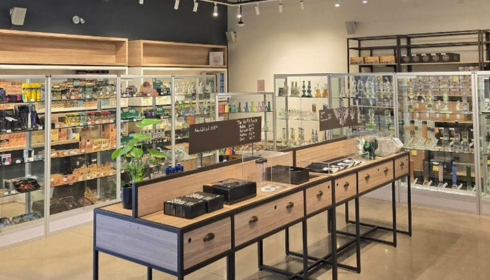
    Understanding this history provides context for current industry dynamics and illuminates how the state’s decisions influence national cannabis policy. The California story is ultimately America’s cannabis story writ large, with every dispensary in California being a part of it.

    Cannabis arrived in California via multiple pathways. Mexican immigrants brought cannabis traditions northward, while sailors from Southeast Asia introduced varieties from their homelands. During the early 20th century, cannabis use remained relatively uncommon and largely unrestricted until xenophobic attitudes, particularly toward Mexican immigrants, fueled prohibition efforts. California criminalized cannabis in 1913, preceding federal prohibition by decades. This early prohibition reflected broader patterns of drug laws targeting minority communities rather than addressing genuine public health concerns.

    The 1960s counterculture movement embraced cannabis as a symbol of rebellion against establishment values. San Francisco’s Haight-Ashbury district became synonymous with hippie culture, psychedelic experiences, and cannabis use. This visible countercultural adoption increased cannabis’s political profile while strengthening associations between cannabis and anti-establishment movements. 

    The war on drugs launched in the 1970s doubled down on prohibition, intensifying enforcement and incarceration for cannabis offenses that disproportionately impacted communities of color.

    California’s medical cannabis movement began with grassroots activism driven by AIDS patients seeking relief from wasting syndrome and treatment side effects. These activists, many facing terminal diagnoses, courageously challenged prohibition by openly using and advocating for cannabis despite legal risks. 

    Their efforts culminated in Proposition 215, passed by California voters in 1996, establishing the nation’s first comprehensive medical marijuana program. This landmark law allowed patients with physician recommendations to possess and cultivate cannabis for medical purposes.

    Proposition 215 created legal gray areas that entrepreneurs and activists navigated creatively. Dispensaries emerged to provide patient access, operating in uncertain legal territory between state permission and federal prohibition.

    The Bay Area, particularly San Francisco and Oakland, became early dispensary hubs. Operators faced constant uncertainty—federal raids threatened businesses even when complying with state law. These pioneering dispensaries, including BASA founded in 2003, established operational models that continue influencing the industry today.

    The medical era from 1996-2016 saw California’s cannabis industry mature significantly despite ongoing federal conflicts. Dispensaries proliferated across the state, though distribution remained uneven as local governments retained control over whether to allow cannabis businesses. Cultivation expanded from small-scale personal grows to larger commercial operations supplying the medical market. Product innovation accelerated, with concentrates, edibles, and topicals becoming readily available alongside traditional flower.

    California’s medical program operated largely without robust regulation for its first two decades. The 2003 Senate Bill 420 attempted to standardize the program but left substantial ambiguity. This lax regulatory environment allowed the industry to develop organically but also enabled problems including diversion to illicit markets, environmental damage from cultivation, and inconsistent product quality. These issues became ammunition for legalization opponents arguing that California’s medical program demonstrated regulatory failure.

    Adult-use legalization arrived via Proposition 64 in November 2016, with recreational sales beginning January 2018. The lengthy implementation period allowed regulatory framework development through the Bureau of Cannabis Control and other agencies. Proposition 64 promised strict regulation, environmental protections, social equity programs, and substantial tax revenue. Early implementation proved challenging, with high taxes, complex regulations, and limited retail access creating obstacles for licensed businesses while illicit markets persisted.

    California’s cannabis industry structure reflects its unique geography and political landscape. The state hosts thousands of licensed businesses across all market segments—cultivation, manufacturing, distribution, testing, and retail. Northern California’s Emerald Triangle region (Humboldt, Mendocino, and Trinity counties) remains renowned for cannabis cultivation, though large commercial grows now exist throughout agricultural regions. 

    Los Angeles County contains more dispensaries than any other county, while San Francisco and Oakland maintain concentrations of legacy dispensaries with pre-legalization histories.

    Social equity remains a central challenge and priority. Communities most harmed by prohibition—primarily Black and Latino neighborhoods—were promised pathways to participate in the legal industry. Social equity programs offer licensing priorities, fee waivers, and technical assistance to applicants from affected communities. However, implementation has been uneven, with many equity applicants struggling to overcome capital barriers, navigate complex regulations, and compete with well-funded corporate operators. The promise of restorative justice through equitable industry participation remains partially unfulfilled.

    California’s cannabis industry faces ongoing challenges including oversupply that has crashed prices, high tax rates that make legal products more expensive than illicit alternatives, and banking limitations stemming from federal prohibition. Many licensed businesses struggle financially despite market growth, and numerous operators have closed or consolidated. The industry continues pushing for tax relief, regulatory streamlining, and federal policy changes that would improve operational conditions.

    Cannabis tourism has become a significant economic factor in certain California regions. Visitors travel to experience the state’s cannabis culture, visit famous cultivation regions, and purchase products unavailable in their home jurisdictions. This tourism brings economic benefits beyond direct cannabis sales, supporting hospitality, entertainment, and service industries. Some regions actively cultivate cannabis tourism identities similar to wine country branding.

    Looking forward, California’s cannabis industry faces important crossroads. Will consolidation continue, with large corporations dominating, or will craft producers and independent businesses survive? Will social equity programs succeed in creating meaningful opportunities for affected communities? Can the licensed market compete effectively with illicit operators? How will federal policy changes affect California’s established industry? These questions will determine whether California’s experiment with legal cannabis achieves its stated goals of public health, social justice, and economic opportunity.

    California’s influence extends far beyond state borders. Policy innovations pioneered in California inform other states’ legalization efforts. Product and brand innovations developed in California spread nationwide. Legal challenges and court decisions in California create precedents affecting cannabis law nationally. As the largest and most established state cannabis market, California’s successes and failures offer lessons for the entire nation.

    California’s cannabis history continues being written. Each challenge overcome, innovation achieved, and milestone reached adds to the ongoing narrative. As California’s cannabis industry matures, it carries lessons from prohibition, inspiration from activism, and hope that legal, regulated cannabis can achieve its promise of improving public health, addressing social injustice, and creating economic opportunity. 

    The state that led America toward cannabis legalization continues blazing trails, demonstrating both the possibilities and challenges of transforming illegal cannabis markets into legal, regulated industries serving consumers and communities alike.

  • Service Dog Training for Emotional Support Building a Calm, Confident Companion

    Service Dog Training for Emotional Support Building a Calm, Confident Companion

    Having a dog trained for emotional support can dramatically improve daily life, providing comfort, stability, and companionship when it is needed most. Service dog training for emotional support focuses on equipping dogs with the skills and behaviors necessary to support emotional well-being while remaining calm and reliable in various environments. Rob’s Dog Training offers expert guidance and hands-on programs to help create a respectful, well-mannered partnership between handler and dog. Understanding the key principles, techniques, and expectations of training can help ensure both the dog and handler thrive together.

    Understanding Emotional Support Dogs

    Emotional support dogs (ESDs) provide comfort and companionship to individuals dealing with mental health challenges, anxiety, depression, or other emotional conditions. Unlike service dogs trained to perform specific tasks for disabilities, emotional support dogs focus on providing emotional stability and reassurance. Despite not having the same legal public access rights as service dogs, these companions are invaluable in creating a sense of security at home and in permitted environments.

    The foundation of effective emotional support lies in consistency, trust, and communication. Dogs respond best to clear signals and predictable routines, which helps them become reliable companions. By focusing on behavior, obedience, and appropriate social interactions, a well-trained emotional support dog can seamlessly integrate into daily life.

    Key Skills Every Emotional Support Dog Should Have

    Training an emotional support dog involves teaching behaviors that promote calmness, attentiveness, and social comfort. Here are essential skills that form the backbone of effective service dog training for emotional support:

    1. Basic Obedience
      Mastering commands such as sit, stay, down, come, and leave it is crucial. A dog that responds consistently to these commands is easier to manage in stressful situations and can remain calm when needed.
    2. Desensitization to Triggers
      Exposure to different environments, sounds, and experiences helps dogs learn to remain composed when unexpected situations arise. Controlled exposure gradually reduces fear, overexcitement, or anxiety, allowing the dog to provide steady emotional support.
    3. Focus and Attention
      Teaching a dog to maintain focus on its handler helps prevent distractions from interfering with the calming presence that emotional support dogs provide. Eye contact, gentle nudges, or responding to specific cues reinforce attention and connection.
    4. Calmness on Leash
      Walking politely on a leash without pulling, barking, or lunging ensures comfort for both handler and dog. Leash manners are vital, especially when navigating crowded spaces or unfamiliar environments.
    5. Appropriate Greeting Behavior
      Dogs should greet people calmly, avoiding jumping or excessive excitement. Friendly but controlled social behavior reduces stress for the handler and ensures positive interactions in public or at home.
    6. Settling Techniques
      Learning how to lie down or stay in a designated spot calmly can prevent overstimulation and provide a sense of structure and security for both dog and handler.

    Choosing the Right Approach to Training

    Not every training program suits every dog. Factors like age, temperament, breed, and handler experience all influence the training process. Rob’s Dog Training emphasizes personalized programs designed to meet the needs of each dog and handler pair. A flexible approach ensures that training remains effective while respecting the dog’s natural personality and learning style.

    Training often combines positive reinforcement methods, structured routines, and gradual exposure to real-life situations. Positive reinforcement encourages desired behaviors through praise, treats, or gentle rewards, fostering a strong bond between dog and handler. Gradual exposure to triggers, coupled with practice and reinforcement, allows the dog to remain calm in a variety of contexts without feeling overwhelmed.

    The Role of Documentation and Legal Considerations

    While emotional support dogs do not require the same certification as service dogs, proper documentation is essential for housing or travel accommodations. A letter from a licensed mental health professional verifies the need for an emotional support animal, helping ensure compliance with relevant regulations.

    Proper documentation, combined with responsible training, ensures that the emotional support dog can effectively support the handler while maintaining respectful behavior in shared spaces. Training focuses not only on obedience but also on fostering appropriate manners, socialization, and emotional reliability.

    Benefits of a Well-Trained Emotional Support Dog

    The advantages of service dog training for emotional support extend far beyond companionship. 

    A trained emotional support dog can:

    • Reduce Stress and Anxiety: Calm presence and predictable behaviors provide reassurance in difficult moments.
    • Improve Emotional Stability: Consistent routines and responsive interactions help maintain emotional balance.
    • Encourage Social Engagement: Proper socialization allows handlers to participate more comfortably in public settings.
    • Enhance Daily Routines: Trained behaviors make daily life smoother, from walks to household activities.
    • Build Mutual Trust: Structured training strengthens the bond between dog and handler, creating a sense of safety and support.

    How Training Programs Work

    Training programs at Rob’s Dog Training are designed to meet individual goals. 

    Sessions may include a combination of:

    • Board and Train: Dogs stay at the training facility for immersive learning, focusing on obedience, manners, and emotional support behaviors.
    • Private Lessons: Personalized one-on-one sessions with handlers provide instruction and guidance tailored to the dog’s unique temperament.
    • Behavioral Assessments: Evaluating a dog’s behavior and stress responses allows for customized training plans that address specific needs and challenges.
    • Ongoing Support: Guidance continues beyond initial sessions, ensuring the dog maintains skills and adapts to changing environments or routines.

    Tips for Maintaining Progress

    Even after formal training, maintaining a well-behaved and emotionally supportive dog requires ongoing practice and consistency:

    1. Daily Practice: Incorporate obedience commands, calming exercises, and social interactions into daily routines.
    2. Consistent Boundaries: Reinforce rules and expectations consistently to prevent confusion or regression.
    3. Positive Reinforcement: Reward calm, attentive, and appropriate behavior regularly.
    4. Monitor Stress Levels: Recognize signs of anxiety or overstimulation and provide breaks when necessary.
    5. Regular Socialization: Continue controlled exposure to new people, pets, and environments to strengthen confidence.

    Choosing the Right Trainer

    Selecting a trainer with experience in emotional support and service dog behaviors is critical. Look for programs that emphasize positive reinforcement, individualized plans, and real-world application. Trainers should provide clear guidance for both handler and dog, helping build confidence, reliability, and a strong bond.

    Rob’s Dog Training specializes in creating calm, well-mannered emotional support dogs that fit seamlessly into daily life. Expert trainers work closely with handlers to ensure that skills are practical, sustainable, and beneficial for emotional well-being.

    Creating a Strong Handler-Dog Relationship

    The bond between a handler and an emotional support dog is central to success. Training focuses not just on teaching commands but also on developing trust, communication, and empathy. A strong partnership enhances the dog’s ability to recognize emotional cues and respond appropriately, providing reassurance exactly when it is needed.

    The Long-Term Value of Training

    Investing in service dog training for emotional support pays off in long-term benefits. A well-trained dog provides dependable companionship, improves quality of life, and supports mental and emotional health. Handlers can navigate daily challenges with confidence, knowing their dog is prepared to offer comfort and stability.

    Conclusion

    Service dog training for emotional support, guided by ensures that both handler and dog are equipped for a calm, respectful, and rewarding partnership. By focusing on obedience, socialization, and emotional reliability, training creates a dependable companion that can help reduce stress, foster emotional well-being, and provide consistent support. Investing in thoughtful, structured training allows the bond between dog and handler to flourish, ensuring a lifetime of comfort and companionship from Rob’s Dog Training.