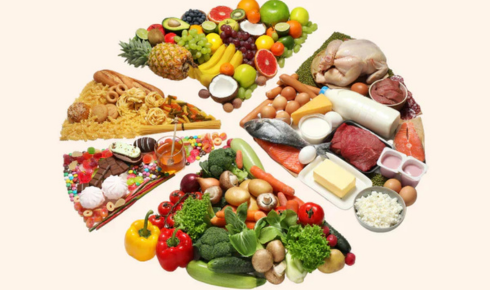
We often think of hair restoration as a purely external process: a surgeon moves follicles, you wash your scalp, and you wait. However, the biological reality is that your hair is built from the inside out. A hair transplant places the “seeds” (the grafts) into the scalp, but your body provides the “soil.” If that soil is nutrient-poor, even the most expertly placed grafts will struggle to thrive. Post-operative nutrition is a critical, yet often overlooked, component of a successful result.
When you undergo a hair transplantation, your body enters a state of high metabolic demand. It needs to repair thousands of tiny incisions, build new blood vessels (angiogenesis), and produce new keratin (hair protein). This requires a surplus of energy and specific building blocks. Ignoring your diet during this recovery phase can lead to slow healing, increased shock loss, and finer, weaker hair growth.
Protein: The Building Block of Hair
Hair is composed almost entirely of a tough, fibrous protein called keratin. Therefore, protein is the non-negotiable foundation of your post-transplant diet. If you are not consuming enough protein, your body will prioritize vital organs over hair growth, shifting hair follicles into the resting phase (telogen).
To support the massive regeneration required after surgery, aim to include a high-quality protein source at every meal. Lean meats like chicken and turkey, fish (rich in omega-3s), eggs, and legumes are excellent choices. For vegetarians and vegans, ensuring a complete amino acid profile through combinations of beans, lentils, quinoa, and soy is essential.
Iron and Zinc: The Oxygen Carriers
Blood flow is everything for a new graft. The tiny blood vessels that reconnect to the follicle need to deliver oxygen efficiently. Iron is the mineral that allows your red blood cells to carry oxygen. Iron deficiency (anemia) is a leading cause of hair loss in women and can severely hamper the growth of transplanted hair. Red meat, spinach, lentils, and fortified cereals are great iron boosters. To maximize absorption, pair iron-rich foods with Vitamin C (like a glass of orange juice or a side of peppers).
Zinc is another powerhouse mineral. It plays a vital role in tissue repair and cell division—two processes that are in overdrive after surgery. A zinc deficiency can lead to the deterioration of the protein structure that makes up the hair follicle. Oysters are the most potent source of zinc, but beef, pumpkin seeds, and chickpeas are more accessible daily options.
Vitamins for Vitality: A, C, E, and Biotin
- Vitamin A: Essential for the production of sebum, the natural oil that moisturizes the scalp and keeps hair healthy. Sweet potatoes, carrots, and spinach are loaded with beta-carotene, which the body converts to Vitamin A.
- Vitamin C: Beyond boosting immunity, Vitamin C is crucial for collagen production. Collagen is the connective tissue that holds the skin together and seals the incisions around the grafts. Citrus fruits, strawberries, and bell peppers should be staples in your recovery diet.
- Vitamin E: A powerful antioxidant that improves blood circulation and oxygen uptake. Almonds, sunflower seeds, and avocados are rich in Vitamin E and help protect the scalp from oxidative stress.
- Biotin (Vitamin B7): Often marketed as the “hair growth vitamin,” Biotin helps produce keratin. While rare, a deficiency can cause brittle hair. Eggs, nuts, and whole grains are natural sources. Many clinics, includingGold City, recommend a Biotin supplement for the first 6 months to ensure optimal levels.
Hydration: The Unsung Hero
Water is the medium in which all cellular repair takes place. A dehydrated body has dry, tight skin that heals slowly and is prone to scabbing. Scabs that linger too long can block new hair growth. Aim for at least 2-3 liters of water a day. Avoid excessive alcohol and caffeine, as they are diuretics that can dehydrate you and leach vital nutrients from your system.
Foods to Avoid
Just as some foods heal, others harm. Processed sugars and fast food cause inflammation in the body. Systemic inflammation can disrupt the blood supply to the scalp and prolong the redness and swelling after surgery. Highly salty foods should also be restricted, as sodium retention exacerbates post-operative swelling, particularly around the forehead and eyes.
Supplements: A Safety Net
While a balanced diet is ideal, it can be hard to get therapeutic doses of all these nutrients from food alone, especially when recovering from surgery. This is why many surgeons prescribe a specific hair-growth multivitamin complex. These supplements bridge the gap, ensuring your follicles have a constant supply of “fuel” regardless of what you ate for lunch.
Feeding Your Investment
Think of your diet as part of your aftercare prescription. Every time you choose a nutrient-dense meal over empty calories, you are actively helping your grafts anchor, heal, and grow. By fueling your body with the right ingredients, you are giving yourHair transplantation the best possible chance to reach its full potential, resulting in a head of hair that is not just present, but thick, shiny, and resilient.