Blog

  • When Water Stops Feeling Simple: Making Sense of What’s in Your Glass

    When Water Stops Feeling Simple: Making Sense of What’s in Your Glass

    Water should be the easiest part of your day. You wake up, turn the tap, fill a glass, move on. No thinking required. And for years, that’s exactly how it works. Until one day, you notice something small. A cloudy look in the sink. Grit at the bottom of a bathtub. Ice cubes that don’t quite look right. Nothing alarming. Just… noticeable.

    That’s usually how the water conversation begins. Not with panic, but with curiosity.

    The tiny clues we tend to ignore

    Most water quality issues don’t arrive with sirens. They show up quietly, in ways that are easy to dismiss. A little residue on fixtures. A faint taste you can’t quite describe. A coffee maker that needs cleaning more often than it should.

    We adapt fast. We wipe, scrub, rinse again, and get on with our lives. But over time, those small adjustments become habits. And habits often hide the root cause.

    Water has a way of telling you what’s going on, if you’re willing to listen.

    When particles become part of the story

    One of the first things people notice, especially in older homes or areas with wells, is physical matter in the water. Sand. Rust flakes. Fine grit that settles if the water sits too long.

    This is where sediment filtration starts to make sense, not as a luxury, but as a practical first step. Sediment isn’t always harmful, but it’s disruptive. It scratches fixtures, clogs appliances, and interferes with other filtration methods downstream.

    Removing particles early helps everything else work better. It’s less about perfection and more about preventing unnecessary wear.

    Taste is personal, and water proves it

    Even when water looks clear, taste can be the deal-breaker. Some people are more sensitive than others, but once you notice a strange flavor, it’s hard to ignore. Chlorine, in particular, has a way of announcing itself—especially in cold water.

    Understanding carbon filter basics helps explain why this matters. Carbon doesn’t just “filter” water in a generic sense. It absorbs compounds that affect taste and odor, smoothing out those sharp edges that make tap water feel harsh.

    The result isn’t dramatic. It’s subtle. Water tastes more like water. And that subtlety is exactly why people stick with it.

    Why one filter rarely solves everything

    A common misconception is that one filter can handle every water issue. In reality, water quality problems tend to layer. You might have sediment and taste issues. Or minerals and odor. Or everything at once.

    That’s why water treatment works best when it’s approached as a system, not a gadget. Each component handles a specific job, and together they create consistency. Skipping steps or relying on a single solution often leads to disappointment, not because the technology failed, but because expectations were mismatched.

    Good water treatment is about alignment.

    The deeper dive into purification

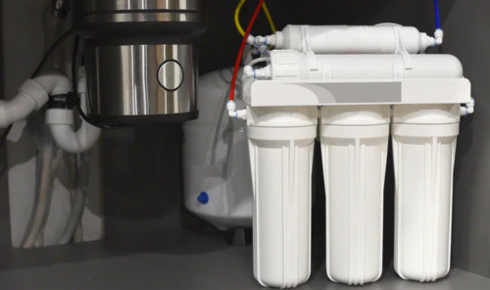
    For homeowners focused primarily on drinking water, especially taste and purity, reverse osmosis systems often enter the conversation. These systems work differently than basic filters, using pressure to remove a wide range of dissolved substances.

    What draws people to this approach isn’t fear—it’s control. RO systems provide a high level of consistency at the tap, which matters for families who cook a lot, make baby formula, or simply want predictable water every day.

    That said, they’re not always necessary for the whole house. Many people choose them specifically for drinking water, while addressing other issues elsewhere.

    Avoiding the “more is better” trap

    Once you start learning about filtration, it’s easy to overdo it. Add another stage. Then another. Chase purity instead of practicality. But water that’s stripped of everything can feel flat or even aggressive to plumbing.

    Balance matters. The goal isn’t to remove every molecule that isn’t H₂O. It’s to remove what causes problems and leave the rest alone. Thoughtful filtration respects water’s role instead of trying to reinvent it.

    The best systems feel boring once they’re installed—and that’s a compliment.

    How better water changes daily routines

    What surprises many homeowners isn’t how their water looks or tastes after improvements, but how life around it changes. Soap lathers more easily. Dishes come out cleaner. Appliances run quietly without constant maintenance.

    People drink more water without realizing it. Bottled water purchases fade away. Cleaning takes less effort. These aren’t dramatic shifts, but they’re persistent. Over time, they add up to less friction and fewer annoyances.

    Water starts supporting daily life instead of subtly working against it.

    Thinking long-term instead of reacting

    Water issues rarely demand immediate action, which is why they’re often postponed. But they’re cumulative. Sediment builds slowly. Taste changes gradually. Wear happens quietly.

    Taking a long-term view—testing, understanding, addressing problems step by step—leads to better outcomes than reactive fixes. You spend less. You replace fewer things. You feel more confident in your choices.

    And confidence changes how a home feels.

    When water fades into the background again

    The ultimate goal of any filtration decision isn’t excitement. It’s invisibility. When water behaves the way it should, you stop thinking about it. You stop compensating. You stop questioning.

    You pour a glass and trust it. You run appliances without worry. You stop noticing residue because there isn’t any.

    That’s when you know it’s working.

    A quiet ending, because water deserves one

    Understanding water filtration doesn’t mean turning your home into a lab or chasing perfection. It means noticing patterns, asking better questions, and choosing solutions that fit your life—not someone else’s checklist.

    Good water doesn’t ask for attention. It shows up every day, quietly doing its job, supporting everything else without complaint. And once it’s doing that, you’re free to forget about it again.

    Sometimes, the best improvements are the ones you never have to think about twice.

  • Why the Right Questions Matter More Than Quick Fixes at Home

    Why the Right Questions Matter More Than Quick Fixes at Home

    Most homeowners don’t think about their plumbing until something feels wrong. A slow drain here. A strange taste in the water there. Maybe a faint rattle in the walls that disappears as quickly as it came. None of these moments feel urgent, and that’s exactly why they’re so easy to dismiss.

    But homes, like people, have patterns. And those patterns usually tell a story long before a real problem announces itself. The difference between a temporary inconvenience and a long-term headache often comes down to whether someone pauses long enough to ask the right questions.


    When Experience Quietly Changes the Outcome

    It’s tempting to treat plumbing as purely mechanical. Pipes carry water. Valves control flow. Something breaks, you fix it. Simple enough. But real-world homes are rarely that simple. They’ve been modified, repaired, upgraded, and sometimes patched together over decades.

    This is where plumbing expertise quietly makes a difference. Experienced professionals don’t just react to what’s visible. They notice patterns. They recognize when a small issue is actually a symptom of something larger. And they understand how yesterday’s repairs can affect today’s performance.

    That perspective isn’t about being dramatic or upselling. It’s about context. Knowing what tends to fail next, not just what failed this time.


    Water Tells Stories—If You Know How to Listen

    Water quality is one of those topics people often oversimplify. Clear water gets a free pass. Cloudy water raises eyebrows. But there’s a lot happening beneath the surface that the eye can’t see.

    Minerals, chemicals, sediment, even subtle changes in taste or smell can reveal more than most homeowners realize. Understanding those clues takes more than a test strip and a quick glance. It takes deep water quality knowledge, built over time and across different environments.

    Someone who understands water at that level doesn’t jump to conclusions. They connect dots. They know when an issue is cosmetic and when it’s worth investigating further. And that knowledge helps homeowners avoid solutions that treat symptoms while ignoring causes.


    The Danger of Only Fixing What’s Broken

    There’s comfort in addressing problems one at a time. A leak here. A clog there. Each fix feels productive, like progress. But when issues keep popping up in different places, it’s worth asking whether you’re solving the right problem.

    Many homeowners fall into a cycle of reactive repairs. Nothing ever feels catastrophic, but nothing ever feels truly resolved either. Over time, this cycle becomes exhausting. Not because of the cost alone, but because of the constant uncertainty.

    Breaking that cycle often requires stepping back and looking at the system as a whole instead of chasing individual failures.


    Why Looking Closely Beats Guessing Quickly

    It’s easy to assume that if something is working, it’s fine. But “working” and “healthy” aren’t always the same thing. Pipes can function while slowly deteriorating. Systems can deliver water while doing so inefficiently or unevenly.

    This is why it’s valuable to occasionally inspect plumbing proactively, not just when something goes wrong. Inspections aren’t about finding problems for the sake of it. They’re about understanding what condition things are actually in, so decisions can be made calmly instead of urgently.

    Homeowners who take this approach often feel more in control. They know what’s aging gracefully and what might need attention down the line. That knowledge turns surprise into preparation.


    The Emotional Side of Trusting Your Home

    We don’t talk enough about the emotional side of home maintenance. There’s a subtle stress that comes from not trusting your own systems. Wondering if today’s shower will suddenly run cold. Hesitating before using certain fixtures. Listening for sounds that may or may not mean trouble.

    When systems are understood and maintained thoughtfully, that stress fades. You stop bracing for the next issue. You stop second-guessing every noise. Home becomes a place of ease again, not vigilance.

    That peace of mind isn’t accidental. It’s built through attention and informed choices.


    Why One-Size-Fits-All Advice Falls Short

    Online advice can be helpful, but it has limits. Homes vary widely in age, materials, water sources, and usage patterns. What works beautifully in one house might be unnecessary—or even harmful—in another.

    This is why personalized insight matters. Someone who understands both the physical system and the water moving through it can tailor solutions instead of relying on generic fixes. That customization often leads to simpler, more effective outcomes.

    It’s not about doing more. It’s about doing what actually fits.


    The Cost of Waiting Isn’t Always Obvious

    Putting off deeper evaluation rarely causes immediate disaster. That’s what makes it tempting. But over time, small inefficiencies compound. Minor wear accelerates. Repairs become more frequent.

    The cost shows up slowly. In higher utility bills. In repeated service calls. In the quiet frustration of dealing with the same category of problems again and again.

    Addressing issues earlier doesn’t always mean spending more. In many cases, it means spending smarter.


    When Curiosity Beats Fear

    Some homeowners avoid deeper inspection because they’re afraid of what they’ll find. That’s understandable. Big problems sound expensive and disruptive. But fear often exaggerates reality.

    More often than not, clarity reduces anxiety. Knowing what’s actually happening allows for planning. It creates options. It replaces “what if” with “here’s what we can do.”

    Curiosity opens doors that fear keeps closed.


    Building a Relationship With Your Home

    Homes aren’t static. They change with time, usage, and environment. Treating them as living systems instead of fixed objects helps homeowners make better decisions.

    That doesn’t mean obsessing over every detail. It means paying attention to trends. Asking questions when patterns emerge. And trusting experienced guidance when it’s time to look deeper.

    The goal isn’t perfection. It’s understanding.


    A Thoughtful Ending to a Practical Topic

    Plumbing and water systems don’t need to be mysterious or intimidating. They just need to be approached with patience, context, and the right perspective.

    When experience guides decisions, when water is understood instead of assumed, and when systems are evaluated before they fail, homes run more smoothly. Problems become manageable instead of disruptive.

    In the end, the best home improvements aren’t the ones you notice every day. They’re the ones that quietly do their job, letting you live your life without interruption. And that kind of reliability starts with asking better questions—and listening carefully to the answers.

  • Journey Simplified in Solapur With Reliable Travel Solutions From KK Tours and Travels

    Journey Simplified in Solapur With Reliable Travel Solutions From KK Tours and Travels

    Introduction

    Travelling has become a part of life, be it business, sightseeing or personal travelling. KK Tours and Travels in Solapur has established a good reputation in providing reliable transport and tailor made tour services. The company was started in 2003 and it is oriented towards customer satisfaction through provision of flexible travel arrangements, low costs and professional services.

    Solapur Travel Services.

    KK Tours and Travels provides an extended variety of transportation and travel services that would include local city transport, outstation travel, airport transfer and tailor made tour packages. The firm offers clean and well-maintained vehicles and qualified drivers to guarantee a smooth ride to the individuals, families, and corporate customers. 24/7 online booking and availability allows the travelers to be sure of efficient and timely services.

    Customized Tour Packages

    The company also resorts to organized customised tour packages to the most sought after places in Solapur such as Pandharpur, Tuljapur, Akkalkot, Ganagapur and Ashtavinayak. These packages are tailored to suit the needs of individual travelers, families and groups and have convenient itineraries and flexible travel schedules.

    Faithful Cab Rental Solutions.

    The most important service is cab service in Solapur, that offers a hassle free travelling experience in daily commuting and long-distance travelling. The fleet has a range of vehicles with different models to meet the travelling needs and budgets to make it convenient and comfortable. The firm also provides free delivery and collection services which makes it more convenient to the customer.

    What is so special with KK Tours and Travels?

    Customers prefer using KK Tours and Travels because of them being on time, professional drivers and low costs. Its business motto is total customer satisfaction, and everything in its services is aimed at addressing the changing travel requirements of its customers.

    Summary

    KK Tours and Travels is a reliable travel and transport service provider with customized tour packages, airport services and trusted taxi services in Solapur. The customer-focused philosophy, the ability to choose the ways of traveling flexibly, and the professionalism of the service standards made the company one of the most preferred by the users of safe and effective travel services. Daily commute and long distance travel are made easy with the presence of cab service in Solapur and also, the need of tourism and corporate travel is met by means of cab service in Solapur.

  • How to Choose One of The Best Adventure Resorts Near Pune

    How to Choose One of The Best Adventure Resorts Near Pune

    Choosing an ideal resort when planning a vacation is quite significant. Everything makes your vacation a memorable one, be it, your best outfits, your destination, surrounding location, and food. Primarily, selecting the best destination and right accommodation while considering one of the best adventure resorts near Pune is important. Here is a sneak peak into some important factors that you should consider when choosing a perfect resort for your trip.

    Look For Amenities

    Amenities are essential to ensure you have a comfortable and smooth stay at a resort. Make sure your rooms have world-class facilities for comfort and relaxation. Also, check out the amenities at the resort such as game rooms, swimming pools, and spas that can make your holiday memorable.

    Check Activities

    Various resorts offer numerous in-house as well as outbound activities around the resort. Look for a resort which offers options for a thrilling trek, dinner by the sea, kids’ games, sightseeing or safari to make your destination the best. Remember, the best luxury resorts always offer a range of exciting activities for all ages.

    Plan According to the Budget

    One of the important things that you should not forget to consider is your budget. Look for some of the best adventure resorts near Pune that give you world-class experience, amazing amenities, and a homely atmosphere that too at an affordable cost. There are plenty of budget-friendly resorts available near Pune that can fit according to your budget.

    Check Deals

    Resorts around the country offer great deals and packages irrespective of high or low tourist season. Check the resort’s official website and the price comparison website to find a fair offer for yourself. Use the deals while booking your resort and you can even take advantage of it on your next trip.

    Read Reviews

    Reading reviews given by other travelers is one of the effective ways to understand the type of services offered by the resort. Consider rewards and recognition received by the resort. Also ask friends or relatives who have stayed at the place earlier to get to know the resort better.

    Check Transportation

    Consider the transport or the ways to reach the chosen destination. Picking a resort based on purpose and length of your holiday is taken into account but picking a resort based on the way to reach the resort should also be taken into account. You can choose either a convenient driving distance, a rail or a regular flight to reach one of the best holiday resorts near Pune.

    Conclusion

    There are multiple options available that offer the best holiday experiences. Various well-known resorts near Pune like Empower Activity Camps that offer unforgettable adventure, luxury, and comfort for your vacations. It is in a picturesque location and a short drive from Pune. You can enjoy indoor and outdoor activities offered by the resort. The resort provides a comfortable stay away from your home to help you make the best memories out of the trip.

  • Why Bay Area Homeowners Should Prioritize Quality Craftsmanship in Their Remodels

    Why Bay Area Homeowners Should Prioritize Quality Craftsmanship in Their Remodels

    When it comes to home remodeling in the Bay Area, quality craftsmanship should be at the top of every homeowner’s priority list. With its diverse architectural styles and high real estate values, the Bay Area is an ideal location for remodeling projects, whether it’s a full home renovation, a kitchen remodel, or an ADU (Accessory Dwelling Unit) addition. While there are many contractors available, choosing the right one with a reputation for exceptional craftsmanship is essential to ensuring the success of your project. In this blog, we’ll discuss why quality craftsmanship is crucial and how it can affect your home’s value, functionality, and long-term durability.

    Ensuring Long-Term Durability and Reliability

    Quality craftsmanship is key to the long-term durability and reliability of your home remodel. Whether you’re updating your kitchen, renovating a bathroom, or adding extra living space with an ADU, the materials and techniques used during construction play a major role in how well your remodel will hold up over time.

    Using high-quality materials and skilled labor ensures that your home remodel is built to last, reducing the likelihood of costly repairs and maintenance down the line. For example, top-tier plumbing and electrical systems are essential for avoiding future issues, such as leaks or electrical malfunctions, which could be both expensive and inconvenient to fix. Well-executed craftsmanship ensures that the remodeling work can stand the test of time, ultimately protecting your investment.

    Enhancing Your Home’s Aesthetic Appeal

    Quality craftsmanship goes beyond structural integrity. It also enhances the aesthetic appeal of your home. Whether you’re designing a modern kitchen with custom cabinetry or a bathroom with elegant tilework, the details matter. Attention to detail can elevate the design and ensure that every aspect of the remodel complements the rest of your home.

    In the Bay Area, where homes are often an expression of personal style, choosing a contractor who takes pride in their craftsmanship ensures that your remodel is not only functional but also visually stunning. Superior finishes, precise installations, and meticulous attention to detail make a big difference in the overall appearance of your space. Well-crafted remodels look polished and cohesive, giving your home a high-end feel that adds value.

    Adding Value to Your Property

    In a competitive real estate market like the Bay Area, investing in quality craftsmanship is one of the best ways to add value to your home. Potential buyers are drawn to homes that feature high-quality renovations that are both beautiful and functional. A kitchen remodel with custom cabinets, durable countertops, and high-end appliances, for example, can significantly increase your home’s value. Likewise, a bathroom remodel with premium finishes and expert installation can provide an excellent return on investment.

    Homebuyers in the Bay Area often appreciate the longevity and value of high-quality work. Whether you’re planning to sell your home soon or simply want to increase its market value for the future, a well-executed remodel will help your property stand out and attract more interest from potential buyers.

    For those interested in seeing the results of high-quality craftsmanship,Check Out Client Success Stories, where you can read firsthand accounts from satisfied clients who have experienced exceptional remodeling services.

    Improving Functionality and Efficiency

    Another important reason to prioritize quality craftsmanship is the improvement of your home’s functionality and efficiency. In the Bay Area, where space can be limited, functional design is crucial. A high-quality remodel ensures that your home is not only aesthetically pleasing but also maximally efficient and practical.

    For example, expert craftsmanship can help create more storage space in a small kitchen or optimize layout designs to enhance traffic flow in high-traffic areas. When remodeling, it’s important to think about how the space will be used and ensure that every detail contributes to a more efficient home. From adding built-in storage solutions to incorporating energy-efficient appliances, quality craftsmanship can transform your space into a highly functional and user-friendly environment.

    Building Trust with a Reputable Contractor

    Choosing a contractor who values quality craftsmanship is also about building trust and ensuring that the project is completed to your satisfaction. Working with an experienced, reputable contractor means you can have confidence in the process and feel assured that your vision will be brought to life. Contractors with a strong track record of quality work are more likely to deliver on time, within budget, and with excellent results.

    Furthermore, reputable contractors often offer warranties or guarantees on their work, giving homeowners peace of mind. If issues arise down the line, having a contractor who stands behind their craftsmanship ensures that any necessary repairs or adjustments will be addressed promptly.

    Conclusion

    Prioritizing quality craftsmanship in your home remodel is essential for ensuring that your project is successful and that your home not only looks beautiful but also functions effectively and stands the test of time. Whether you’re making small updates or undertaking a large-scale renovation, working with skilled professionals will make all the difference in the outcome. High-quality craftsmanship enhances your home’s aesthetic appeal, adds value, improves functionality, and ensures long-term durability.

    For homeowners looking to invest in top-tier remodeling services, working with a trusted team of experts ensures that your project will be completed with the care and precision it deserves.

  • Supermarket Showdown: simple ideas, explosive fun on Roblox

    Supermarket Showdown: simple ideas, explosive fun on Roblox

    Supermarket Showdown proves that a great multiplayer game doesn’t need a complicated setup. By turning a supermarket into a chaotic arena, it delivers fast matches filled with action, surprises, and nonstop entertainment.

    From the first match, the game keeps things moving. You’re immediately running through aisles, colliding with other players, and reacting to unpredictable moments. The controls are easy to learn, but the constant chaos keeps every round exciting.

    The progression system adds long-term appeal. New items and upgrades unlock as you play, and each one introduces a new way to approach matches. This steady flow of rewards encourages experimentation and makes every session feel worthwhile.

    Supermarket Showdown excels at delivering quick, high-energy rounds that never feel repetitive. Whether you play for a few minutes or for hours, the fun stays consistent throughout.

    It’s the kind of game that quietly pulls you in and keeps you playing longer than you planned.

    🎨 Graphics: bright, colorful, and full of personality — 8.9
    🎮 Gameplay: fast, frantic, and extremely fun — 9.6 / 10
    🧠 Progression: engaging and well-balanced — 9.2
    ⚡ Variety: constant changes keep gameplay fresh — 9.3
    🌍 Community: active and adds to the overall energy — 8.7

    ⭐ Final Score: 9.3 / 10

    Supermarket Showdown is a standout example of how pure fun can drive a game’s success on Roblox.
    It’s easy to start, hard to stop, and always entertaining.

    If you enjoy games that turn a quick try into a long session,
    this one is absolutely worth your time. 🎮🔥

  • Stem Cell Graft versus Host Overview and Definition: Understanding the Immune Conflict After Transplant

    Stem Cell Graft versus Host Overview and Definition: Understanding the Immune Conflict After Transplant

    Stem cell transplantation has transformed the treatment of many blood and immune disorders by replacing diseased cells with healthy donor cells. However, when these donor immune cells begin to recognize the recipient’s body as foreign, a complex condition known as graft-versus-host disease (GvHD) can develop. Understanding the overview and definition of this condition is essential for appreciating why careful immune balance is central to successful transplant outcomes.

    At its core, GvHD is not a failure of the transplant itself but a consequence of immune reactivation—an outcome of giving the body a new immune system that must learn tolerance within a new biological environment.

    What Is Graft-versus-Host Disease?

    Graft-versus-host disease occurs when immune cells from a donor graft identify the recipient’s tissues as non-self and initiate an immune response against them. This process is unique to allogeneic stem cell transplantation, where cells come from another individual rather than from the patient’s own body.

    In a healthy immune system, T lymphocytes are trained to distinguish between self and foreign threats. After transplantation, donor T cells enter a host environment that differs genetically and immunologically from their origin. When these differences are perceived as dangerous, donor cells may attack organs such as the skin, liver, gastrointestinal tract, eyes, lungs, and joints.

    This immune reaction defines the biological foundation of GvHD.

    Why GvHD Is Both a Risk and a Paradox

    Interestingly, the same immune activity that causes GvHD can also be beneficial. Donor immune cells can attack remaining cancer cells, a phenomenon known as the graft-versus-tumor effect. This dual role makes GvHD a paradox:

    • Too little immune activity increases relapse risk
    • Too much immune activity causes tissue damage

    Modern transplant medicine focuses on achieving immune balance rather than complete suppression, a principle that guides care at centers such as Liv Hospital, where transplant strategies emphasize both disease control and long-term quality of life.

    Acute and Chronic Forms: A Functional Definition

    GvHD is broadly defined in two overlapping patterns based on immune behavior rather than time alone.

    Acute graft-versus-host disease typically reflects rapid immune activation and inflammatory injury. It most often affects the skin, gastrointestinal tract, and liver, presenting with rashes, diarrhea, abdominal pain, and abnormal liver tests.

    Chronic graft-versus-host disease represents prolonged immune dysregulation. Instead of pure inflammation, it often causes fibrosis, dryness, stiffness, and functional impairment across multiple organs. Chronic GvHD behaves more like an autoimmune condition and can persist for years if not carefully managed.

    This functional distinction helps clinicians determine how immune activity is unfolding rather than relying solely on when symptoms appear.

    The Biological Mechanism Behind GvHD

    From a biological standpoint, GvHD develops through a multi-step immune process:

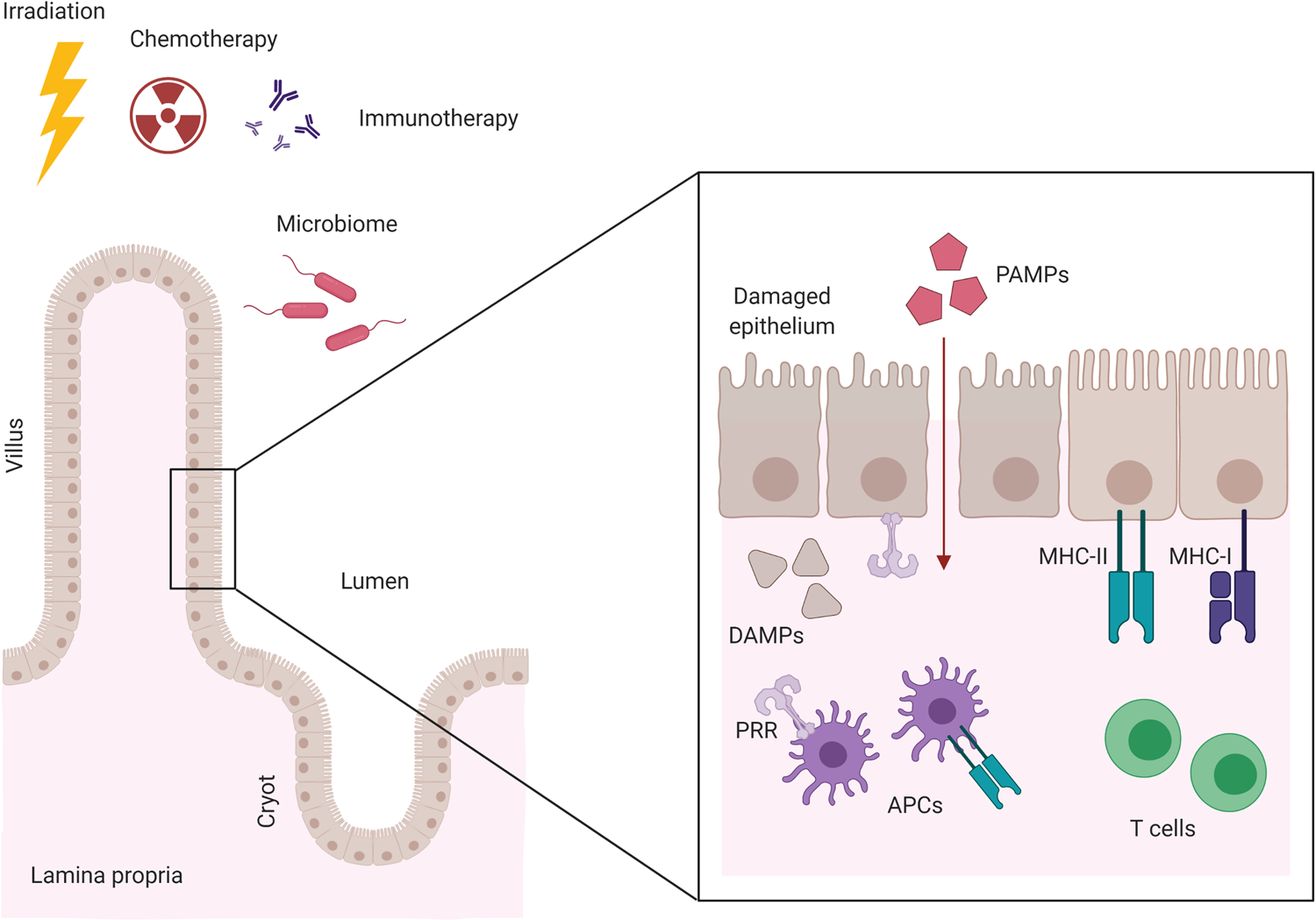
    1. Tissue injury from chemotherapy or radiation releases inflammatory signals
    2. Donor immune cell activation occurs in response to these signals
    3. Target recognition leads donor cells to attack host tissues
    4. Sustained immune signaling amplifies damage if tolerance does not develop

    This sequence explains why GvHD is closely linked to conditioning intensity, immune compatibility, and early post-transplant inflammation.

    Why Definition Matters for Long-Term Outcomes

    Defining GvHD correctly is not just academic—it directly affects how patients are monitored and treated. Early immune activation may look mild but can evolve into chronic disease if unrecognized. Conversely, not every post-transplant symptom is GvHD, and over-treatment can suppress protective immunity unnecessarily.

    This is why a structured understanding of Stem Cell Graft versus host Overview and Definition forms the foundation for accurate diagnosis, risk stratification, and personalized treatment planning throughout the transplant journey.

    Beyond Medical Management: Supporting Immune Stability

    While medical therapy remains central to controlling immune reactions, recovery after transplantation is also influenced by rest patterns, nutrition, stress regulation, and emotional resilience. Many patients complement clinical follow-up with broader wellness education that supports immune balance and daily functioning, and some explore lifestyle-focused resources such as live and feel as part of their long-term adjustment after transplant.

  • Stem Cell Graft versus Host Conditions and Indications: When Risk Rises and Monitoring Becomes Essential

    Stem Cell Graft versus Host Conditions and Indications: When Risk Rises and Monitoring Becomes Essential

    Graft-versus-host disease (GvHD) is one of the most important immune-related complications after an allogeneic stem cell transplant. It occurs when donor immune cells recognize the recipient’s tissues as foreign and begin attacking them. Because this immune response can range from mild and manageable to severe and life-threatening, the “conditions and indications” stage is where clinicians identify who is most at risk, when GvHD is most likely to appear, and what specific warning situations require immediate assessment.

    At Liv Hospital, this evaluation is approached as a proactive risk-management pathway—because the best outcomes often come from recognizing high-risk patterns before organ damage becomes advanced.

    What “Conditions and Indications” Means in GvHD Care

    In clinical practice, “conditions and indications” refers to the circumstances that make GvHD more likely or signal that immune activation may already be beginning. This includes:

    • Transplant-related factors that increase immune mismatch
    • Patient factors that reduce tolerance or resilience
    • Early symptoms that are clinically meaningful in the post-transplant context
    • Treatment milestones where immune balance can shift (such as tapering medications)

    Rather than waiting for severe symptoms, clinicians use this stage to identify patients who need closer observation and earlier diagnostic workups.

    Key Conditions That Increase GvHD Risk

    Not every transplant carries the same likelihood of GvHD. Several conditions make immune conflict more probable, especially in the early immune reconstitution period.

    1) Donor–recipient immune mismatch patterns

    Even with careful matching, small differences in immune markers can influence risk. Partial matching, unrelated donors, or specific immune marker disparities can create a stronger “foreignness signal” that activates donor T cells.

    2) Intensity of conditioning before transplant

    High-dose chemotherapy and radiation can damage the skin, gut lining, and liver tissues. When these barriers are inflamed, they release signals that can amplify donor immune activation—making GvHD more likely to develop.

    3) Stem cell source and immune cell content

    Some graft sources naturally carry different immune cell profiles, which can affect how strongly donor immunity reacts during engraftment and early recovery.

    4) History of infections or inflammatory flare-ups

    Viral reactivations, bacterial infections, and prolonged inflammation can mimic GvHD—but they can also trigger immune escalation and increase true GvHD risk. This is why post-transplant infections often demand careful clinical separation rather than assumptions.

    Indications That Prompt Immediate GvHD Assessment

    Indications are the real-world triggers that tell a medical team: this patient needs targeted evaluation now. These triggers are not always dramatic; in post-transplant care, small changes can carry major meaning.

    Skin indications

    • New rash, itching, redness, or rapid spread of skin changes
    • Sensitivity or burning sensations with minimal visible rash
    • Thickening or tightening changes that suggest chronic immune effects

    Gastrointestinal indications

    • Persistent diarrhea, cramping, nausea, or appetite loss
    • Sudden intolerance to foods that were previously tolerated
    • Signs of dehydration or electrolyte imbalance linked to stool changes

    Liver and metabolic indications

    • Rising bilirubin or enzyme trends without clear medication explanation
    • New jaundice, dark urine, or unexplained fatigue paired with lab shifts

    Eye, mouth, and joint indications (often chronic-pattern)

    • Dry eyes, light sensitivity, or gritty sensation
    • Mouth dryness, taste changes, or ulcers
    • Joint stiffness and reduced range of motion not explained by inactivity

    These symptom clusters are considered meaningful because post-transplant patients can deteriorate faster than typical medical patients if immune injury is missed.

    Timing-Based Indications: When GvHD Often Appears

    GvHD does not appear randomly—it tends to emerge around predictable immune transition periods. Clinicians increase surveillance during:

    • Early engraftment and immune reconstitution, when donor immunity is rapidly expanding
    • Medication changes, especially tapering steroids or calcineurin inhibitors
    • Post-infection recovery, when immune rebound can become overly aggressive
    • Late recovery phases, when chronic immune remodeling may produce long-term tissue changes

    This is why structured follow-up is part of standard transplant survivorship planning—not just symptom management.

    Why Some Patients Need “High-Sensitivity” Monitoring

    Two patients can have the same symptom but very different clinical risk. High-sensitivity monitoring is often indicated when the patient has:

    • Limited physiological reserve (frailty, malnutrition, organ strain)
    • Multiple medications that complicate symptom interpretation
    • A history of previous immune flares or borderline signs
    • Difficulty reporting symptoms early (language, cognition, access barriers)

    In these cases, even mild symptoms can justify faster work-up because delayed detection carries higher consequences.

    Where This Fits in the Full GvHD Pathway

    The purpose of Stem Cell Graft versus host Conditions and Indications is to make sure risk is recognized early and surveillance is appropriately intensified. Once indications appear, the next step typically becomes structured evaluation—often involving labs, clinical grading, and targeted tissue confirmation when needed.

    This approach supports a safer balance: controlling immune activity without exposing patients to unnecessary suppression.

    Supporting Recovery Beyond the Clinic

    Even when medical monitoring is excellent, transplant recovery is still shaped by daily habits that influence inflammation, sleep, appetite, and emotional resilience. Many patients find that gentle wellness routines—structured rest, hydration consistency, low-stress movement, and supportive community—help them feel steadier between follow-ups, and some explore broader lifestyle guidance through platforms like live and feel.

  • Stem Cell Graft versus Host Diagnosis and Evaluation: How Clinicians Identify Immune Conflict After Transplant

    Stem Cell Graft versus Host Diagnosis and Evaluation: How Clinicians Identify Immune Conflict After Transplant

    After an allogeneic stem cell transplant, the immune system undergoes a delicate rebalancing process. While donor cells are essential for rebuilding blood and immune function, they can sometimes recognize the recipient’s tissues as foreign. This immune mismatch gives rise to graft-versus-host disease (GvHD), a condition whose diagnosis relies on careful pattern recognition rather than a single definitive test.

    At Liv Hospital, diagnosis and evaluation of GvHD follow a structured, multi-layered approach designed to detect immune injury early, distinguish it from other post-transplant complications, and guide timely treatment decisions.

    Why Diagnosing GvHD Requires More Than Symptom Checking

    Symptoms such as skin rashes, diarrhea, liver enzyme abnormalities, or dry eyes are common after transplantation—but not all are caused by GvHD. Infections, medication toxicity, conditioning-related tissue damage, and disease relapse can present in similar ways. This overlap makes diagnosis a process of exclusion as much as confirmation.

    Evaluation therefore begins with a central question: Are the observed changes driven by donor immune activity, or by another post-transplant process? Answering this accurately prevents unnecessary immune suppression and avoids dangerous delays in treatment.

    Step One: Clinical Pattern Recognition Across Organ Systems

    GvHD is a systemic condition, but it rarely affects all organs at once. Clinicians look for characteristic combinations of findings rather than isolated abnormalities.

    Key clinical assessments include:

    • Skin examination for distribution, texture changes, and progression of rashes
    • Gastrointestinal review focusing on stool volume, abdominal pain, and nutrient absorption
    • Liver assessment through bilirubin trends and enzyme patterns
    • Eye and oral evaluation for dryness, irritation, or mucosal sensitivity in chronic presentations
    • Pulmonary symptom review when chronic involvement is suspected

    The timing of symptom onset—early after transplant or months later—also helps distinguish acute from chronic forms during Stem Cell Graft versus host Diagnosis and Evaluation.

    Step Two: Laboratory and Biomarker Assessment

    Blood testing plays a critical role in supporting or questioning a suspected diagnosis. Rather than relying on one abnormal value, clinicians assess trends and correlations.

    Common laboratory elements include:

    • Liver function panels to detect immune-mediated bile duct injury
    • Inflammatory markers that reflect immune activation
    • Complete blood counts to identify immune dysregulation or marrow stress
    • Electrolyte and nutritional markers to assess gut involvement

    These results are interpreted alongside clinical findings, not in isolation, to avoid misclassification.

    Step Three: Targeted Tissue Confirmation When Needed

    In uncertain cases, tissue sampling helps confirm immune-mediated damage and rule out infection or drug-related injury. Biopsy is not always required, but it becomes important when symptoms are severe, atypical, or resistant to initial management.

    Examples include:

    • Skin biopsy to identify lymphocyte-driven inflammation
    • Gut biopsy to distinguish GvHD from viral or bacterial enteritis
    • Liver biopsy in complex cases where multiple causes of enzyme elevation coexist

    Pathology findings provide insight into the pattern and intensity of immune attack, which directly informs treatment intensity.

    Step Four: Staging and Severity Scoring

    Once GvHD is confirmed, evaluation shifts toward staging. Severity grading is essential because it determines how aggressively treatment should proceed.

    Clinicians assess:

    • Number of organs involved
    • Degree of functional impairment
    • Rate of progression
    • Response to supportive measures

    This structured staging process ensures that mild cases are not overtreated and severe cases are not underestimated.

    Step Five: Differentiating Acute and Chronic Immune Patterns

    Although traditionally defined by time since transplant, acute and chronic GvHD are now recognized as biologically distinct immune processes that can overlap.

    Evaluation focuses on:

    • Type of tissue damage (inflammatory vs fibrotic)
    • Presence of autoimmune-like features
    • Long-term functional changes rather than sudden inflammation

    Recognizing this distinction allows clinicians to tailor monitoring and avoid applying outdated time-based labels alone.

    Ongoing Evaluation as a Continuous Process

    Diagnosis of GvHD does not end with the first confirmation. Reassessment is ongoing, especially during medication adjustments or immune recovery phases. Changes in symptoms, lab values, or organ function may indicate improvement, flare, or the emergence of secondary complications.

    This continuous monitoring approach is a core element of modern Stem Cell Graft versus host Diagnosis and Evaluation strategies.

    Supporting Long-Term Stability Beyond Medical Testing

    While clinical evaluation focuses on immune activity, long-term outcomes are influenced by how well patients maintain daily balance during recovery. Thoughtful routines around rest, nutrition, emotional support, and stress regulation can complement medical follow-up. Some patients explore broader lifestyle perspectives through wellness-focused platforms such as live and feel as part of rebuilding stability after intensive treatment.

  • Stem Cell Graft versus Host Treatment and Procedures: A Practical Guide to Care Pathways After Transplant

    Stem Cell Graft versus Host Treatment and Procedures: A Practical Guide to Care Pathways After Transplant

    Graft-versus-host disease (GvHD) can occur after an allogeneic stem cell transplant when donor immune cells begin reacting against the recipient’s tissues. Because this condition can range from mild inflammation to multi-organ involvement, treatment is not a single medication—it is a structured pathway of staged decisions, targeted therapies, and careful supportive management designed to control immune activity without leaving the patient unprotected.

    At Liv Hospital, multidisciplinary transplant teams often approach GvHD using a “control + preserve” strategy: control damaging inflammation while preserving enough immune function to reduce infection risk and maintain long-term transplant success.

    Step 1: Confirming the Pattern and Severity Before Treatment Escalation

    The first phase of management is confirming whether symptoms are consistent with acute or chronic GvHD, since the treatment plan depends heavily on disease type, organ involvement, and severity.

    Clinical evaluation typically includes:

    • Detailed symptom review (skin rash, diarrhea, jaundice, eye dryness, oral ulcers, breathing changes)
    • Lab work for liver enzymes, inflammatory markers, and blood counts
    • Organ-focused testing (stool studies, imaging, lung function tests, ophthalmologic evaluation when needed)
    • Tissue confirmation in selected cases (such as skin, gut, or liver biopsy)

    This structured approach helps avoid treating “look-alike” complications (drug reactions, infections, or relapse) and ensures the next steps are appropriately targeted within Stem Cell Graft versus host Treatment and Procedures pathways.

    Step 2: First-Line Therapy—Systemic Steroids and Immune Control

    For moderate to severe acute GvHD, systemic corticosteroids are commonly used as first-line therapy because they act quickly to reduce immune-driven tissue damage. Depending on severity and organ involvement, treatment may combine:

    • Steroids (systemic)
    • Calcineurin inhibitors (commonly used for immune suppression after transplant)
    • Supportive organ-specific medications (for gut, liver, or skin symptoms)

    Because prolonged steroid exposure can cause weakness, elevated blood sugar, bone thinning, mood shifts, and infection risk, clinicians typically reassess early to decide whether patients are responding well—or whether escalation is needed.

    Step 3: Steroid-Refractory GvHD—When Treatment Needs to Change Direction

    Not all patients respond adequately to steroids. When symptoms persist, worsen, or return during steroid tapering, the condition may be classified as steroid-refractory or steroid-dependent GvHD. At this stage, treatment often shifts toward therapies that reduce harmful immune signaling more precisely, without relying solely on high-dose corticosteroids.

    Options may include:

    • Targeted immune pathway inhibitors
    • Immunomodulating agents
    • Specialized biologic therapies aimed at inflammatory cascades

    The goal is to reduce organ injury while also reducing reliance on steroids, which is especially important in older or medically vulnerable transplant patients.

    Step 4: Cell-Based and Regenerative Strategies in Selected Cases

    Cellular therapy is an emerging and increasingly utilized option in certain GvHD scenarios, particularly when conventional immune suppression does not deliver durable control.

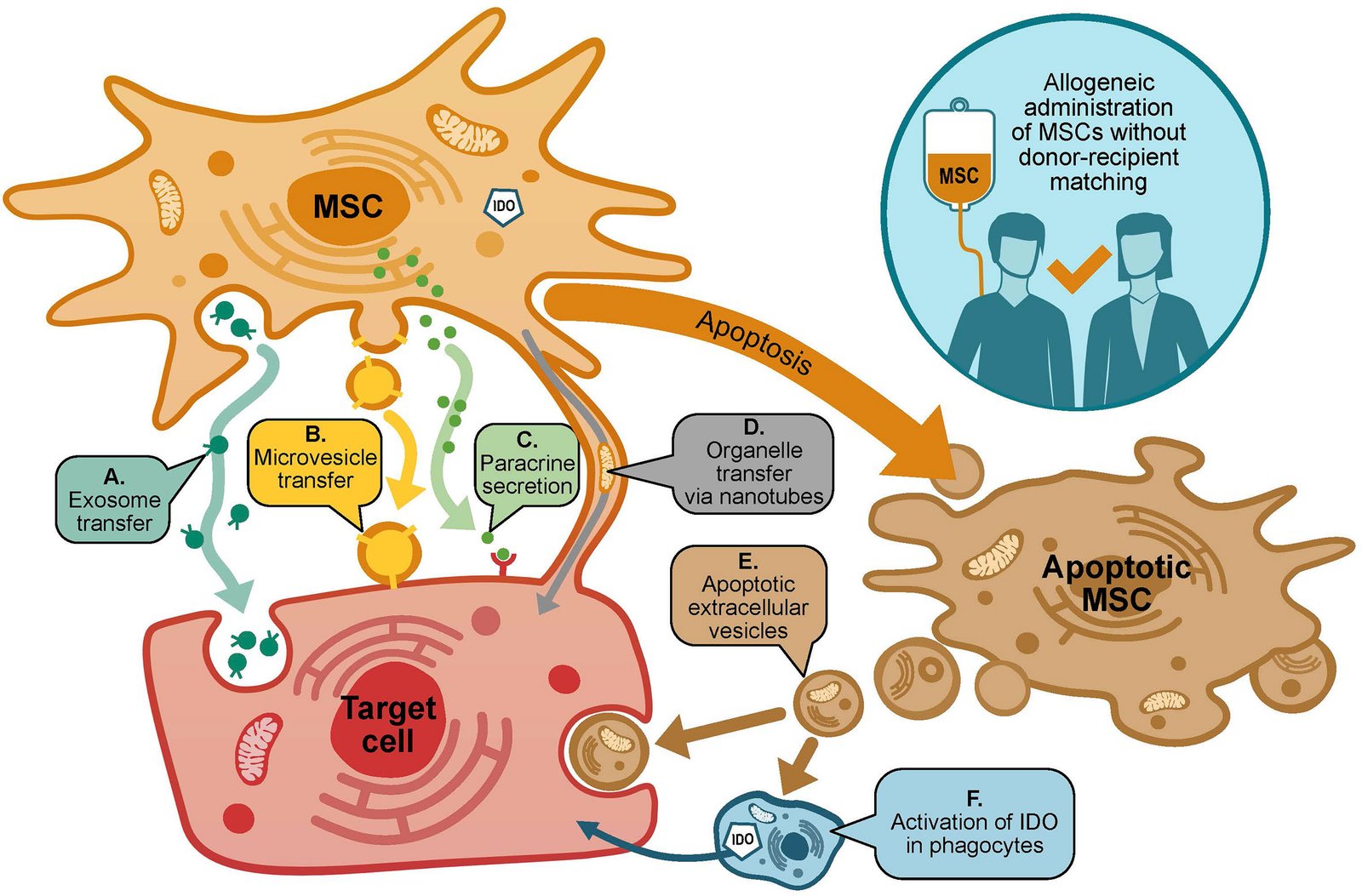
    One approach explored in advanced care settings is the use of mesenchymal stromal/stem cells (MSCs), which are valued not primarily because they “replace” damaged organs, but because they can release signaling molecules that:

    • calm excessive immune responses
    • support tissue repair environments
    • reduce inflammatory intensity in affected organs

    Not every patient is a candidate for cell-based therapies, so transplant teams typically evaluate timing, infection status, organ involvement, and overall transplant stability before proceeding.

    Step 5: Organ-Specific Procedures and Supportive Treatment

    Even when systemic inflammation is controlled, GvHD can leave long-lasting functional problems that require focused supportive care.

    Skin involvement

    • Medical-grade moisturization and barrier repair strategies
    • Topical anti-inflammatory treatments
    • Phototherapy or procedural options in carefully selected patients

    Gut involvement

    • Hydration and electrolyte replacement
    • Nutritional planning (including temporary bowel rest in severe cases)
    • Symptom-targeted therapies for diarrhea and malabsorption

    Liver involvement

    • Medication optimization to reduce liver stress
    • Monitoring bile flow markers and enzyme trends
    • Adjusting immune therapy to reduce hepatic inflammation

    Eye and mouth involvement (chronic patterns)

    • Tear support and surface protection strategies
    • Oral lubricants and mucosal protection
    • Dental monitoring to reduce secondary complications

    These steps matter because GvHD treatment is not only about stopping immune injury—it’s also about restoring comfort, function, and daily quality of life.

    Step 6: Infection Prevention Built Into Every Treatment Plan

    Because many GvHD therapies reduce immune activity, infection prevention is not a side note—it is part of the core procedure plan. Patients may receive:

    • prophylactic antivirals, antifungals, and antibiotics depending on risk profile
    • vaccination planning at the correct post-transplant stage
    • rapid-response guidance for fever, respiratory symptoms, or sudden decline

    This is one of the most important reasons follow-up schedules are strict during active treatment periods.

    What Patients Can Expect During Treatment—A Simple Timeline View

    While every case differs, many care plans follow a rhythm like this:

    1. Immediate symptom control (days to weeks)
    2. Response check and early adjustment (first 2–4 weeks)
    3. Steroid tapering or escalation planning (weeks to months)
    4. Long-term stabilization (months to years in chronic cases)

    This is why treatment is best understood as a process rather than a single procedure.

    Living Through Treatment With Practical Daily Support

    The most effective outcomes often come from combining medical treatment with routines that support resilience—safe movement, nutrition, sleep structure, and stress reduction that fits the patient’s energy and immune status. For lifestyle-friendly wellness ideas that can complement recovery discussions, many patients explore resources like live and feel as part of building sustainable routines during long-term healing.