Let’s talk water. Not the sparkling kind or the kind that fuels your morning coffee—but the kind that runs through your pipes every day. The kind that makes your dishes spotty, your skin itchy, and your appliances wear out faster than they should. At some point, you’ve probably wondered if you need a water softener or water conditioner. And hey, you’re not the only one—this question pops up in homeownership circles more than you’d expect.
We all want better water, but the problem is, no one explains the difference without sounding like a chemistry teacher. So let’s keep it simple and down-to-earth. If you’re debating whether to get a conditioner, a softener, or neither—this one’s for you.
When Water Isn’t Just… Water
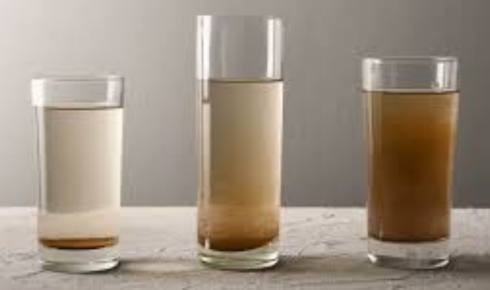
Here’s the thing: not all water is created equal. Some of it’s loaded with calcium and magnesium—what we call hard water. While not necessarily harmful to your health, hard water is a silent troublemaker. It clings to everything, creates limescale buildup, dulls your clothes, and even ruins your water heater over time.
Soft water, on the other hand, has had those minerals removed or neutralized. That means less build-up in your pipes, better soap lather, and longer-lasting appliances.
But the real question that always follows is: do you need a water softener or water conditioner to fix your hard water issues?
The Mechanism Behind the Magic
Let’s break it down.
A water softener works by actually removing hardness minerals—typically through a process called ion exchange. It swaps calcium and magnesium for sodium or potassium. It’s tried and true, and if you’re dealing with serious hard water, this is the workhorse that’ll get the job done.
A water conditioner, on the other hand, doesn’t remove minerals. It changes how they behave. Most use a technology like template-assisted crystallization (TAC) to alter the structure of the minerals so they won’t stick to your pipes or surfaces. It’s more of a behavior modifier than an eviction notice.
So, the difference between water softener and water conditioner really comes down to removal vs. transformation. If your primary concern is reducing mineral buildup while being salt-free and maintenance-light, a conditioner might be for you. But if you need true soft water for your laundry, shower, or appliances, a softener is still king.
Real-World Impacts: What You’ll Notice
Let’s talk about life with these systems—not the lab results.
If you install a water softener, expect soap that lathers like a dream, glassware that sparkles, and towels that stay soft longer. Your hair might feel silkier, and your razor will glide more easily. Bonus: your hot water heater will thank you, too.
If you go with a conditioner, your dishes may still get a few spots, and your laundry might not feel quite as soft—but you’ll likely see less scale in your shower and better performance from your appliances over time. Plus, no heavy salt bags or frequent maintenance.
Choosing between a water conditioner or water softener isn’t just about science—it’s about lifestyle. How much effort do you want to put in? What are your water goals? Are you okay with a “good enough” fix or looking for a total overhaul?
Environmental Footprint and Maintenance
This part often gets overlooked—but it matters.
Softening systems use salt and regenerate with brine, which can lead to environmental concerns depending on where you live. Some states have even placed restrictions on traditional softeners due to salt discharge affecting wastewater systems.
Conditioners? Most are salt-free, require no drainage, and don’t need regular refills. They’re more hands-off, more eco-friendly—but again, not as effective at reducing hardness by definition.
Maintenance is another biggie. Softening systems usually need monthly salt refills and occasional servicing. Conditioners tend to be more “set and forget.”
A Personal Decision (Not a Universal One)
If you came here looking for a final answer on which one is “better,” sorry to disappoint—but the truth is, it depends on you.
Live in a region with ultra-hard water? Got a big family, lots of laundry, or expensive appliances? A softener might be worth the upfront cost and maintenance.
Live in an area with moderate hardness? Want something eco-conscious and low-maintenance? A conditioner could be just fine.
The bottom line is, your home, your water, your lifestyle all play a role in what’s best. Just don’t let flashy marketing or buzzwords sway you too much. The best choice is the one that works for your reality, not the average home on a sales sheet.
Final Thoughts
At the end of the day, there’s no shame in not knowing the difference—these terms get tossed around interchangeably, but they’re not the same. Knowing what you’re dealing with can save you money, time, and future frustration.
Whether you choose a water softener or water conditioner, or even decide to skip treatment altogether (not recommended in high-hardness areas), the key is to make an informed choice—not just the popular one.
Get your water tested. Talk to a local expert. Read reviews. And most of all, trust your gut. You know your home better than anyone.