There’s something particularly frustrating about cleaning a kitchen faucet only to find chalky white deposits covering it again a few days later. The same residue appears on showerheads, inside kettles, and across freshly washed glassware. It might seem like a cleaning problem, but the real culprit could be hiding in your water supply.
For Knoxville homeowners looking to reduce scale buildup on plumbing fixtures and appliances, addressing water hardness can be a practical alternative to constantly battling stubborn mineral deposits.
While hard water isn’t generally considered a health hazard, its effects can become inconvenient and potentially expensive over time. Fortunately, understanding how water softening works can help you protect your household equipment and make ordinary cleaning routines a little easier.
What’s Behind Those Stubborn White Deposits?
Water picks up naturally occurring minerals as it travels through soil and rock. Calcium and magnesium are primarily responsible for hardness, and they can leave mineral deposits behind when water evaporates or is heated.
Think about what happens inside a kettle after repeated use. That chalky layer gradually accumulating at the bottom is a familiar example of mineral scale.
Similar deposits can develop inside plumbing components, water heaters, and household appliances, where they’re considerably harder to notice.
Cleaning visible surfaces might temporarily improve their appearance, but it doesn’t change the mineral content of incoming water.
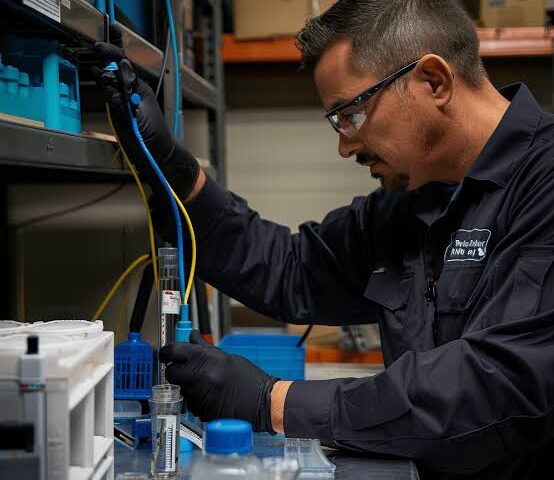
A hardness test provides a clearer understanding of the problem and helps determine whether installing a softener would be worthwhile.
How Water Softening Addresses the Underlying Problem
Rather than removing mineral deposits after they develop, water softening focuses on reducing hardness before water travels throughout your home.
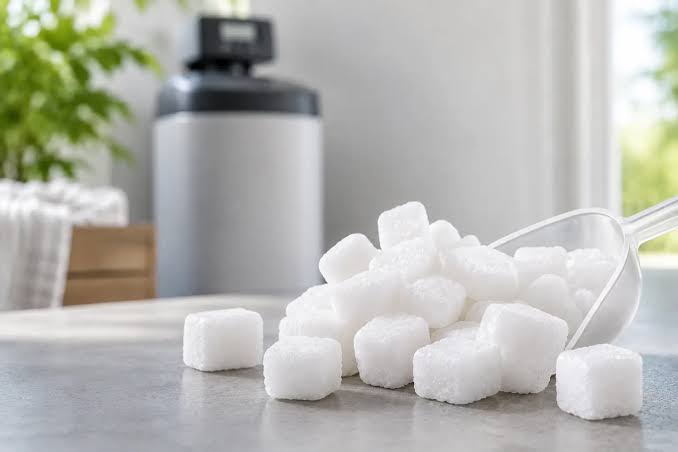
Traditional softening systems for household water typically rely on ion exchange, a process in which specially designed resin beads exchange calcium and magnesium ions for sodium or potassium ions.
As the resin becomes exhausted, the system regenerates using a prepared brine solution, restoring its softening capacity.
This ongoing process helps reduce the formation of new hardness-related deposits.
However, water softening shouldn’t be confused with comprehensive water purification. A conventional softener isn’t designed to remove bacteria or every unwanted chemical from drinking water.
Depending on your water quality, additional filtration may be necessary to address concerns beyond hardness.
Choosing Equipment That Actually Fits Your Household
Walking into a showroom or browsing water treatment products online can feel overwhelming. There are different tank sizes, control systems, regeneration methods, and maintenance requirements to consider.
When comparing water softener options for homeowners, focus on your household’s actual water hardness, consumption patterns, peak demand, and available installation space.
A family with several bathrooms and frequent laundry loads will probably have different requirements from a couple living in a smaller property.
Demand-initiated softeners regenerate according to measured water usage, offering a practical approach for households whose consumption varies throughout the week.
Ask about salt consumption, installation requirements, warranty coverage, and replacement component availability.
The best system isn’t necessarily the most expensive one. It’s the one that meets your needs without creating unnecessary operating costs.
Giving Your Water Heater and Appliances Extra Attention
Household appliances aren’t cheap, and replacing them unexpectedly can put considerable pressure on the family budget.
Hard water can contribute to scale formation inside heating elements and other water-dependent components. As deposits accumulate, heat transfer may become less efficient, and maintenance requirements may increase.
Reducing water hardness can help limit additional scale formation inside susceptible equipment.
Your dishwasher, water heater, and washing machine may all benefit from having fewer hardness-related minerals passing through them.
Of course, installing a softener won’t magically repair existing damage. Older appliances with significant mineral accumulation might still require professional cleaning or servicing.
Prevention and regular maintenance work best together.
Making Everyday Cleaning a Little Less Demanding
The practical benefits of softer water often become noticeable in surprisingly ordinary ways.
Soap generally lathers more easily, glassware may develop fewer mineral spots, and bathroom fixtures can become easier to maintain.
You might discover that you’re using less detergent when following appropriate product instructions. Laundry may also feel softer as mineral accumulation decreases.
Some people initially find the slippery sensation of softened water unfamiliar during showers. It can take a little time to adjust, particularly if you’ve lived with hard water for years.
The biggest improvement, though, might simply be spending less of your Saturday morning scrubbing the bathroom.
That’s a benefit many busy homeowners can appreciate.
Keeping Your Softener Working as Intended
A water softener requires regular attention, although routine upkeep doesn’t need to be particularly complicated.
Monitor salt levels, follow manufacturer instructions, and occasionally inspect the brine tank for unusual buildup or hardened salt deposits.
If you notice mineral spots returning, check whether the system is regenerating correctly and arrange hardness testing if necessary.
Don’t automatically assume the equipment needs replacing. Sometimes, a simple maintenance issue or incorrect setting is responsible for declining performance.
Professional servicing can help identify problems before they become more disruptive.
A Practical Investment in a More Comfortable Home
For Knoxville homeowners, managing water hardness is about more than keeping faucets looking attractive. It’s also about protecting equipment, simplifying household maintenance, and reducing recurring frustrations.
Start with accurate testing and choose a system that reflects how your family actually uses water.
Over time, the value of softening may become apparent through cleaner-looking surfaces, improved soap performance, and fewer concerns about new mineral deposits.
Better water isn’t always about dramatic changes. Sometimes, it’s the small improvements that make the biggest difference.
And having one less stubborn household problem to deal with is certainly something worth appreciating.