Water is one of those everyday essentials that rarely gets much attention until something changes. Maybe your morning coffee tastes different, white deposits keep appearing around the kitchen tap, or your washing machine seems to struggle with mineral buildup. These little annoyances can quickly become expensive problems, especially when the cause isn’t obvious.
The challenge is that water quality isn’t always easy to judge. Clear water can still contain unwanted substances, while a strange taste doesn’t automatically mean the supply is unsafe. Understanding what’s happening beneath the surface is the first step toward making a sensible decision.
Whether you’re responsible for a family home, a rental property, or a commercial facility, the aim is much the same: identify the problem, choose an appropriate treatment method, and keep the equipment working properly. It doesn’t have to be complicated, but it does require a little planning.
Why Water Quality Deserves Your Attention
Water travels through a variety of environments before reaching your tap. Municipal supplies are treated and monitored, yet characteristics such as mineral content and taste can differ between locations. Private wells bring another set of considerations because groundwater can be affected by local geology, rainfall, agricultural activity, and changes around the well.
Some problems leave visible clues. Hard water can create scale on faucets and shower screens, while iron may contribute to reddish stains on sinks and laundry. Sediment can collect in plumbing fixtures, and certain substances may affect the water’s taste or smell.
Other concerns aren’t so easy to spot. Microorganisms, nitrates, lead, arsenic, and various chemical contaminants may be present without making water look or smell unusual. This is why testing is more dependable than relying on appearance alone.
For households using private wells, periodic testing is especially important. Testing may also be appropriate after flooding, repairs to the well, nearby land-use changes, or a noticeable change in the water. If you suspect a health-related issue, use a qualified laboratory and follow guidance from the relevant public health authority.
Once you understand the water’s characteristics, you can stop guessing and start comparing solutions that actually make sense.
Finding a Treatment System That Fits Your Property
Not every water problem requires an elaborate installation. Sometimes a simple sediment filter is enough to address suspended particles. In other situations, a property may need a softener to reduce hardness minerals, a carbon filter to improve taste and odor, or a specialized process to address a particular contaminant.
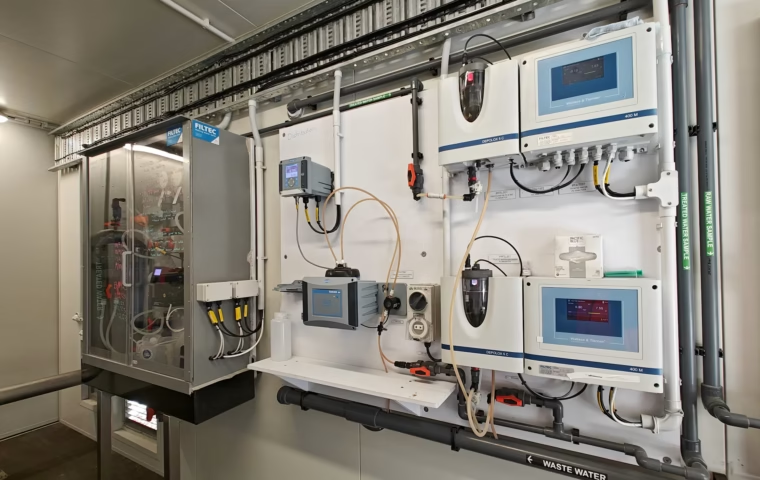
Water treatment systems are designed to handle different water conditions, so choosing one starts with understanding its purpose. Filtration removes selected particles or substances, softening reduces hardness, and disinfection targets susceptible microorganisms. These processes aren’t interchangeable, and one unit rarely addresses every possible concern.
For example, a family bothered by chlorine taste may find that an appropriately certified carbon filter meets its needs. A household dealing with scale on water heaters and faucets may benefit from a properly sized water softener. A private well with confirmed microbial contamination requires a different approach, potentially including an appropriate disinfection method and an investigation into the contamination source.
It’s worth asking a few practical questions before buying anything. What problem is the equipment designed to solve? Has its performance been independently verified for the relevant contaminant? How much water can it treat, and what will maintenance cost over time?
A reliable supplier should be able to explain these details without relying on vague promises. If a product claims to remove virtually everything but provides little information about its tested performance, look more closely before making a purchase.
Why One Solution Doesn’t Suit Every Water Problem
It’s tempting to look for a universal product that can fix every issue at once. After all, choosing one system sounds easier than comparing several technologies. But water conditions vary considerably, and an unsuitable treatment method can waste money while leaving the original problem unresolved.
Water quality solutions by need focus on matching equipment to the actual conditions found in the water. This approach helps avoid paying for features that aren’t necessary while ensuring important concerns receive proper attention.
Consider a home with high mineral content. A carbon filter may improve taste, but it generally won’t remove the hardness responsible for scale. A softener may help control that scale, yet it won’t automatically disinfect the water or remove every dissolved contaminant. If the water also contains sediment, a suitable prefilter may be useful.
Commercial properties face similar decisions, often with additional pressure to maintain reliable flow. A restaurant may prioritize consistent water quality for food preparation and equipment, while a workshop could need treatment to protect machinery. A farm might require a system designed around irrigation demand and the characteristics of its source water.
The right combination depends on testing, water usage, installation conditions, and the intended application. Sometimes one well-chosen unit is sufficient. In other cases, several treatment stages are needed to achieve the desired result.
Making Water Testing Part of the Process
Water testing doesn’t need to feel like a technical exercise reserved for specialists. Basic checks can help homeowners monitor selected characteristics and recognize when something has changed.
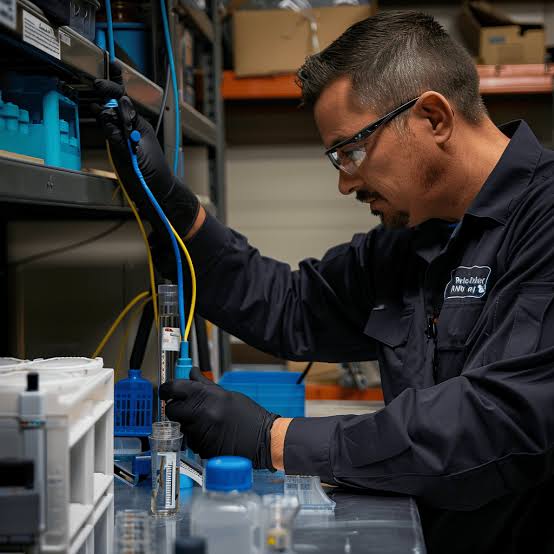
Water testing tools include test strips, liquid reagent kits, handheld meters, and more specialized equipment. Depending on the product, these tools may measure properties such as pH, hardness, chlorine, or electrical conductivity. Each has limitations, so it’s important to understand what a particular kit can and cannot detect.
A handheld meter, for example, may provide a useful reading of total dissolved solids, but that number doesn’t identify individual contaminants or establish that water is safe to drink. Similarly, a basic test strip cannot replace laboratory analysis for substances that require more precise testing.
For routine monitoring, follow the kit instructions carefully, check expiration dates, and use clean sampling containers. Poor sampling technique can affect results, making it harder to compare readings over time.
When a result is unexpected or a health concern is involved, professional testing is the better choice. An accredited laboratory can use methods appropriate to the suspected contaminant and provide information that helps guide treatment decisions.
Testing is also useful after equipment installation. Depending on the treatment method, follow-up tests can help confirm that the system is performing as intended rather than simply assuming that installation has solved the problem.
Don’t Overlook Installation and Maintenance
Even good equipment can disappoint if it isn’t installed correctly. Flow rates, water pressure, pipe size, and the arrangement of treatment stages all influence performance. A system that’s too small may struggle during periods of heavy demand, while an unnecessarily large installation can add expense without delivering meaningful benefits.
Maintenance deserves the same attention. Filter cartridges need replacement, softeners require appropriate servicing, and disinfection equipment must be checked according to the manufacturer’s instructions. Ignoring these tasks can reduce effectiveness and, in some cases, compromise the intended treatment.
Keep a simple record of installation dates, filter changes, service visits, and water test results. It takes only a few minutes, but it can help you identify recurring problems before they become costly repairs.
Remember that changes in taste or appearance don’t reveal every water quality issue. Continue testing when recommended, especially if the system is intended to reduce health-related contaminants.
Making a Confident Choice for the Long Term
Choosing water treatment equipment is easier when you focus on facts rather than sales claims. Begin with your water source, identify the concerns through appropriate testing, and compare systems based on verified performance, operating costs, and maintenance requirements.
Don’t be afraid to ask questions. A dependable supplier should explain what the equipment does, what it doesn’t do, and how to keep it working. For complex water conditions, advice from a qualified treatment professional can help prevent costly mistakes.
Good water management isn’t about buying the most advanced equipment on the market. It’s about finding a practical solution that suits your property and continues to perform reliably. With a little research and regular care, you can make better decisions about your water and enjoy greater confidence in the system you depend on every day.