Take a close look at the kitchen faucet, the inside of your kettle, or the edges of your showerhead. Those stubborn white deposits that seem to return no matter how often you clean are familiar to many homeowners. They’re not necessarily a sign of poor housekeeping. More often, they’re the result of dissolved minerals naturally present in hard water.
For households considering water softeners for mineral buildup, addressing hardness at its source can offer a more practical solution than repeatedly scrubbing away deposits.
Across Moorhead, Fargo, and neighboring Minnesota and North Dakota communities, understanding how mineral-rich water affects plumbing, appliances, and everyday cleaning can help homeowners make better decisions about water treatment.
Where Do Those Stubborn Mineral Deposits Come From?
Water naturally absorbs calcium and magnesium as it moves through underground rock and soil. Higher concentrations of these dissolved minerals contribute to what we commonly call hard water.
When water evaporates, the minerals can remain behind, forming the chalky residue you notice around faucets and shower doors. Heating water can also encourage scale formation inside kettles and water heaters.
The frustrating part is that cleaning only addresses the deposits that have already formed. As long as hard water continues flowing through your plumbing, new deposits can gradually appear.
Although hardness isn’t generally considered a health concern at typical drinking water concentrations, it certainly creates practical challenges around the house.
Why Proper Installation Makes a Real Difference
Buying a water softener might seem straightforward, but selecting suitable equipment and installing it correctly requires careful consideration.
Dependable water softener installation and service should account for measured water hardness, household consumption, plumbing arrangements, incoming water pressure, and peak demand.
An undersized system may struggle to keep up with a busy household, while unnecessarily large equipment could increase upfront expenses.
Installation location matters, too. You’ll want enough room to replenish salt, inspect components, and access the equipment when servicing becomes necessary.
Before purchasing, ask how the system regenerates, how much maintenance it requires, and what ongoing support is available.
These practical questions can make the difference between equipment that’s convenient to own and something that becomes another household headache.
Understanding the Role of Residential Water Treatment
Not every water quality problem is caused by hardness. Sometimes, homeowners experience unpleasant odors, suspended particles, or discoloration alongside mineral deposits.
A thoughtful approach to residential water conditioning begins with identifying these different concerns and selecting treatment methods that serve distinct purposes.
Conventional ion-exchange softeners reduce dissolved calcium and magnesium by exchanging them with sodium or, in compatible systems, potassium ions.
Sediment filters, on the other hand, capture suspended particles. Activated carbon can help address certain unwanted tastes and odors.
These technologies can complement one another, but they aren’t interchangeable.
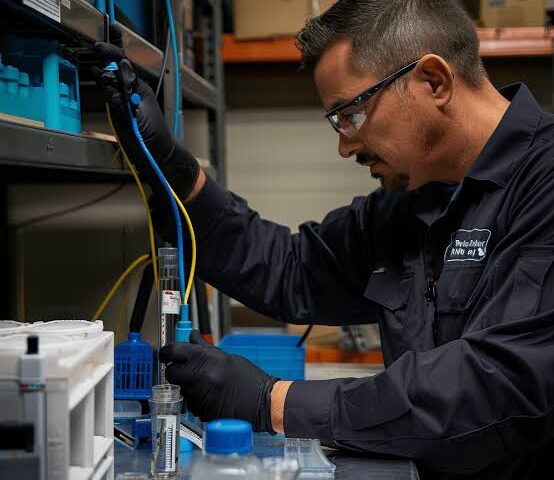
Starting with reliable water testing helps homeowners determine whether softening alone is sufficient or whether additional treatment would provide meaningful benefits.
Giving Your Household Appliances a Better Chance
Replacing a water heater or dishwasher isn’t something most people enjoy budgeting for. These appliances represent substantial investments, and keeping them in good condition makes financial sense.
Mineral scale can accumulate inside equipment that regularly heats water. Over time, significant deposits may interfere with heat transfer or contribute to maintenance problems.
Reducing hardness helps limit the formation of new scale, potentially making appliance maintenance more manageable.
It’s important, however, to maintain realistic expectations. A newly installed softener won’t automatically repair existing damage or eliminate years of accumulated deposits.
Regular cleaning and professional servicing remain necessary.
Think of water softening as preventive care. Addressing a recurring problem today may help reduce avoidable complications further down the road.
Spending Less Time on Repetitive Household Cleaning
Anyone who has dealt with hard water knows how quickly a freshly cleaned bathroom can lose its sparkle.
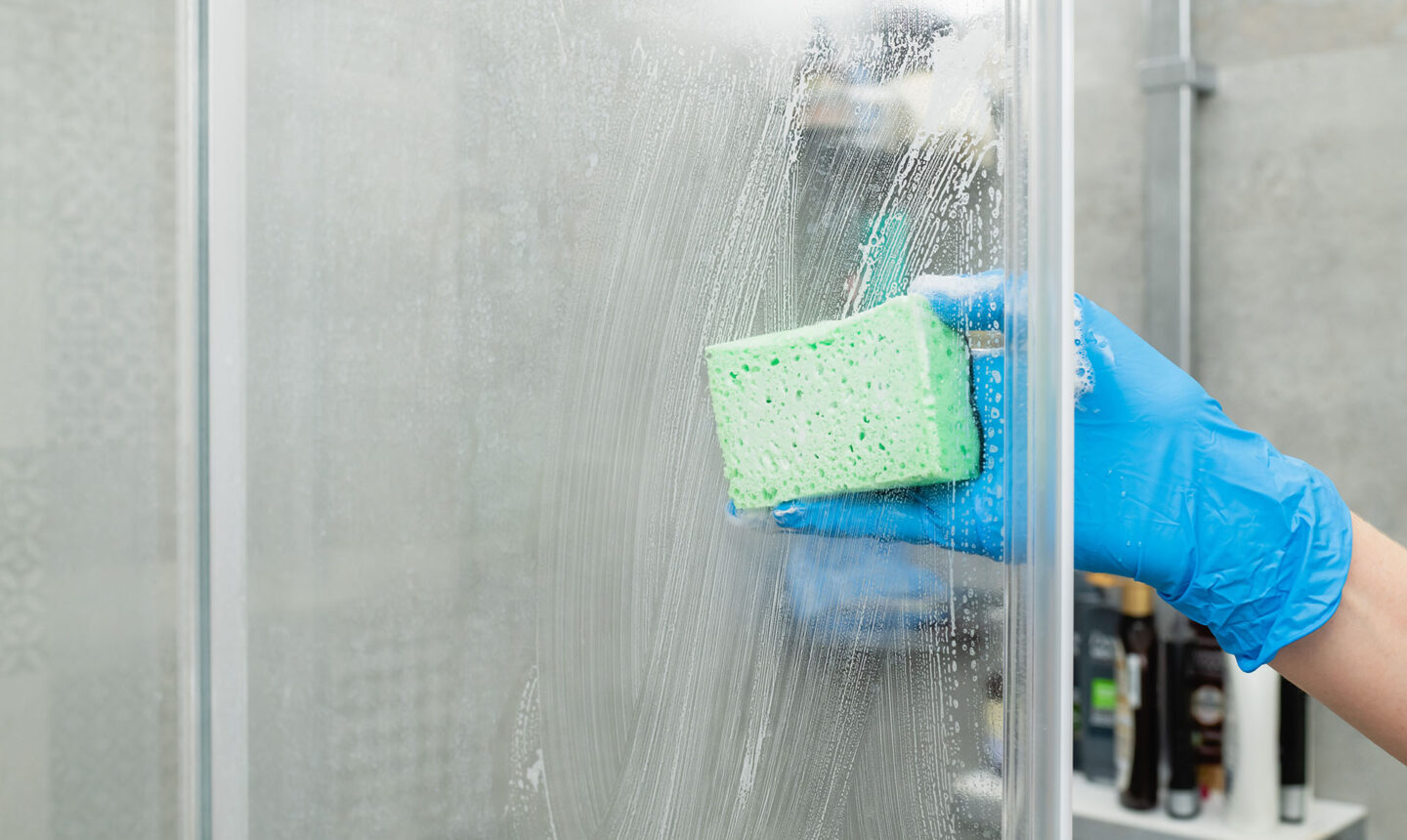
Mineral residue reappears around faucets, glass shower screens develop cloudy patches, and soap scum becomes particularly stubborn.
Softer water can help reduce mineral-related deposits and improve soap performance. In some households, this may mean using less detergent or spending less time tackling stubborn residue.
Laundry may feel different, too. Reduced interaction between detergents and hardness minerals can make fabrics feel less stiff.
There’s often an adjustment period after installing a softener. You might discover that the amount of soap you’ve been using for years is more than you actually need.
It’s a small change, but one that can make everyday routines a little easier.
Keeping Your Water Softener Performing Reliably
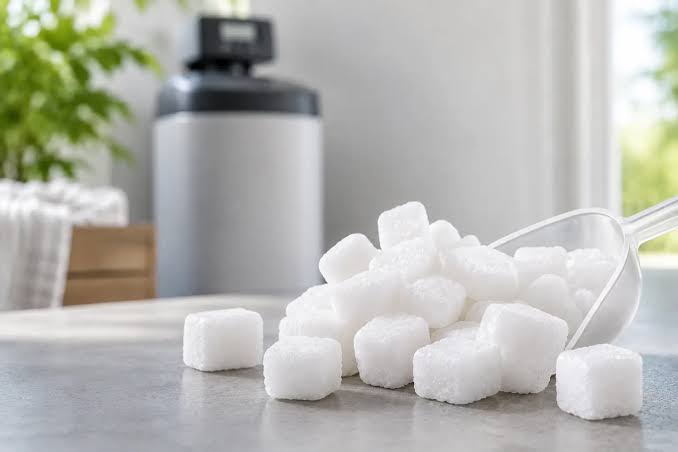
A water softener generally works quietly in the background, making it easy to forget that it requires occasional attention.
Check regenerating salt levels regularly and follow the manufacturer’s maintenance recommendations. Depending on the equipment, periodic inspections and professional servicing may also be necessary.
Unexpected changes in water hardness, unusually frequent regeneration, or declining water pressure deserve investigation.
It’s also worth understanding the system’s ongoing salt and water consumption.
Demand-initiated regeneration can help limit unnecessary regeneration cycles when equipment is correctly sized and programmed.
Keeping a simple maintenance record allows you to monitor performance without turning water treatment into a complicated responsibility.
Making a Practical Investment in Everyday Comfort
For homeowners throughout Minnesota and North Dakota, managing hard water doesn’t have to involve elaborate equipment or endless cleaning.
Begin with a reliable hardness assessment, select a suitable softener, and establish a maintenance routine that fits your lifestyle.
The benefits often emerge gradually. Fewer chalky deposits, easier cleaning, and more manageable appliance maintenance can make a noticeable difference over time.
Water softening might not be the most exciting home improvement project, but its value lies in the ordinary moments it helps improve.
And when something makes household life a little simpler every single day, that’s an investment worth considering.