Have you ever boiled water in a kettle and noticed small white flakes floating around afterward? Or perhaps you’ve wondered why your bathroom fixtures develop a chalky coating despite regular cleaning. These are familiar signs of hard water, and while they might seem harmless enough, dealing with them repeatedly can become quite exhausting.
Fortunately, homeowners who want to reduce hard water scale with softening can address excessive hardness before minerals accumulate around fixtures and inside water-using appliances.
It’s a practical improvement that doesn’t demand a complete change in lifestyle. Instead, it tackles a problem that may have been quietly adding unnecessary work to your daily routine for years.
Why Hard Water Leaves So Much Behind
Water naturally absorbs minerals as it travels through underground rock and soil. Calcium and magnesium are primarily responsible for hardness, and although they’re not generally harmful at typical drinking water concentrations, their effects around the house can be frustrating.
When hard water evaporates, dissolved minerals may remain behind as visible residue. Heating water can also encourage scale formation.
That’s why kettles, showerheads, and water heaters are particularly susceptible to mineral buildup.
The trouble is that cleaning these deposits only provides temporary relief. Every time untreated hard water passes through your plumbing, the conditions that contribute to new deposits remain.
Addressing the water itself offers a more sustainable way to manage the situation.
Finding a Practical Approach to Hardness Reduction
Not every household experiences hardness to the same degree. Some homeowners notice occasional spotting on glassware, while others struggle with substantial mineral deposits that require frequent attention.
Effective water softening solutions should consider measured hardness levels, daily consumption, household size, and existing plumbing conditions.
Conventional ion-exchange equipment reduces hardness by exchanging dissolved calcium and magnesium ions for sodium or, in compatible systems, potassium ions.
The system periodically regenerates to restore its treatment capacity.
Other conditioning technologies may help manage scale formation without actually removing hardness minerals. Understanding this distinction is important when comparing products.
Rather than choosing equipment based solely on advertising claims, look for a treatment method that genuinely addresses your expectations and household requirements.
Choosing Equipment That Fits Your Home
A family with several bathrooms and a busy laundry routine will probably have different water requirements from someone living alone in a smaller property.
When comparing water softeners for homes, consider equipment capacity, peak water demand, regeneration efficiency, and ongoing maintenance expenses.
Choosing an undersized system may result in more frequent regeneration or insufficient treatment capacity. Purchasing unnecessarily large equipment, on the other hand, could mean spending more than you need to.
Available installation space matters as well. A softener should be positioned somewhere accessible for inspections, salt replenishment, and routine servicing.
It’s worth discussing these details before installation. Small practical considerations often make a considerable difference to how satisfied you are with the equipment over time.
Protecting the Appliances You Depend On
Most homeowners don’t think much about their water heater until something goes wrong. The same could be said for dishwashers and washing machines.
Yet these appliances encounter your household water regularly, and excessive hardness can contribute to maintenance concerns.
Significant mineral scale accumulation inside water-heating equipment may interfere with heat transfer. Deposits can also collect around certain plumbing components.
Appropriate softening helps limit new hardness-related buildup, supporting the ongoing care of your appliances.
Existing deposits may still require professional cleaning or servicing, so don’t expect newly installed treatment equipment to reverse years of accumulated scale overnight.
Nevertheless, reducing the conditions that encourage further buildup is a sensible preventive measure.
Making Cleaning Feel Less Like an Endless Chore
There’s something particularly annoying about cleaning a shower door and finding fresh mineral spots the very next morning.
With softened water, hardness-related deposits may accumulate more slowly, making regular bathroom and kitchen maintenance easier.
Soap can also lather more readily, and certain detergents may perform better when fewer hardness minerals are present.
Some homeowners find their laundry feels less stiff after switching to softened water. Others appreciate spending less time removing white deposits around faucets.
These aren’t necessarily changes that transform your entire lifestyle. They’re simply small improvements that make familiar responsibilities more manageable.
And when you’ve had a busy week, even a slightly easier cleaning routine is something to appreciate.
Getting the Most From Your Water Softener
Installing treatment equipment is a good beginning, but consistent maintenance helps preserve its performance.
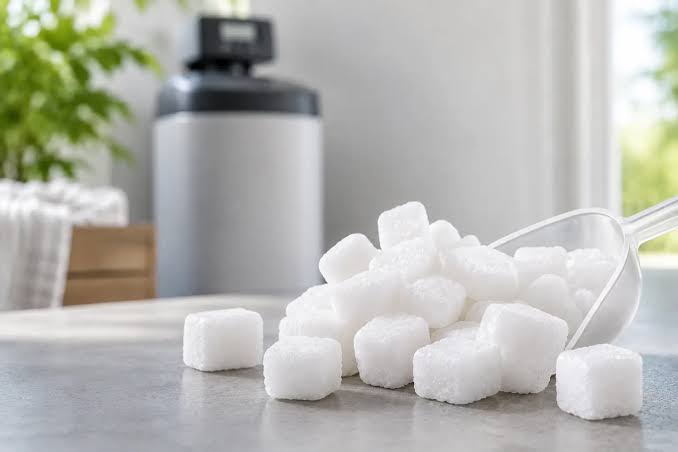
Conventional softeners require regenerating salt, and the brine tank should be checked periodically according to manufacturer recommendations.
Unexpected changes in water hardness, unusual regeneration patterns, or recurring deposits may indicate that the equipment needs attention.
When speaking with a water treatment provider such as Hawkins Water, ask about recommended servicing intervals, salt requirements, warranty coverage, and operating expenses.
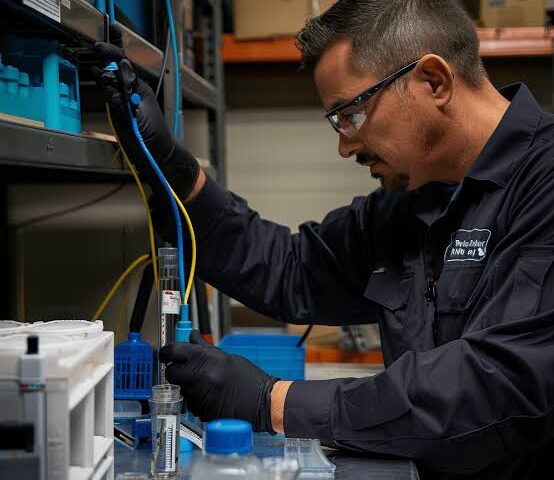
Periodic hardness testing can help verify that your equipment continues working as intended.
Remember, too, that softening doesn’t provide comprehensive drinking water purification. Additional treatment may be necessary if other water quality concerns are identified.
A Little Less Buildup, a Little More Comfort
Hard water is one of those household problems that can easily become accepted as normal. You buy another descaling product, clean the bathroom again, and carry on without giving it much thought.
But there are practical alternatives.
Reliable water testing, properly selected softening equipment, and consistent maintenance can help address excessive hardness at its source.
The benefits may gradually appear through cleaner-looking fixtures, fewer new mineral deposits, and more enjoyable household routines.
Your home should be somewhere you can relax, not a place where you’re constantly catching up on unnecessary maintenance.
Sometimes, improving everyday comfort begins with something as fundamental as the water flowing through your pipes. It’s a small change that can make a lasting difference.