Graft-versus-host disease (GvHD) can occur after an allogeneic stem cell transplant when donor immune cells begin reacting against the recipient’s tissues. Because this condition can range from mild inflammation to multi-organ involvement, treatment is not a single medication—it is a structured pathway of staged decisions, targeted therapies, and careful supportive management designed to control immune activity without leaving the patient unprotected.
At Liv Hospital, multidisciplinary transplant teams often approach GvHD using a “control + preserve” strategy: control damaging inflammation while preserving enough immune function to reduce infection risk and maintain long-term transplant success.
Step 1: Confirming the Pattern and Severity Before Treatment Escalation
The first phase of management is confirming whether symptoms are consistent with acute or chronic GvHD, since the treatment plan depends heavily on disease type, organ involvement, and severity.
Clinical evaluation typically includes:
- Detailed symptom review (skin rash, diarrhea, jaundice, eye dryness, oral ulcers, breathing changes)
- Lab work for liver enzymes, inflammatory markers, and blood counts
- Organ-focused testing (stool studies, imaging, lung function tests, ophthalmologic evaluation when needed)
- Tissue confirmation in selected cases (such as skin, gut, or liver biopsy)
This structured approach helps avoid treating “look-alike” complications (drug reactions, infections, or relapse) and ensures the next steps are appropriately targeted within Stem Cell Graft versus host Treatment and Procedures pathways.
Step 2: First-Line Therapy—Systemic Steroids and Immune Control
For moderate to severe acute GvHD, systemic corticosteroids are commonly used as first-line therapy because they act quickly to reduce immune-driven tissue damage. Depending on severity and organ involvement, treatment may combine:
- Steroids (systemic)
- Calcineurin inhibitors (commonly used for immune suppression after transplant)
- Supportive organ-specific medications (for gut, liver, or skin symptoms)
Because prolonged steroid exposure can cause weakness, elevated blood sugar, bone thinning, mood shifts, and infection risk, clinicians typically reassess early to decide whether patients are responding well—or whether escalation is needed.
Step 3: Steroid-Refractory GvHD—When Treatment Needs to Change Direction
Not all patients respond adequately to steroids. When symptoms persist, worsen, or return during steroid tapering, the condition may be classified as steroid-refractory or steroid-dependent GvHD. At this stage, treatment often shifts toward therapies that reduce harmful immune signaling more precisely, without relying solely on high-dose corticosteroids.
Options may include:
- Targeted immune pathway inhibitors
- Immunomodulating agents
- Specialized biologic therapies aimed at inflammatory cascades
The goal is to reduce organ injury while also reducing reliance on steroids, which is especially important in older or medically vulnerable transplant patients.
Step 4: Cell-Based and Regenerative Strategies in Selected Cases
Cellular therapy is an emerging and increasingly utilized option in certain GvHD scenarios, particularly when conventional immune suppression does not deliver durable control.
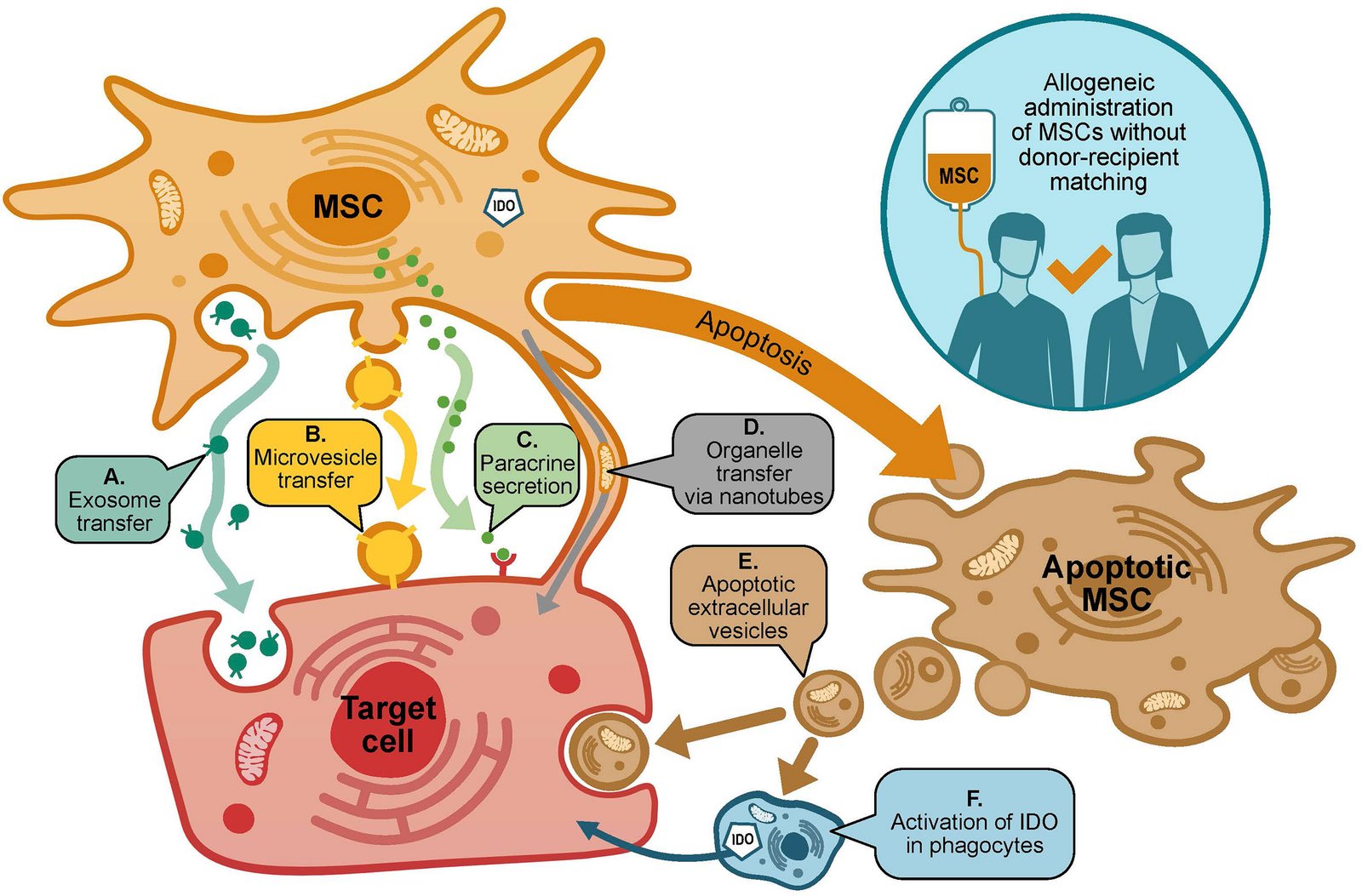
One approach explored in advanced care settings is the use of mesenchymal stromal/stem cells (MSCs), which are valued not primarily because they “replace” damaged organs, but because they can release signaling molecules that:
- calm excessive immune responses
- support tissue repair environments
- reduce inflammatory intensity in affected organs
Not every patient is a candidate for cell-based therapies, so transplant teams typically evaluate timing, infection status, organ involvement, and overall transplant stability before proceeding.
Step 5: Organ-Specific Procedures and Supportive Treatment
Even when systemic inflammation is controlled, GvHD can leave long-lasting functional problems that require focused supportive care.
Skin involvement
- Medical-grade moisturization and barrier repair strategies
- Topical anti-inflammatory treatments
- Phototherapy or procedural options in carefully selected patients
Gut involvement
- Hydration and electrolyte replacement
- Nutritional planning (including temporary bowel rest in severe cases)
- Symptom-targeted therapies for diarrhea and malabsorption
Liver involvement
- Medication optimization to reduce liver stress
- Monitoring bile flow markers and enzyme trends
- Adjusting immune therapy to reduce hepatic inflammation
Eye and mouth involvement (chronic patterns)
- Tear support and surface protection strategies
- Oral lubricants and mucosal protection
- Dental monitoring to reduce secondary complications
These steps matter because GvHD treatment is not only about stopping immune injury—it’s also about restoring comfort, function, and daily quality of life.
Step 6: Infection Prevention Built Into Every Treatment Plan
Because many GvHD therapies reduce immune activity, infection prevention is not a side note—it is part of the core procedure plan. Patients may receive:
- prophylactic antivirals, antifungals, and antibiotics depending on risk profile
- vaccination planning at the correct post-transplant stage
- rapid-response guidance for fever, respiratory symptoms, or sudden decline
This is one of the most important reasons follow-up schedules are strict during active treatment periods.
What Patients Can Expect During Treatment—A Simple Timeline View
While every case differs, many care plans follow a rhythm like this:
- Immediate symptom control (days to weeks)
- Response check and early adjustment (first 2–4 weeks)
- Steroid tapering or escalation planning (weeks to months)
- Long-term stabilization (months to years in chronic cases)
This is why treatment is best understood as a process rather than a single procedure.
Living Through Treatment With Practical Daily Support
The most effective outcomes often come from combining medical treatment with routines that support resilience—safe movement, nutrition, sleep structure, and stress reduction that fits the patient’s energy and immune status. For lifestyle-friendly wellness ideas that can complement recovery discussions, many patients explore resources like live and feel as part of building sustainable routines during long-term healing.