Water should be the easiest part of your day. You wake up, turn the tap, fill a glass, move on. No thinking required. And for years, that’s exactly how it works. Until one day, you notice something small. A cloudy look in the sink. Grit at the bottom of a bathtub. Ice cubes that don’t quite look right. Nothing alarming. Just… noticeable.
That’s usually how the water conversation begins. Not with panic, but with curiosity.
The tiny clues we tend to ignore
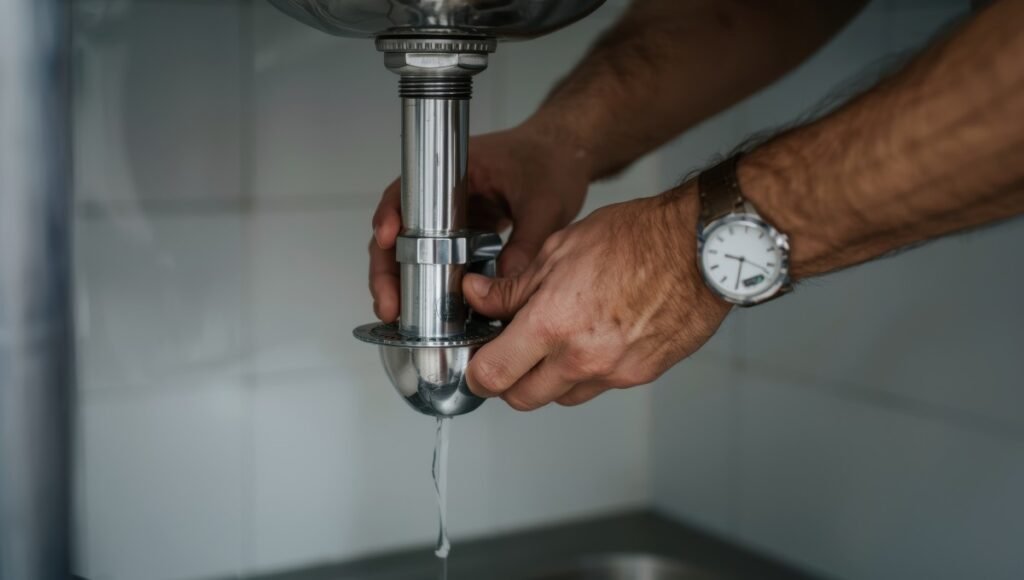
Most water quality issues don’t arrive with sirens. They show up quietly, in ways that are easy to dismiss. A little residue on fixtures. A faint taste you can’t quite describe. A coffee maker that needs cleaning more often than it should.
We adapt fast. We wipe, scrub, rinse again, and get on with our lives. But over time, those small adjustments become habits. And habits often hide the root cause.
Water has a way of telling you what’s going on, if you’re willing to listen.
When particles become part of the story
One of the first things people notice, especially in older homes or areas with wells, is physical matter in the water. Sand. Rust flakes. Fine grit that settles if the water sits too long.
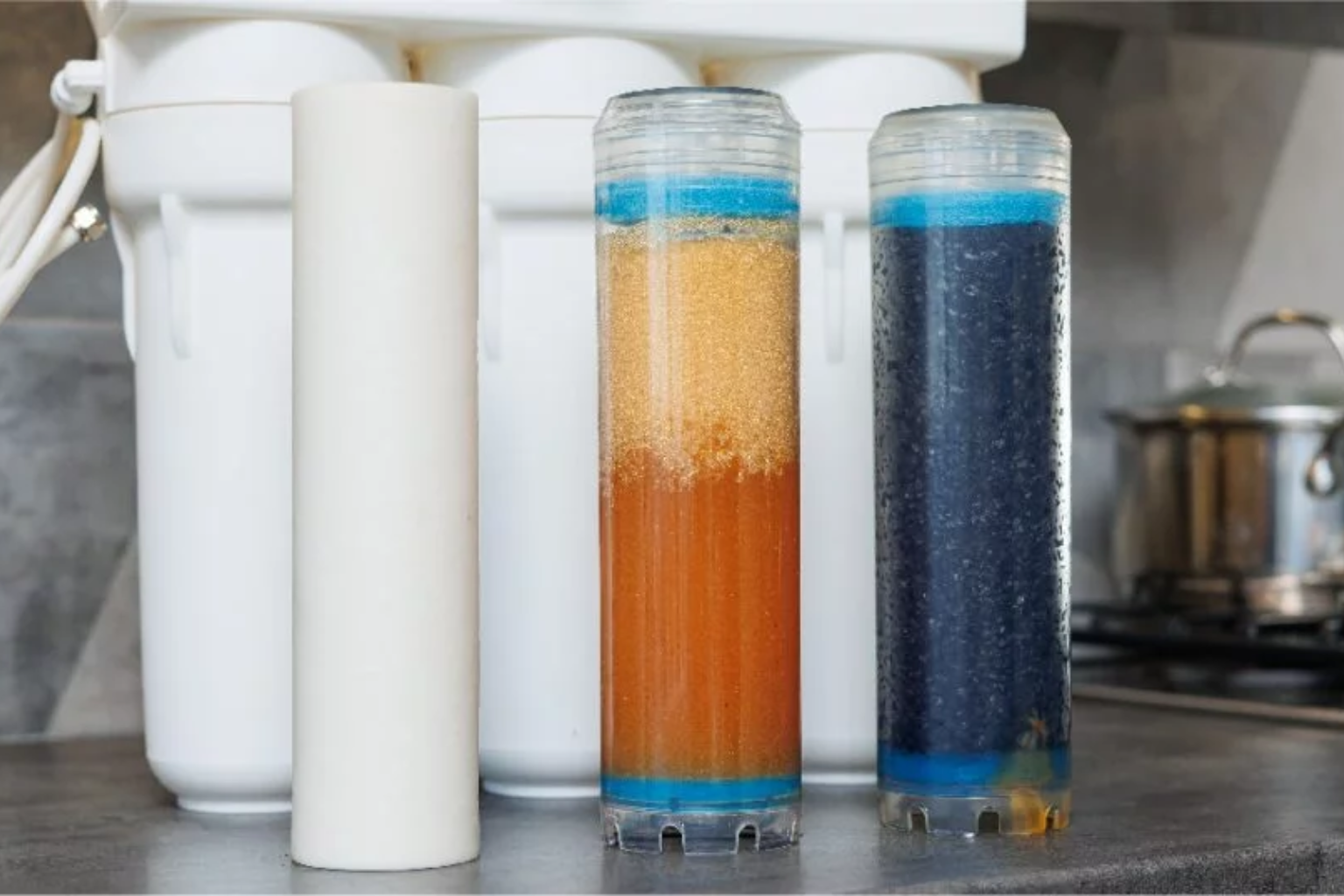
This is where sediment filtration starts to make sense, not as a luxury, but as a practical first step. Sediment isn’t always harmful, but it’s disruptive. It scratches fixtures, clogs appliances, and interferes with other filtration methods downstream.
Removing particles early helps everything else work better. It’s less about perfection and more about preventing unnecessary wear.
Taste is personal, and water proves it
Even when water looks clear, taste can be the deal-breaker. Some people are more sensitive than others, but once you notice a strange flavor, it’s hard to ignore. Chlorine, in particular, has a way of announcing itself—especially in cold water.
Understanding carbon filter basics helps explain why this matters. Carbon doesn’t just “filter” water in a generic sense. It absorbs compounds that affect taste and odor, smoothing out those sharp edges that make tap water feel harsh.
The result isn’t dramatic. It’s subtle. Water tastes more like water. And that subtlety is exactly why people stick with it.
Why one filter rarely solves everything
A common misconception is that one filter can handle every water issue. In reality, water quality problems tend to layer. You might have sediment and taste issues. Or minerals and odor. Or everything at once.
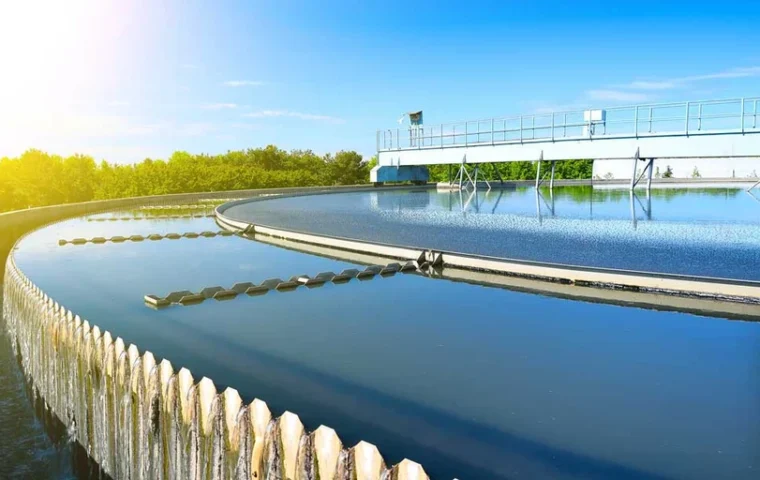
That’s why water treatment works best when it’s approached as a system, not a gadget. Each component handles a specific job, and together they create consistency. Skipping steps or relying on a single solution often leads to disappointment, not because the technology failed, but because expectations were mismatched.
Good water treatment is about alignment.
The deeper dive into purification
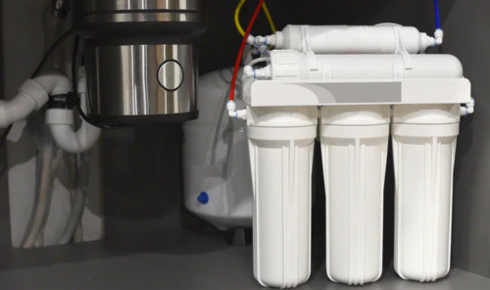
For homeowners focused primarily on drinking water, especially taste and purity, reverse osmosis systems often enter the conversation. These systems work differently than basic filters, using pressure to remove a wide range of dissolved substances.
What draws people to this approach isn’t fear—it’s control. RO systems provide a high level of consistency at the tap, which matters for families who cook a lot, make baby formula, or simply want predictable water every day.
That said, they’re not always necessary for the whole house. Many people choose them specifically for drinking water, while addressing other issues elsewhere.
Avoiding the “more is better” trap
Once you start learning about filtration, it’s easy to overdo it. Add another stage. Then another. Chase purity instead of practicality. But water that’s stripped of everything can feel flat or even aggressive to plumbing.
Balance matters. The goal isn’t to remove every molecule that isn’t H₂O. It’s to remove what causes problems and leave the rest alone. Thoughtful filtration respects water’s role instead of trying to reinvent it.
The best systems feel boring once they’re installed—and that’s a compliment.
How better water changes daily routines
What surprises many homeowners isn’t how their water looks or tastes after improvements, but how life around it changes. Soap lathers more easily. Dishes come out cleaner. Appliances run quietly without constant maintenance.
People drink more water without realizing it. Bottled water purchases fade away. Cleaning takes less effort. These aren’t dramatic shifts, but they’re persistent. Over time, they add up to less friction and fewer annoyances.
Water starts supporting daily life instead of subtly working against it.
Thinking long-term instead of reacting
Water issues rarely demand immediate action, which is why they’re often postponed. But they’re cumulative. Sediment builds slowly. Taste changes gradually. Wear happens quietly.
Taking a long-term view—testing, understanding, addressing problems step by step—leads to better outcomes than reactive fixes. You spend less. You replace fewer things. You feel more confident in your choices.
And confidence changes how a home feels.
When water fades into the background again
The ultimate goal of any filtration decision isn’t excitement. It’s invisibility. When water behaves the way it should, you stop thinking about it. You stop compensating. You stop questioning.
You pour a glass and trust it. You run appliances without worry. You stop noticing residue because there isn’t any.
That’s when you know it’s working.
A quiet ending, because water deserves one
Understanding water filtration doesn’t mean turning your home into a lab or chasing perfection. It means noticing patterns, asking better questions, and choosing solutions that fit your life—not someone else’s checklist.
Good water doesn’t ask for attention. It shows up every day, quietly doing its job, supporting everything else without complaint. And once it’s doing that, you’re free to forget about it again.
Sometimes, the best improvements are the ones you never have to think about twice.