There’s a strange moment that sneaks up on people. It doesn’t come with a warning, no dramatic change—just a tiny pause. You pour a glass of water, take a sip, and something feels… slightly off.
Not bad. Not alarming. Just different.
And once that thought enters your mind, it’s hard to shake. You start noticing things you never paid attention to before. The smell, the taste, the way it leaves a faint film on your glass. Water, something that used to feel invisible, suddenly has presence.
The Invisible Journey of Water
We often assume water is simple. It comes from a source, gets treated, and arrives at our tap. Clean and ready.
But in reality, it travels quite a distance—through pipelines, storage tanks, and local systems that vary from place to place. Along the way, it can pick up traces of minerals, chemicals, or particles that weren’t part of its original composition.
Most of these aren’t immediately harmful, which is why we rarely question them. Still, they can affect the overall experience in subtle but noticeable ways.
This is where the idea to remove contaminants becomes more practical than paranoid. It’s not about expecting perfection. It’s about reducing what doesn’t belong, so the water feels closer to what it should be.
The Small Signs That Add Up
If you think about your daily routine, water touches almost everything.
You drink it, cook with it, bathe in it, wash your clothes and dishes with it. So when something isn’t quite right, the signs show up in unexpected places.
A kettle that builds scale too quickly. Clothes that feel stiff after washing. Soap that doesn’t lather properly. Even your skin might feel drier than usual after a shower.
None of these scream “problem.” But together, they tell a story.
And it’s usually not about one big issue—more like a collection of small imbalances.
Understanding What Purification Really Means
When people hear the term water purification, they often imagine something extreme—like stripping water down to its purest form.
But in a home setting, purification is more about balance.
It’s about reducing chlorine that affects taste, filtering out sediment that clouds the water, or limiting certain dissolved substances that build up over time. It’s not about making water “perfect,” but making it better suited for everyday use.
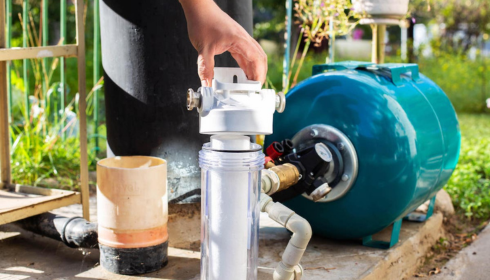
Different methods serve different purposes. Carbon filters improve taste and odor. Reverse osmosis systems target dissolved impurities. UV purification deals with microorganisms.
The challenge isn’t finding a solution—it’s understanding which one fits your situation.
Why Water Quality Feels Personal
Here’s something people don’t always talk about: water quality isn’t just technical—it’s personal.
Two homes in the same neighborhood can experience water differently. One might deal with hard water, another with a strong chlorine taste. It depends on infrastructure, plumbing, and even seasonal changes.
That’s why improving water quality isn’t about copying what someone else did. It’s about paying attention to your own experience.
What are you noticing? What feels off? These questions matter more than any product description.
The Subtle Improvements That Follow
When you make even a small change to your water setup, the results aren’t dramatic—but they’re steady.
Water tastes cleaner, though you might struggle to describe exactly how. Your tea looks clearer. Your appliances seem to run a little smoother, without constant buildup.
Even daily habits shift in quiet ways. You drink more water without thinking about it. You stop second-guessing what’s coming out of the tap.
It’s not a transformation you show off. It’s one you feel.
Starting Simple (And Staying Practical)
If you’re thinking about improving your water, the best place to start isn’t with a big purchase—it’s with awareness.
Notice the details. Taste, smell, visible residue. If possible, get your water tested. Even a basic understanding can point you in the right direction.
From there, focus on practical solutions. You don’t need the most advanced system available. You need something that addresses your specific concerns.
Sometimes that’s a simple filter. Sometimes it’s a combination of systems. Either way, it should feel manageable, not overwhelming.
A Quiet Upgrade That Becomes Normal
What’s interesting about better water is how quickly it fades back into the background.
At first, you notice everything—the improved taste, the clarity, the absence of that faint smell. But over time, it becomes your new normal.
You stop thinking about it again.
And maybe that’s the real goal. Not to obsess over water, but to trust it completely. To pour a glass, take a sip, and move on—without that moment of doubt creeping back in.
Because in the end, water should feel simple. Reliable. Quietly right.