Recovery after stem cell transplantation does not end when the hospital stay is over. For patients who develop graft-versus-host disease (GvHD), recovery becomes an extended phase of monitoring, adaptation, and gradual immune balance. Follow-up care is essential because the immune system remains highly dynamic long after transplantation, and the body needs time to establish stability between donor cells and host tissues.
Specialized follow-up programs at Liv Hospital focus on supporting this transition period, ensuring that recovery is not only about survival but also about rebuilding long-term health and daily function.
Understanding the Recovery Phase in GvHD
Graft-versus-host disease occurs when donor immune cells recognize the recipient’s tissues as foreign. Even when acute symptoms are controlled, the immune system may remain sensitive for months or years. Recovery is therefore measured by immune regulation rather than symptom disappearance alone.
During follow-up, clinicians assess whether inflammation is resolving, remaining stable, or evolving into a chronic pattern. This ongoing evaluation allows care teams to adjust medications and supportive therapies before complications escalate.
Monitoring Immune Balance Over Time
One of the primary goals of follow-up care is to observe how well the donor immune system adapts to the host environment.
Blood and immune markers
Routine blood tests help track immune cell recovery, inflammation levels, and organ function. Changes in these markers often appear before symptoms do, making early intervention possible.
Organ-specific surveillance
Skin, liver, gastrointestinal tract, lungs, and eyes are commonly affected by GvHD. Regular assessments allow clinicians to identify subtle changes that may signal immune activity even when patients feel well.
This structured monitoring approach is central to Stem Cell Graft versus host Recovery and Follow-up, where long-term safety depends on proactive observation rather than reactive treatment.
Medication Adjustment and Long-Term Safety
Immunosuppressive therapy is often required during recovery, but long-term use carries risks such as infection, bone loss, metabolic changes, and cardiovascular strain.
Follow-up visits focus on:
- Gradual medication tapering when immune stability allows
- Identifying side effects early
- Balancing immune control with overall physical resilience
This step-by-step approach minimizes sudden immune flares while reducing long-term complications associated with prolonged suppression.
Infection Prevention as a Core Follow-up Priority
Even when GvHD symptoms improve, infection risk may remain elevated. Follow-up care includes continued evaluation of immune competence, vaccination planning, and education on early warning signs of infection.
Patients are guided on when routine activities can be resumed safely and when additional precautions are necessary. This ongoing education empowers patients to participate actively in their own recovery.
Functional Recovery and Quality of Life
Recovery from GvHD is not limited to immune markers. Fatigue, muscle weakness, joint stiffness, dry eyes, and skin sensitivity can persist and affect daily living.
Physical rehabilitation
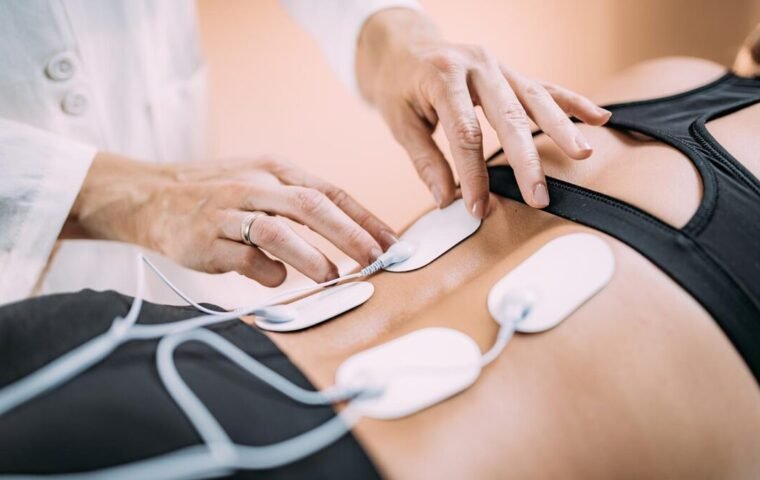
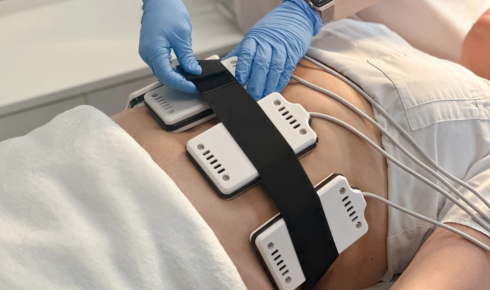
Targeted physiotherapy supports mobility, joint flexibility, and endurance, helping patients regain independence gradually.
Nutritional support
Digestive involvement or long-term medication use may alter nutrient absorption. Nutritional monitoring helps maintain strength and healing capacity.
Psychological follow-up
Living with an unpredictable immune condition can create emotional strain. Mental health support during follow-up helps patients manage uncertainty and regain confidence in daily routines.
Long-Term Risk Awareness and Survivorship Care
Patients recovering from GvHD have a higher long-term risk of secondary health issues, including metabolic disorders, bone density loss, and certain cancers. Survivorship-focused follow-up ensures that screening and prevention strategies are built into ongoing care rather than addressed only when problems arise.
This holistic model recognizes recovery as a continuum rather than a fixed endpoint.
Supporting Recovery Beyond the Clinic
Successful follow-up care extends into daily life, where routines, sleep quality, stress levels, and physical activity influence immune regulation. Lifestyle-focused resources such as live and feel can complement clinical follow-up by supporting habits that promote balance, resilience, and long-term wellbeing during recovery.