Pain shrinks a person’s world, transforming daily tasks like climbing stairs into exhausting challenges. Discomfort acts not merely as a temporary symptom, but as an unwelcome companion that influences routine decisions and relationships.
Pain affects every individual differently, even among patients sharing identical medical conditions. This variation forces healthcare providers to look beyond conventional medications and evaluate direct, sustainable solutions. Device-based therapies address this need by targeting neural pathways directly to deliver personalized, long-term relief.
Healthcare evolution shifts clinician perspectives from temporary symptom suppression toward targeted intervention.
Understanding the Growing Need for Pain Management Solutions
Pain drives millions to seek medical care, with prevalence rising alongside aging demographics. Back pain, neuropathic pain, arthritis, and post-surgical discomfort frequently resist conventional treatment. Medications offer partial relief, yet introduce significant concerns regarding tolerance, side effects, and long-term dependency.
Device-based therapies modify nerve activity and stimulate targeted tissues to alter natural pain-processing mechanisms directly. Patients gain treatment options that restore personal independence while minimizing unwanted chemical complications.
Market Growth Reflects Rising Demand
Industry projections from market research firm Roots Analysis clearly reflect the growing role of pain management devices. According to their recent report, the global pain management devices market reached USD 8.39 billion in 2025. Roots Analysis forecasts that the sector will reach USD 8.84 billion in 2026 and expand to USD 13.32 billion by 2035, growing at a 9.6% CAGR. Their findings highlight strong clinical confidence as providers and patients shift toward non-pharmacological options.
What Are Pain Management Devices?
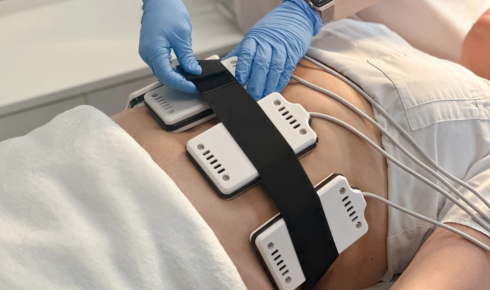
Pain management devices encompass diverse technologies designed to alter pain transmission through physical or neurostimulatory mechanisms. Key modalities identified in healthcare research include:
- Spinal cord stimulators
- Transcutaneous electrical nerve stimulation (TENS) systems
- Peripheral nerve stimulators
- Radiofrequency ablation devices
- Intrathecal drug delivery systems
These devices interrupt or modify neural pain signals before they reach the brain. Safe modulation requires sophisticated engineering and accurate patient selection to deliver life-changing functional improvement.
The Rise of Neuromodulation
Neuromodulation represents a rapidly expanding area within pain management. Small, implanted devices deliver controlled electrical impulses to specific spinal cord regions, altering signal transmission. Physicians adjust stimulation parameters to fit unique patient profiles, aligning directly with precision medicine practices.
Addressing Long-Term Medication Challenges
Global healthcare systems recognize the substantial risks associated with prolonged opioid reliance, including dependency and adverse effects. Devices offer a critical complement to traditional care. Combining devices, physical therapy, behavioral interventions, and managed medications creates an effective multimodal treatment model.
Technological Advances in Smart Devices
Modern systems incorporate wireless connectivity, rechargeable power sources, miniaturized hardware, and adaptive programming. Advanced units adjust therapy dynamically based on real-time activity levels. Integrating artificial intelligence and predictive data analytics will further optimize stimulation patterns automatically.
Limitations to Broader Adoption
- High initial device and surgical procedure costs
- Regional disparities in specialized care access
- Variable individual patient response rates
- Ongoing battery maintenance and monitoring requirements
Conclusion
Pain management devices provide individualized solutions for patients who have exhausted conventional drug options. By directly targeting pain-transmitting neural mechanisms, these technologies restore mobility, comfort, and personal independence.