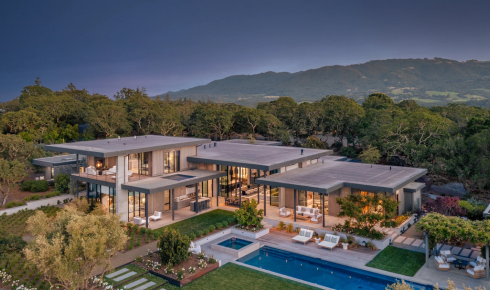
When people walk into a home for the first time, their reaction is rarely based on square footage or technical details. Instead, it is driven by how the space feels. Lighting, layout, color balance, and furniture placement quietly influence how visitors imagine themselves living in the home. This is why interior design plays such a powerful role in the real estate experience.
In today’s housing market, buyers are not only searching for property; they are looking for environments that reflect their lifestyle. A well-designed interior does more than look appealing—it guides how people interact with a space and how they emotionally connect with it.
The Psychology Behind First Impressions
Research in behavioral psychology shows that people often form impressions within seconds of entering a new environment. In homes, this response is shaped by visual harmony, natural light, and spatial flow.
Interior designers often use several techniques to create a welcoming first impression:
- Balanced color palettes that make rooms feel cohesive
- Furniture placement that improves movement through the space
- Lighting layers that highlight architectural features
- Minimal visual clutter that allows the room’s purpose to stand out
When these elements come together, visitors naturally perceive the space as more comfortable and functional.
Why Design Matters in Property Presentation
In real estate, presentation can significantly affect how buyers interpret a home’s value. Two homes with identical layouts can create completely different reactions depending on their interior presentation.
Thoughtful interior design can help clarify the purpose of each room and reveal possibilities that buyers might not otherwise notice. For example, a spare room might be interpreted as wasted space unless it is styled as a home office, reading room, or guest suite.
By visually defining how a room can be used, design helps buyers imagine their daily routines unfolding within the home.
Creating Spaces That Tell a Story
One of the most effective principles in interior design is storytelling. Rather than decorating rooms randomly, designers create a visual narrative that connects each area of the home.
This narrative might be expressed through:
- Consistent textures and materials throughout the house
- Complementary color tones that transition smoothly from room to room
- Repeated design elements such as wood accents or metal fixtures
When a home feels visually connected, it becomes easier for visitors to picture themselves living there.
Design Trends Influencing Modern Homes
Interior design evolves with changing lifestyles. Several trends currently shaping residential interiors reflect how people use their homes today.
Multi-functional spaces
Many homeowners now expect rooms to serve multiple purposes. A dining room may double as a workspace, while a living room may include reading or media areas.
Natural materials and textures
Stone, wood, linen, and other organic materials have become popular because they add warmth and authenticity to modern interiors.
Neutral foundations with subtle contrast
Neutral palettes remain popular, but designers often introduce depth through layered textures, accent lighting, and carefully selected statement pieces.
Open yet defined layouts
While open floor plans remain common, designers increasingly create subtle boundaries between areas using rugs, lighting, or furniture placement.
These design approaches help homes feel both contemporary and adaptable to different lifestyles.
How Design Influences Emotional Connection
Beyond aesthetics, interior design shapes how people emotionally connect with a space. Comfortable seating arrangements encourage conversation. Soft lighting promotes relaxation. Organized layouts reduce visual stress.
These subtle cues affect how long visitors stay in a room and how they remember the space later.
In many cases, buyers do not consciously recognize these design decisions, yet they strongly influence how appealing the home feels.
The Role of Design in Modern Living
Interior design is often misunderstood as purely decorative, but its real purpose is functional. Good design considers how people move through spaces, how natural light changes throughout the day, and how different rooms support daily activities.
When these elements are thoughtfully planned, a home becomes easier to live in and more enjoyable to experience. Whether someone is preparing a property for sale or simply improving their living environment, the principles of interior design help transform ordinary spaces into places that feel intentional, comfortable, and memorable.