Few cosmetic procedures have been talked about as much as hair transplants, and few are as misunderstood. The terminology alone causes confusion: FUE, DHI, sapphire blades, micro-motors. Clinics use the labels freely, and patients are left guessing which differences are real and which are marketing. A short, plain-language walk through the main methods helps cut through it.
The basic idea behind every transplant
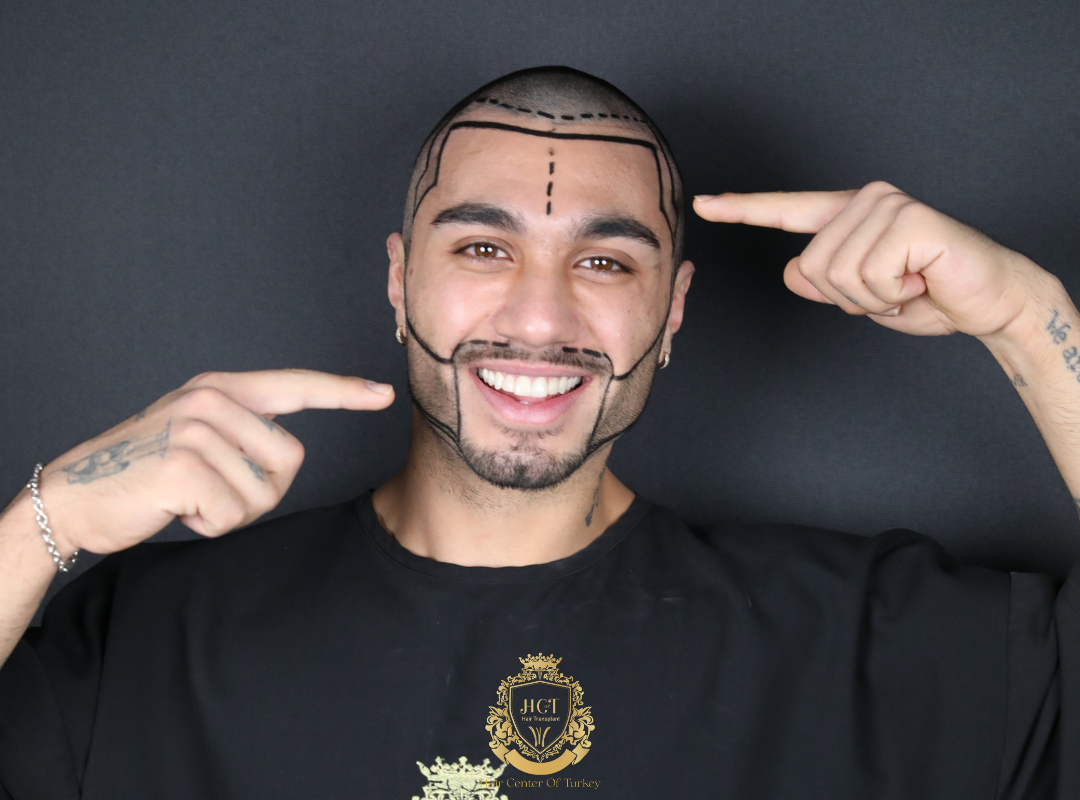
Every modern hair transplant works on the same principle. Hair follicles are taken from a donor area, usually the back and sides of the scalp where hair tends to be more resistant to thinning, and placed into the areas that need coverage. The differences between techniques lie in how the follicles are extracted and how they are implanted, not in the underlying idea.
That matters because it shifts the question. Instead of asking which method is “better”, it is more useful to ask which method suits a particular scalp, a particular pattern of loss and a particular expectation.
Extraction and implantation: two separate steps
With FUE, individual follicular units are removed one at a time, which avoids the linear scar associated with older strip surgery. The recipient channels are then created and the grafts placed. Sapphire FUE uses a blade made of sapphire to open those channels, which some surgeons prefer because of the fine, consistent incisions it allows.
DHI takes a different route at the implantation stage. Rather than opening channels first, the graft is loaded into a pen-like implanter and placed directly. For anyone curious about the mechanics, this explanation of how the DHI method works sets out the steps in order and describes who it tends to suit.
What actually decides the technique
- The density and condition of the donor area.
- The size of the area to be covered and how much hair is realistically available.
- Hair type, curl and thickness, which affect how grafts are handled and placed.
- The surgeon’s experience with the chosen method.
- Personal priorities, such as whether shaving the head is acceptable.
No single technique wins in every case. A good assessment looks at the scalp first and the brochure second.
Choosing who does the work
A transplant is a medical procedure, so the practical questions matter as much as the technique. Who carries out the extraction and implantation? In what kind of facility? What does aftercare look like once you leave? Providers in Istanbul’s medical travel sector vary widely on these points. One example is Turkey Hair Center, a Ministry of Health authorised health tourism company where the company’s own team performs the procedures in partner hospitals and polyclinics in Istanbul. It offers FUE, sapphire FUE and DHI, so patients can discuss the options against their own assessment rather than a fixed menu. Its four packages range from $2,550 to $4,500.
Setting realistic expectations
Transplanted hair does not look finished on day one. Shedding of the implanted hairs in the first weeks is a normal part of the cycle, and visible growth takes months to develop. Outcomes vary between individuals, and the surgical team’s aftercare instructions, from washing routines to avoiding strenuous activity early on, play a real part in how the scalp heals.
The healthiest way to approach the subject is with curiosity and a list of questions. A provider who answers them clearly, in writing, and without pressure is usually a better sign than any single technique name on a price list.