Living in Arizona offers year-round sunshine, vibrant outdoor lifestyle opportunities, and breathtaking desert landscapes. However, the relentless solar radiation and dry, arid air present continuous challenges for skin health. The region experiences an abnormally high Ultraviolet (UV) index throughout most of the year, coupled with near-zero relative humidity. This environmental combination accelerates skin dehydration, breaks down vital structural proteins like collagen and elastin, and triggers premature hyperpigmentation.
Maintaining radiant, healthy skin in the Sonoran Desert demands more than standard daily moisturizing and occasional sunblock application. Protecting the skin barrier requires an intentional, multi-layered daily strategy combined with target-driven clinical aesthetic care. Understanding how environmental stressors impact cellular health is the first step toward tailoring an effective regime designed specifically for desert living.
The Science of Solar Radiation and Desert Skin Damage
Sunlight reaching the surface of the Earth consists primarily of two types of ultraviolet rays that directly affect cutaneous biology: Ultraviolet A (UVA) and Ultraviolet B (UVB). In high-altitude, low-cloud-cover regions like Arizona, exposure to both wavelengths remains intense across all four seasons.
UVA Rays: Silent Biological Aging
UVA rays account for approximately 95% of the UV radiation reaching the skin. These long-wavelength rays penetrate deep into the dermal layer, where they generate reactive oxygen species (ROS), commonly known as free radicals. Free radicals cause oxidative stress, damaging cellular DNA and breaking down matrix proteins. Over time, chronic UVA exposure degrades collagen fibers, leading to deep wrinkles, loss of elasticity, sagging, and structural weakening of the skin matrix.
UVB Rays: Surface Damage and Inflammatory Cascades
UVB rays feature shorter wavelengths that primarily target the epidermis, the outermost protective skin layer. UVB radiation is directly responsible for solar erythema, commonly known as sunburn. Beyond immediate redness and inflammation, UVB exposure damages epidermal cell DNA, destabilizes the lipid moisture barrier, and stimulates melanocytes to produce excess melanin, resulting in sunspots, freckles, and uneven skin tone.
The Dual Threat: Intense Sun combined with Arid Humidity
While solar radiation inflicts direct cellular damage, Arizona’s chronically low humidity exacerbates moisture depletion through Trans-Epidermal Water Loss (TEWL). When atmospheric humidity drops below 30%, ambient air aggressively draws moisture out from the stratum corneum.
When TEWL accelerates:
- Barrier Impairment: The skin loses essential lipids, leaving micro-fissures in the stratum corneum that allow environmental irritants to enter easily.
- Textural Changes: Dehydrated skin loses volume, making fine lines and dynamic wrinkles appear more pronounced.
- Sensitivity and Inflammation: Compromised barriers trigger localized inflammation, leading to redness, flaking, and heightened reactivity to active ingredients.
Navigating this climate requires balancing deep hydration with potent antioxidant defense and relentless broad-spectrum photo-protection.
Key Pillars of an Ideal Desert Skincare Regime
Adapting a daily routine for high-UV, low-humidity environments involves selecting formulations that defend against oxidative damage, bind moisture to skin cells, and shield against solar energy.
1. Broad-Spectrum Sunscreen Application and Reapplication
A broad-spectrum SPF 30 or higher is non-negotiable. Physical or mineral sunscreens containing zinc oxide or titanium dioxide are particularly beneficial for desert residents because they reflect UV radiation away from the skin without generating thermal heat within dermal tissue. Applying sunscreen generously every morning and reapplying every two hours during outdoor exposure provides consistent cellular protection.
2. Layering Antioxidants for Cellular Defense
Sunscreens block a large percentage of UV light, but free radicals can still form from residual exposure and ambient heat. Incorporating topical antioxidants, such as Vitamin C (L-ascorbic acid), Vitamin E, and Ferulic Acid, neutralizes free radicals before they degrade healthy tissue. Applying an antioxidant serum under morning sunscreen strengthens overall environmental defense.
3. Barrier Maintenance with Humectants and Occlusives
Hydrating desert skin requires a two-step approach: attracting water into skin layers and sealing it in. Humectants like hyaluronic acid and glycerin draw moisture deep into the epidermis. Following humectants with lipid-rich emollients or occlusives—containing ceramides, fatty acids, and squalane—locks moisture into the stratum corneum, preventing rapid atmospheric evaporation.
Professional Treatments for Environmental Rejuvenation
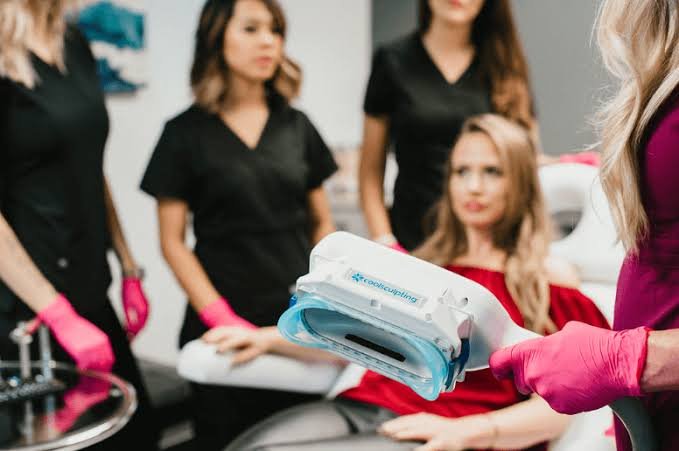
While home care maintains surface hydration and basic protection, corrective repair often requires professional medical aesthetic interventions. Specialized clinical procedures counteract deep sun damage, clear accumulated pigmentation, and stimulate dormant collagen synthesis.
When addressing cumulative environmental wear, consulting a professionalmed spa in Glendale AZ provides access to targeted aesthetic modalities capable of reversing sun-induced structural changes:
- Photofacials and IPL Therapy: Intense Pulsed Light (IPL) targets excess melanin deposits beneath the skin surface, breaking up sunspots, age spots, and diffuse redness caused by broken capillaries.
- Chemical Peels: Custom professional peels exfoliate damaged epidermal layers, clearing away dead skin cells, promoting rapid cellular turnover, and restoring natural radiance.
- Microneedling: By creating controlled micro-injuries in the dermis, microneedling triggers natural wound-healing responses, stimulating fresh collagen and elastin production to replace sun-damaged tissue.
- Advanced Hydrating Facials: Specialized clinical facials infuse essential nutrients, peptides, and concentrated hyaluronic acid deep into the dermal layers to restore elasticity and repair dry skin barriers.
Integrating professional-grade clinical procedures with a disciplined daily skincare routine ensures long-term protection, resilience, and vitality against harsh desert elements.
Conclusion
Thriving in Arizona’s sun-drenched climate requires an active approach to skin health. High UV indexes and arid atmospheric conditions accelerate thermal aging, dry out protective barriers, and promote uneven pigmentation. By establishing a foundational daily regimen rich in broad-spectrum sun protection, antioxidant serums, and barrier-restoring moisture, complemented by periodic clinical aesthetic treatments, you can shield your skin from environmental damage and maintain a youthful, radiant complexing year-round.