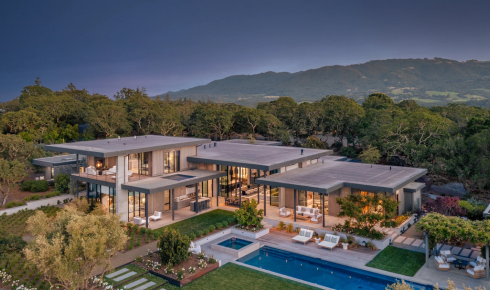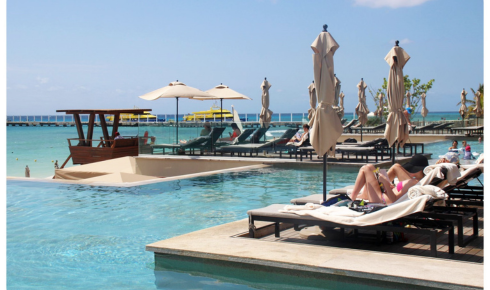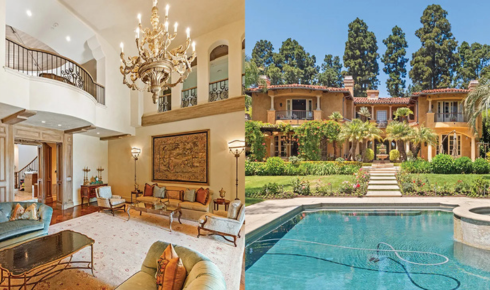
California has long been synonymous with luxury real estate. From oceanfront estates in Malibu to sprawling vineyard properties in Napa Valley and ultra-modern mansions in Beverly Hills, the state offers some of the most desirable high-end properties in the world. But luxury real estate in California is more than just price—it’s defined by lifestyle, innovation, exclusivity, and long-term value.
In 2025 and beyond, the luxury housing market in California continues to evolve, shaped by changing buyer expectations, economic trends, and the state’s unique blend of natural beauty and global influence.
What Defines Luxury Real Estate in California?
Luxury real estate in California typically refers to properties in the top 10% of the market by price. In many areas, that means homes priced at $2 million and above, though in elite markets like Los Angeles or San Francisco, luxury often begins at $5 million or more.
However, price alone doesn’t define luxury. High-end California homes are characterized by:
- Prime locations (coastal, hillside, or exclusive gated communities)
- Architectural uniqueness and design excellence
- Expansive square footage and privacy
- Premium amenities such as pools, wine cellars, and home theaters
- Smart home technology and sustainable features
Today’s luxury buyers are not just purchasing a home—they are investing in a lifestyle experience.
Key Luxury Markets Across California
California’s luxury real estate landscape is diverse, with several regions standing out for their prestige and demand.
Los Angeles and Beverly Hills
Los Angeles remains one of the most sought-after luxury markets in the world. Neighborhoods like Beverly Hills, Bel Air, and Malibu attract celebrities, executives, and international buyers. Despite challenges like new taxes and natural disasters, the market remains resilient, with continued demand for high-end properties.
San Francisco and Silicon Valley
Driven by the tech industry, Northern California continues to see strong demand for luxury homes. High-income buyers often view real estate as both a status symbol and a stable investment, especially during periods of stock market growth.
Napa Valley and Wine Country
For buyers seeking tranquility and lifestyle, Napa Valley offers vineyard estates, scenic landscapes, and a slower pace of life. These properties are often used as second homes or long-term investment assets.
San Diego and Coastal Communities
San Diego has emerged as a growing luxury hotspot, offering ocean views, year-round sunshine, and relatively more space compared to Los Angeles. High-end sales in coastal areas continue to climb as buyers look for lifestyle-driven investments.
Current Trends Shaping the Luxury Market
The California luxury real estate market is not static—it’s constantly evolving based on buyer preferences and broader economic forces.
1. Demand for Privacy and Space
Luxury buyers are increasingly prioritizing privacy, gated properties, and larger lots. Whether it’s a hillside estate or a secluded beachfront home, the desire for personal space has become a defining feature of high-end real estate.
2. Sustainability and Eco-Friendly Design
Modern luxury homes are incorporating green building materials, solar energy systems, and energy-efficient designs. Sustainability is no longer a bonus—it’s becoming a standard expectation among affluent buyers.
3. Smart Home Technology
Technology plays a major role in today’s luxury homes. Integrated systems for lighting, security, climate control, and entertainment are now essential features rather than upgrades.
4. Wellness-Focused Living
Luxury homes increasingly include wellness amenities such as home gyms, saunas, cold plunges, and advanced air filtration systems. This trend reflects a broader shift toward health-conscious living among high-net-worth individuals.
5. Limited Inventory and Strong Demand
California continues to face a long-term housing shortage, which has helped sustain high property values. Limited inventory combined with strong demand keeps luxury home prices elevated and competitive.
Investment Potential of Luxury Real Estate
Luxury real estate in California is not just about lifestyle—it’s also a strategic investment.
High-end properties tend to hold value well over time, especially in prime locations. Even as the broader housing market experiences fluctuations, the ultra-luxury segment—homes priced above $10 million—has shown strong growth and resilience.
Additionally, luxury homes often attract cash buyers or buyers with significant financial resources, making transactions less sensitive to interest rate changes compared to the general market.
However, investors should also consider factors such as:
- Property taxes and local regulations
- Insurance costs, particularly in wildfire-prone areas
- Market-specific trends and demand shifts
Changing Buyer Demographics
A new generation of buyers is reshaping the luxury real estate market. Younger high-income professionals—often referred to as “HENRYs” (High Earners, Not Rich Yet)—are entering the market earlier and redefining what luxury means.
These buyers tend to prioritize:
- Modern design over traditional grandeur
- Location and lifestyle over sheer size
- Long-term value and personal identity
Many are skipping starter homes altogether and purchasing luxury properties as their first major investment, signaling a shift in how wealth is deployed in real estate.
Challenges in the California Luxury Market
While the luxury sector remains strong, it is not without challenges.
Regulatory Environment
Policies such as transfer taxes on high-value properties can impact transaction volume and influence buyer behavior. In Los Angeles, for example, additional taxes on luxury home sales have contributed to a slowdown in certain segments of the market.
Climate and Insurance Risks
Wildfires and other environmental risks have increased insurance costs and introduced new considerations for buyers. As a result, many luxury homes now include fire-resistant materials and advanced safety features.
Migration Trends
Some high-net-worth individuals are exploring markets outside California due to taxes and regulatory constraints. However, California continues to attract global buyers due to its unmatched lifestyle, economy, and cultural influence.
The Future of Luxury Real Estate in California
Looking ahead, California’s luxury real estate market is expected to remain a global leader. While there may be shifts in where buyers choose to invest, the core appeal of California—its climate, innovation, and prestige—remains unchanged.
Future developments will likely focus on:
- Ultra-personalized, custom-built homes
- Greater integration of AI and smart technologies
- Climate-resilient construction
- Multi-generational living spaces
Ultimately, luxury real estate in California is about more than owning property—it’s about owning a piece of one of the most desirable and influential regions in the world.
Final Thoughts
Whether you’re a buyer, investor, or simply exploring the market, luxury real estate in California offers unmatched opportunities. With strong demand, evolving trends, and a reputation for excellence, the Golden State continues to set the standard for high-end living.
As the market adapts to new technologies, environmental considerations, and shifting demographics, one thing remains clear: California luxury real estate is not just enduring—it’s redefining what modern luxury truly means.