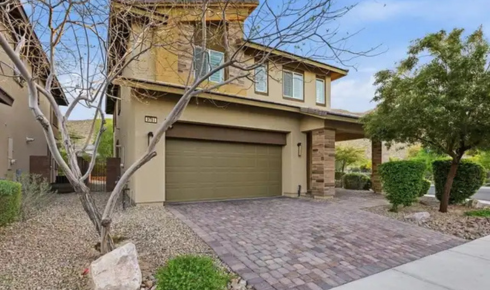
The decision to sell a home rarely happens in a vacuum. It’s usually tied to something bigger — a job change, a financial shift, a family transition, or simply the need to move on from a property that’s become more of a burden than asset. And when speed matters, many homeowners find themselves looking seriously at companies that buy houses for cash as an alternative to the traditional listing route.
It’s a smart thing to investigate. But like any major financial decision, the details matter. Not all cash buyers operate the same way. Not all offers mean what they appear to mean on the surface. And not all sellers know the right questions to ask before signing anything.
This guide is designed to change that. By the end, any homeowner considering a cash sale will have a much clearer picture of how the process actually works, what to watch for, and how to find a buyer worth trusting — including what The Livingstone Group brings to the table for Nevada homeowners.
The Real Reason Cash Sales Have Grown in Popularity
Cash home sales are not a new concept, but they have grown considerably in recent years. According to research from the Federal Reserve Bank of St. Louis, housing inventory and buyer financing conditions fluctuate significantly with interest rate environments — and when financing becomes harder to secure, more sellers and buyers alike shift toward cash transactions to avoid the uncertainty.
Beyond market conditions, the appeal is straightforward. Companies that buy houses for cash remove the most unpredictable elements from the sale: the waiting, the repair demands, the financing contingencies, and the risk of a deal falling apart days before closing because a buyer’s loan fell through.
For a homeowner with a firm deadline or a property that wouldn’t survive a traditional inspection, those removed variables aren’t just convenient — they’re essential. Cash sales offer a defined outcome in a process that’s otherwise full of unknowns.
Five Things to Understand Before Accepting Any Offer
Walking into a cash sale conversation without preparation can lead to outcomes that feel unfair in hindsight. These are the five most important things to understand before engaging with any buyer.
1. The Offer Is Not the Same as the Net Proceeds
On a traditional sale, the seller pays agent commissions (typically five to six percent), closing costs, repair credits, and potentially months of carrying costs while the home sits on the market. With a direct cash sale, most of those expenses disappear. A cash offer that initially looks lower may result in a comparable or even better net outcome once all the deductions of a traditional sale are calculated.
2. As-Is Means As-Is
Reputable companies that buy houses for cash purchase properties in their current condition. There are no repair lists, no staging requirements, and no pre-sale inspections the seller has to pass. The buyer takes on the property as-is and handles any work needed after closing. Sellers should be cautious of any buyer who makes an as-is offer but then comes back with repair credit requests after a walkthrough.
3. Closing Timelines Should Be Flexible
One of the genuine advantages of working with a direct cash buyer is the ability to close on a schedule that fits the seller’s situation. Need to close in a week? That’s often possible. Need six weeks to coordinate a move? A reliable buyer accommodates that too. If a buyer presents a rigid timeline that only serves their interests, that’s worth questioning before moving forward.
4. Contingencies Can Change Everything
An offer labeled as a cash offer is not always unconditional. Some buyers include inspection contingencies, financing clauses (even in supposed cash deals), or performance conditions buried in the contract language. Before accepting anything, sellers should review the offer carefully — or have a real estate attorney do so — to understand exactly what conditions, if any, are attached.
5. Reputation Is Measurable
Companies that buy houses for cash range from established, community-rooted buyers to fly-by-night operations that disappear after a deposit is paid. Verified reviews, local presence, a history of closed transactions, and transparent communication are all indicators that a buyer can be trusted to follow through. If a company is reluctant to provide references or answer basic questions about their process, that’s a signal to look elsewhere.
What a Trustworthy Process Actually Looks Like
Knowing what to look for is one thing. Seeing it in practice is another. A well-run cash sale typically follows a clear sequence that keeps the seller informed and in control at every stage.
The process through The Livingstone Group follows this general structure:
• The homeowner shares basic property details — location, condition, and any relevant context about the situation.
• The team evaluates the property and returns aguaranteed cash offer — no pressure, no obligation to accept.
• The seller reviews the offer, asks any questions, and decides whether to proceed.
• A closing date is chosen based on the seller’s timeline — not the buyer’s convenience.
• The transaction closes as agreed, with funds delivered and no surprise deductions or last-minute changes.
There are no agent commissions taken from the seller’s proceeds. No closing costs passed back to the homeowner. No repair bills to settle before the keys are handed over. What’s offered is what’s received.
For homeowners in Nevada trying to sort through their options, that kind of consistency is exactly what makes certain companies that buy houses for cash worth choosing over others.
Common Situations Where a Cash Sale Is the Clearer Choice
There is no single type of homeowner who benefits from a cash sale — the circumstances vary widely. But certain situations consistently make a direct sale the more practical, less stressful path forward.
• Relocation on a set timeline, where waiting for a traditional buyer isn’t realistic
• Inherited property that the new owner cannot maintain, rent, or afford to carry
• Divorce or separation, where both parties need a clean break from shared assets
• Financial difficulty or early foreclosure risk, where a quick sale protects credit standing
• Properties in poor condition that would require significant investment before listing
• Landlords dealing with difficult tenants who complicate a traditional sale
In each of these scenarios, the value of certainty outweighs the potential upside of waiting for a higher offer on the open market. Companies that buy houses directly exist precisely because these situations are common — and the traditional process was never designed to handle them well.
Making an Informed Decision
Selling a home to a cash buyer is not a shortcut or a compromise — for the right homeowner in the right situation, it’s simply the most practical, efficient, and stress-free way to move forward. The key is approaching the process with clear expectations and enough information to evaluate any offer confidently.
Companies that buy houses directly have earned a growing place in the real estate landscape because they solve real problems for real people. The ones worth working with are transparent, locally accountable, and genuinely focused on making the transaction work for the seller — not just for themselves.
The Livingstone Group has built its reputation in Nevada on exactly that foundation. Homeowners who want to understand their options, ask questions without pressure, or request a no-obligation offer on their property are welcome to reach out anytime. Reach out to The Livingstone Realty today to start a straightforward conversation with a team that puts the seller’s needs first.
Frequently Asked Questions
Is a cash offer always going to be less than the value of a traditional sale?
Not really — and this comparison is something you need to see in a whole new context. With a traditional sale comes agent commissions, closing costs, repair credits post inspection, and months of carrying cost (mortgage, insurance utilities) while once again the home sits on the market. When you deduct those costs from the gross sale price, the net proceeds for a traditional listing may approach or even drop below what a well-prepared cash offer would bring. Every situation is unique therefore running the numbers on both options is always a good idea.
Is the process safe? How do homeowners protect themselves?
The best safeguard is a strong partnership with a trusted, locally accountable buyer. Sellers are advised to carefully assess any offer before signing, verify that the buyer has a credible history of transactions and to have every agreed point recorded in writing. Advising a real estate attorney to examine the purchase contract before signing is not unreasonable for any substantial transaction.
What are properties cash buyers buy?
Legit cash buyers will deal in all kinds of resale residential property, from homes with bad repairs to properties that have tenant problems or owned by heirs or title issues such as liens or code violations. The Livingstone Group generically focuses on Nevada, your market may vary as they work with properties in all conditions — sellers are told to be open and honest about their situation right from the start, which then allows a clear cut answer regarding what can actually occur.