Store-bought gifts are convenient, but they rarely carry the same weight as something made by hand. A handmade gift signals time, thought, and genuine effort in a way that a gift card or a quick online order simply can’t replicate, and it doesn’t require advanced crafting skills to pull off something a recipient will genuinely treasure. Even a modest effort, done thoughtfully, tends to outperform an expensive but impersonal purchase in terms of how genuinely appreciated it feels once opened.
This guide covers handmade gift ideas suited to a range of skill levels and occasions, along with practical tips for making sure a homemade gift actually looks and feels finished rather than rushed.
Reading the Recipient Before Choosing a Project
The best handmade gift isn’t necessarily the most elaborate one, it’s the one that genuinely fits the person receiving it. Someone who loves cooking will likely appreciate a kitchen-focused gift far more than a decorative craft item, while someone who values cozy, sensory experiences at home might respond best to a candle or a fragrant sachet. Taking a moment to think through a recipient’s actual habits and preferences, rather than defaulting to whatever craft you personally enjoy making most, meaningfully increases how well a handmade gift actually lands.
Why Handmade Gifts Land Differently
A handmade gift communicates something a purchased item can’t: that you spent real time and effort specifically for that person, rather than simply spending money. This matters more than people sometimes expect, especially for close friends and family, where the sentiment behind a gift often outweighs its market value entirely.
Baked and Preserved Food Gifts
Homemade jam, flavored honey, spiced nuts, or a batch of cookies packaged attractively in a mason jar with a simple ribbon make an easy, universally appreciated gift. These work particularly well for larger gift-giving occasions like holidays, when you might need several gifts at once and want something that doesn’t require an enormous time investment per person.
● Homemade jam or preserves in small decorative jars
● Flavored honey, infused with herbs, citrus peel, or a cinnamon stick
● Spiced or candied nuts, packaged in a simple paper bag with a tag
● A jar of pre-mixed dry ingredients for cookies or hot cocoa, ready for the recipient to finish themselves
Handmade Candles as a Gift
Few handmade gifts strike the same balance of practicality and personal touch as a candle made specifically for the recipient. You can tailor the scent, color, and container to match someone’s actual taste in a way a mass-produced candle from a store never quite achieves. Once you learn how to make homemade candles, you have a repeatable gift you can customize endlessly, whether that means a favorite scent, a color that matches their home decor, or a container that’s meaningful to them specifically.
Candles also scale well as a gift project. A single afternoon of work can produce enough candles for an entire holiday gift list, something that’s much harder to say about more time-intensive handmade gifts.
Kitchen-Based Gifts Beyond the Basics
Homemade vinegar infusions, flavored salts, or a simple spice blend mixed and packaged attractively all make distinctive kitchen gifts that go beyond the more common jam or cookie route. These work particularly well for recipients who already enjoy cooking, since a thoughtfully made infused oil or custom spice blend often ends up genuinely used in their kitchen rather than set aside and forgotten, which happens more often with purely decorative handmade gifts.
Simple Textile Gifts
Basic sewing skills open up a range of gift options, from a simple embroidered handkerchief to a set of cloth napkins or a small drawstring bag. These don’t require advanced tailoring skills, just patience and a willingness to practice a few basic stitches before starting on the actual gift.
Personalized Photo and Memory Gifts
A handmade photo album, a simple scrapbook, or a framed collection of meaningful photos carries genuine sentimental weight, especially for gifts meant to celebrate a shared history or relationship. These take more planning than some other options on this list, since gathering the right photos and materials takes time, but the payoff in emotional impact is often significant.
Building a Small Gift-Making Station at Home
If handmade gifts become a regular part of how you approach birthdays and holidays, setting up a small dedicated space for gift-making supplies, jars, ribbon, tags, basic craft tools, makes the whole process considerably less stressful when a gift-giving occasion arrives. Rather than scrambling to gather materials at the last minute, having a consistent supply on hand means you can put together a thoughtful handmade gift on relatively short notice whenever the need arises.
Herb and Plant-Based Gifts
A small potted herb plant, a dried herb bundle, or a homemade herbal tea blend makes a gift that keeps giving well past the initial unwrapping. These work especially well for anyone who enjoys cooking, gardening, or simply appreciates having something living to care for.
Matching the Gift to the Occasion
A handmade gift’s impact often depends on how well it fits the specific occasion, not just the recipient. A simple herb sachet might suit a casual hostess gift perfectly while feeling underwhelming for a milestone birthday. Take a moment to think through the weight of the occasion before deciding how much time and material investment a particular handmade gift deserves, matching bigger, more involved projects to bigger moments and simpler ones to smaller, more casual gestures.
Practicing Before the Real Gift
One of the most common mistakes people make with handmade gifts is attempting a technique for the very first time on the actual gift itself. Whether it’s a candle, a baked good, or a sewn item, give yourself at least one practice run beforehand. This practice attempt often becomes useful in its own right, either as something you keep for yourself or as a lower-stakes gift for someone less particular, while the polished, practiced version goes to its intended recipient.
Packaging Matters More Than You’d Think
● Use simple, clean packaging rather than trying to disguise a handmade item as something store-bought
● A handwritten tag or note explaining what went into the gift adds meaningful context
● Reusable containers, like a nice jar or a small wooden box, add value beyond the gift itself
● Consistency across multiple gifts, like matching labels or ribbon, makes a batch of gifts look intentional rather than thrown together
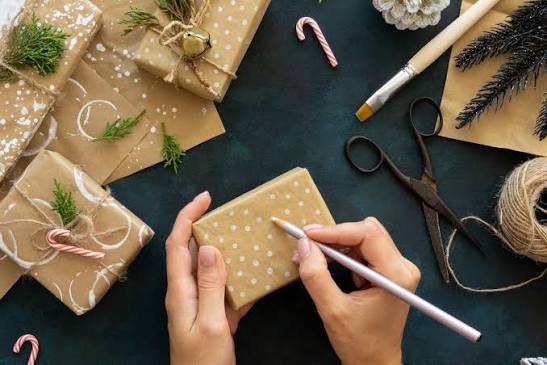
Presentation is where a lot of otherwise wonderful handmade gifts lose some of their impact. A beautifully made item wrapped carelessly in mismatched paper can read as an afterthought, even when enormous effort went into actually making it. Spending just a little extra time on final presentation, a clean label, a simple ribbon, a few sprigs of a relevant herb tucked into the wrapping, closes that gap and helps the finished product feel as intentional as the effort that went into making it.
Handmade gifts don’t need to be complicated to be meaningful. Starting with something approachable, practicing before the actual gift-giving occasion arrives, and putting genuine care into the presentation goes a long way toward making a simple homemade item feel like a truly thoughtful gift, one that a recipient is far more likely to remember fondly than yet another impersonal, store-bought option picked up at the last minute.