A restaurant tenant can shorten the life of a roof it does not own, and the damage usually shows up after the warranty has stopped helping.
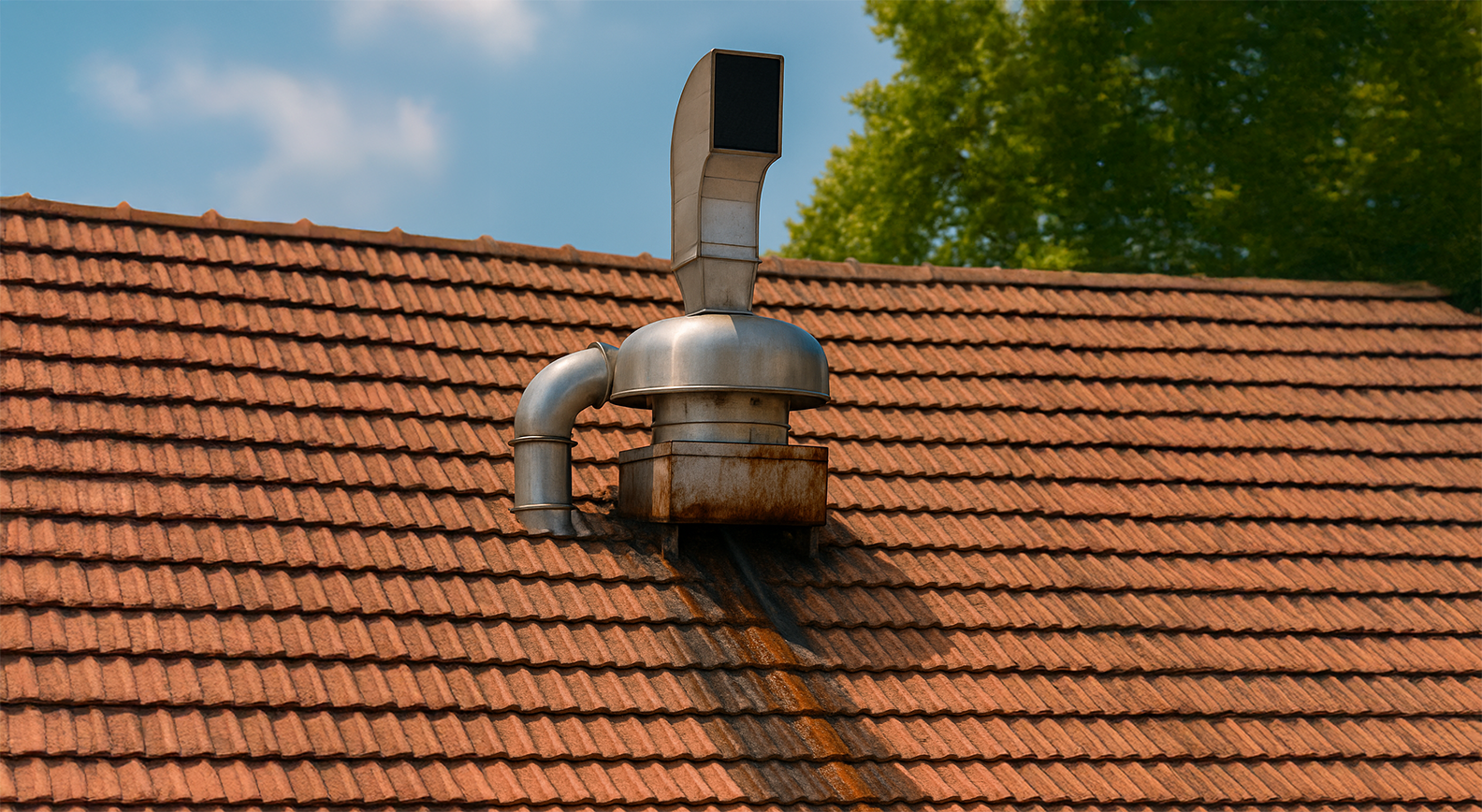
Walk the roof of any strip mall with a restaurant tenant and you can find the kitchen before you find the exhaust fan. The membrane around it goes dark, slick and soft. In winter it gets worse, because grease that runs like oil in August turns into a waxy film that holds dirt and traps meltwater against the surface.
Grease is not a normal roof exposure. Membranes are specified for sun, hail, foot traffic and freeze-thaw. Animal and vegetable fats are a chemical load the spec never accounted for, and they work slowly. That is why owners often find the damage after the warranty conversation has already become awkward.
What grease actually does to a membrane
Different membranes fail in different ways, but the mechanism is the same: fats and oils get into the material and change it. Cured rubber sheet, including EPDM rubber roof membranes in Calgary, swells and softens when oils soak in, then loses strength and lifts at the seams. Thermoplastic sheets can lose the plasticizers that keep them flexible, so they stiffen and crack at the first hard cold snap. Modified bitumen softens, and the surface granules slough off into the grease film.
Some manufacturers sell grease-resistant sheet made for restaurant roofs. It exists for a reason. A standard membrane that was perfectly good for the building as designed may be the wrong choice within a few metres of an upblast fan.
How the grease gets onto the roof
Most commercial kitchens vent through an upblast fan: the hood and duct pull the cooking vapour up through the building and throw it out of the fan at roof level. Some of that vapour condenses on the fan housing and drips down the curb. Some is carried by the wind and settles in a fan-shaped stain downwind. Bow Valley gusts spread that stain wider than owners expect.
Hood cleaning adds to it. When a cleaning crew scrapes the duct and the fan, the residue has to go somewhere. If nobody laid down protection or caught the runoff, it ends up on the membrane in a heavier dose than a month of normal operation.
Containment at the exhaust fan
Containment is cheap compared with a membrane replacement, and it is the single best fix. A proper setup includes a few simple pieces:
- A grease containment tray or cup fitted to the fan base, so drips go into a catch and not onto the roof.
- Absorbent pads or a lined collection box that gets changed on a schedule, because a full pad does nothing.
- A hinged fan base, so crews can tilt the fan for cleaning without dragging the housing across the membrane.
- A protected walkway from the access point to the fan, so foot traffic and spilled degreaser stay off bare sheet.
None of this works unless someone owns the routine. A containment cup that nobody empties turns into an overflow cup within a season. Write the pad change into the cleaning contract so it happens every visit.
Who is responsible in a strip mall
The landlord usually owns the roof and the tenant produces the grease. Most commercial leases deal with this in some way, but the wording varies a great deal. Some leases make the tenant responsible for roof damage caused by its equipment. Others fold roof cost into common area charges, which means every other tenant in the plaza helps pay for one kitchen.
Have counsel read the lease language before there is a dispute, not after. Practical steps help either way. Photograph the roof around the fan before a restaurant tenant moves in. Require that any new exhaust fan, curb or duct penetration be installed with the building’s roofing contractor present, so the flashing is done by the people who stand behind the membrane. A fan added by the tenant’s mechanical contractor with a bead of sealant around the curb is a leak waiting for a thaw.
Cleaning schedules and roof checks
Hood and duct cleaning frequency is set by how much and what kind of cooking the kitchen does. A solid-fuel or high-volume fryer operation needs far more frequent cleaning than a sandwich shop. The fire code standard for commercial kitchen exhaust sets the intervals, and the kitchen’s insurer will hold the tenant to them.
From the roof side, the rule is simple: look after every cleaning visit. Check the containment, check the membrane for slick patches, and check the drains downwind of the fan. Grease that reaches a roof drain can coat the strainer and slow it, and a drain that drains slowly is a ponding problem on top of a grease problem.
Be careful with cleanup. Hot-water pressure washing can force grease and water under seams. Degreasers can attack the membrane they are meant to protect. Ask the membrane manufacturer which cleaners are approved before anyone scrubs.
The fire angle owners overlook
Grease on a roof is fuel. Duct fires are a known hazard in commercial kitchens, and when one happens the flame and hot gas exit through the fan at roof level. A film of grease on the housing, the curb and the surrounding membrane gives that fire somewhere to travel.
That matters more on roofs with a combustible deck or combustible insulation. It also matters for repairs. Any torch work or hot-air welding near a grease-soaked area needs a fire watch and a clean work zone. A roofer who will not weld next to a greasy fan is protecting your building. Insurers look at both the exhaust maintenance records and the roof condition after a kitchen fire, so keeping both in order protects the claim as well as the property.
What to settle before a new kitchen moves in
The cheapest time to protect a roof is before the restaurant opens. A new food tenant brings a new exhaust fan, a new duct run and often a new rooftop makeup air unit. Each one is a hole in the membrane, and each one will see grease.
Ask the tenant’s mechanical contractor for the fan model, the location and the curb detail before work starts. Ask where the grease will be caught and who will empty it. Confirm that the roofing contractor who looks after the building will do the curb flashing and sign off the finished penetration, and that the fan will sit on a curb tall enough to keep snow and meltwater away from the opening.
Think about service access too. A fan that sits far from the roof hatch means a long walk across bare membrane with buckets of degreaser and rags. A fan placed near the access point, with a walkway pad leading to it, keeps that traffic on protected sheet. Putting the fan on the side of the roof that faces away from the prevailing wind also keeps the stain off drains and neighbouring units. These choices cost almost nothing at design stage and a great deal after the fact.
Repair options when the damage is already there
The first step is a hands-on survey: find where the membrane is swollen, soft or lifting, and check the insulation underneath for moisture. Grease damage is often local. If the affected area is limited to a patch around the fan, the repair may be a cut-out and replacement with a grease-resistant sheet, new flashing at the curb, and a walkway pad.
If the grease has spread across the roof and the membrane has softened through the field, patching only buys time. In that case the conversation moves to a section replacement or a full reroof, with the fan area specified in a grease-resistant material and a containment plan built in from the start.
Treat the exhaust fan as part of the roof
A kitchen exhaust fan is a penetration, a maintenance item and a chemical source all in one spot. Property managers who treat it that way catch the problem early: containment in place, a cleaning calendar tied to roof checks, flashing done by the roofer, and a lease that says who pays.
If your plaza has a restaurant tenant and the roof around its fan looks dark or soft, get it inspected this fall, before the freeze turns a stain into a split. A roof that is cleaned and protected at the fan can outlast the lease. One that is ignored will not.
About the author: this article was contributed by a Red Seal journeyman at Superior Roofing, a Calgary commercial roofing contractor. The crew installs as an authorized applicator for Carlisle and Sika systems and carries $10 million in liability insurance on every commercial project.