Brisbane homeowners have a compelling reason to act on solar in 2026. With some of Australia’s highest sun hours, a generous federal STC rebate still in play, and system prices sitting at historic lows per watt, installing solar panels on a Brisbane home delivers faster payback and stronger long-term savings than almost any other capital city in the country. This guide walks through everything you need to know – from system sizing and roof considerations to rebates, battery storage, and real-world cost examples – so you can make a confident, well-informed decision.
Key Takeaways
- Brisbane averages around 5.2 peak sun hours daily, making it one of Australia’s top locations for rooftop solar. A quality 6.6 kW solar system in Brisbane generates about 27.7 kWh daily and costs roughly $5,000–$8,500 after federal solar rebates.
- There is no dedicated Queensland state solar rebate for standard rooftop systems in 2026, but the federal STC rebate typically covers 30–40% of installation costs, and a separate federal battery rebate can reduce the price of eligible solar batteries.
- The best solar panels and battery storage setups are those sized to your actual electricity bills and lifestyle, with a local team handling design, solar panel installation, and Energex or Ergon approvals.
- Payback periods for solar panels in Brisbane typically fall between 3 and 5 years, with annual savings of up to $3,000 depending on system size, self-consumption, and tariffs.
- Adding battery systems and EV chargers can dramatically cut grid reliance and future-proof Queensland homes, especially as Brisbane electricity prices and electric vehicle adoption continue to rise.
Solar Energy Potential in Brisbane
Brisbane is one of Australia’s strongest locations for solar energy, and the numbers back it up. The city’s sunny subtropical climate delivers high solar output year-round, with Brisbane receiving about 5.2 peak sun hours daily on average – translating to over 2,800 hours of sunshine per year. Brisbane’s average sun hours range from 5 to 5.5 peak hours daily depending on season and specific location across greater Brisbane.
For a typical north-facing 6.6 kW solar system in Brisbane, that translates to roughly 25–30 kWh per day, or approximately 9,500–11,000 kWh per year. A 6.6 kW system can generate about 27.7 kWh daily under good conditions with minimal shading and correct tilt. Variables like panel efficiency, inverter losses, dust, and temperature all affect the final number, but Brisbane’s conditions are forgiving.
How does this compare? The same solar power system installed in Sydney would produce roughly 5–10% less energy generation, while Melbourne trails Brisbane by around 15–20%. For Brisbane residents weighing whether solar is worth the investment, this advantage directly translates into faster payback and higher long-term savings.
Brisbane’s summer-heavy solar production aligns neatly with peak electricity bills driven by air conditioning and pool pumps – the months when you use the most power are also when your panels generate the most solar electricity.
How Much Energy Will Solar Panels Produce in Brisbane?
Output from solar panels in Brisbane depends on system size, roof orientation, shading, and component quality. But using Brisbane-specific data, here are clear benchmarks:
| System Size | Daily Output (approx.) | Annual Output (approx.) |
| 3 kW | 12–14 kWh | 4,600–5,100 kWh |
| 6.6 kW | 27–30 kWh | 10,100–11,000 kWh |
| 10 kW | 42–46 kWh | 15,300–16,800 kWh |
A 6.6 kW system generates about 27.7 kWh daily, while a typical 6 kW system generates about 44.4 kWh daily when Brisbane conditions are at their peak in summer. Brisbane households can install systems up to 10 kW on single-phase connections, with larger options available on three-phase.
Roof direction matters. North-facing roofs in Brisbane yield the highest annual solar generation. East-facing panels shift more power to morning hours, while west-facing panels favour afternoon production – useful if your household runs heavy loads like air conditioning in the afternoon. Pure south-facing arrays are generally avoided as they can lose 20–25% of potential output.
In 2026, most Tier-1 solar panels achieve 20–22% module efficiency. Higher-efficiency panels (23–25%) are available at a premium and are particularly useful when roof space is limited. Solar panels in Brisbane can still produce useful energy in winter, though output drops compared to the long summer days – the annual average remains strong enough to make a clear financial case regardless of perfect orientation, provided system design is sound.
Finding the Right Solar System Size for Your Brisbane Home
The goal is straightforward: match your solar system size to your electricity bills and daytime usage so you consume as much of your own solar power as possible, maximising your self-consumption rate.
Start by pulling your last 3–6 months of electricity bills and calculating your average daily kilowatt hours. A consultation assesses homeowners’ electricity usage for system sizing, so your installer will do this too, but having the numbers yourself puts you in a stronger position. Here are rough brackets:
- 10–15 kWh/day (small home, couple, unit) → 3–5 kW system
- 15–25 kWh/day (average family, some air conditioning) → 6.6–8 kW system
- 25+ kWh/day (large home, pool, EV charging, ducted aircon) → 10–15 kW system
In Brisbane, it often makes sense to slightly oversize the solar array relative to the inverter. This is because panels produce less during winter or when not perfectly oriented, and the extra capacity helps maximise annual energy generation at modest additional cost.
On the Energex network in greater Brisbane, single-phase homes typically face a 5 kW export limit per phase under a fixed connection. With a dynamic connection, that limit can rise to 10 kW per phase when the network has capacity. Three-phase homes enjoy correspondingly higher limits. Your solar installers should check the available export headroom at your transformer – in constrained areas, export may be restricted regardless of system size.
Roof Angle, Direction & Installation Considerations in Brisbane
While Brisbane is very forgiving for solar, roof pitch, direction, and shading still matter for getting the most from your solar panels.
Solar panels should ideally face north in Brisbane for maximum annual yield. The optimal angle for solar panels in Brisbane is 27.5°, roughly matching the city’s latitude. Most existing roof pitches between 15° and 30° perform within a few percent of optimal – you don’t need a perfect roof to get strong results. Panels on a flat roof should use a tilt frame if the pitch is under 10° to avoid water pooling and reduced output.
Orientation breakdown:
- North-facing: Highest total annual output
- East-facing: Favours morning generation – good if you run appliances early
- West-facing: Favours afternoon generation – aligns with air conditioning loads
- Split east/west: Spreads generation across the day, slightly lower total but better self-consumption for some households
Optimal orientations reduce shading and maximize solar energy generation. Shading from trees, neighbouring buildings, or antennae can cause disproportionate output losses, so a proper shading analysis before solar installation is critical.
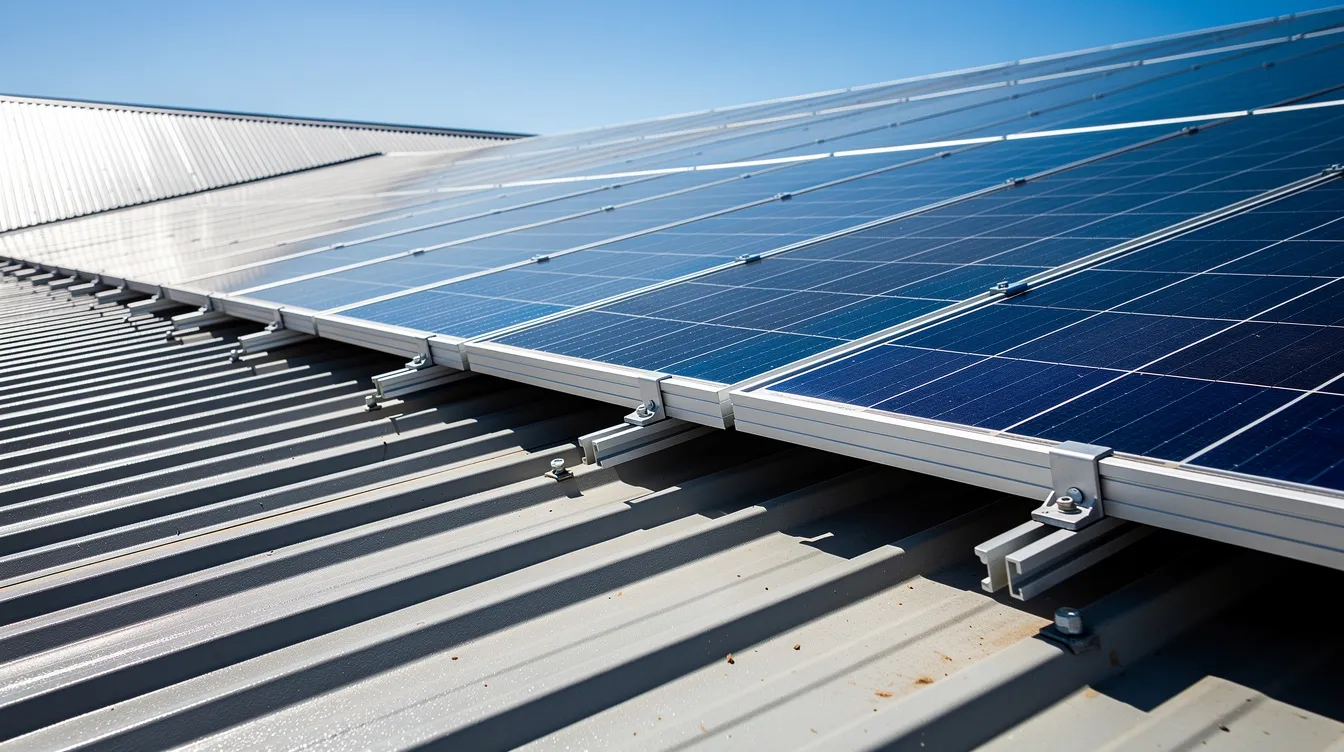
Common Brisbane roof types include Colorbond steel, tiles, and low-pitch modern designs. Colorbond roofs are generally easier and quicker to install on, while tile roofs add labour cost and require careful sealing. Quality mounting hardware rated for wind uplift is essential on every Brisbane roof, especially near the coast or on hilltops exposed to summer storms. All the installers working on your system should hold Clean Energy Council accreditation.
Solar Rebates, STCs & Feed-in Tariffs for Brisbane in 2026
For most Brisbane homeowners in 2026, the main solar rebate is the federal STC (small-scale technology certificates) scheme. There is no separate ongoing Queensland state solar rebate for standard rooftop solar systems.
Here’s how it works: when you install a solar energy system, the installer creates small-scale technology certificates based on your system size and Brisbane’s STC zone (Zone 3). These certificates are sold on a market, and the value is applied as a discount on your invoice – you don’t need to claim anything yourself. Brisbane residents can receive a federal STC rebate that typically covers 30–40% of installation costs. For example, an 8 kW system can attract a rebate of around $2,200. The STC rebate reduces installation costs by 30–40%, making the upfront price significantly more manageable.
The federal STC rebate value is scheduled to decline over coming years as the deeming period shortens. Acting sooner locks in a higher rebate.
Queensland surpassed one million solar installations in 2023, driven partly by this incentive. The Clean Energy Regulator oversees the scheme nationally, ensuring certificates are legitimate and installers meet compliance requirements.
Feed-in tariffs in the Energex region are set by electricity retailers, not the state government. Feed-in tariffs in Brisbane range from 4 to 10 cents per kWh for exported solar electricity. Feed-in tariffs allow homeowners to earn credits by exporting excess solar energy, but these rates are far below what you pay to buy power from the grid (~28c/kWh), which is why maximising self-consumption matters more than chasing the highest solar feed-in tariff.
The federal battery rebate reduces costs for new solar batteries. Under the Cheaper Home Batteries Program (active from 1 May 2026), eligible Brisbane households can receive roughly 30% off qualifying battery systems with usable capacity between 5 and 100 kWh.
Solar Panel & Battery Prices in Brisbane (2026)
Solar panel prices in Brisbane are influenced by system size, component quality, roof complexity, and whether battery storage is included. Here are typical 2026 installed prices after the federal STC rebate:
| System Size | Price Range (after STCs) |
| 3–5 kW | $4,400–$6,500 |
| 6.6 kW | $5,000–$8,500 |
| 10 kW | $8,000–$13,000 |
A 6.6 kW solar system costs about $5,730 in Brisbane at the mid-range, using Tier-1 panels and a reputable inverter. A 10 kW solar system in Brisbane costs between $8,000 and $13,000 depending on brand and roof complexity. Solar panel prices in Brisbane range from $5,000 to $8,500 for the popular 6.6 kW size.
Adding a 10–13.5 kWh battery to a new system typically adds several thousand dollars, though the federal battery rebate can offset roughly 30% of that. Retrofitting a battery to an existing system usually costs more per usable kWh due to additional inverter or switchboard upgrades.
A cheap system that looks too good to be true usually is. Anything priced significantly below $0.75/W after STCs is a red flag – often meaning low-grade hardware, rushed installs by subcontractors, or weak warranties that won’t hold up over a 20–25 year panel lifespan. Compare at least two or three itemised solar quotes from reputable Brisbane solar companies and look beyond headline price to assess value, workmanship warranty, and future service commitment.
Are Solar Panels Worth It in Brisbane?
Due to high sun hours and high grid electricity prices, solar panels are generally very worthwhile in Brisbane when correctly sized and installed. Solar panels significantly lower household electricity bills in Brisbane – that’s not a claim, it’s arithmetic.
A typical 6.6 kW solar system on a Brisbane home can cut the power bill by $1,500–$2,500 per year. Brisbane solar panels can save up to $3,000 annually for larger systems or households with high daytime usage. The typical payback period for solar panels in Brisbane is 3 to 5 years, with an average payback period of around 4.8 years across common system sizes. Annual savings can reach approximately $2,638 with higher feed-in tariffs and strong self-consumption.
The financial case hinges on self-consumption versus export. Using your own solar energy to avoid buying electricity at ~28c/kWh is far more valuable than exporting it for a few cents. Households that run pool pumps, air conditioning, or EV charging during solar production hours see the strongest returns, reducing reliance on the electricity grid substantially.
Beyond the numbers: investing in solar can increase property values in the Brisbane market, offers protection against future electricity price rises, reduces greenhouse gas emissions, and appeals to eco-conscious buyers and renters.
Solar might be less attractive on heavily shaded roofs, homes with very low daytime usage, or very complex multi-level roofs where installation costs balloon. A good solar installer will advise honestly if a solar power system isn’t suitable for your situation.
Is Solar Battery Storage Worth It in Brisbane?
In 2026, battery storage in Brisbane is often more about energy independence, blackout protection, and long-term bill control than pure short-term ROI.
Battery storage systems increase energy independence for Brisbane households. A 10–13.5 kWh battery installed with a new solar and battery system can offset roughly 1,500–2,500 kWh of annual evening grid purchases, depending on household behaviour. Typical battery payback times sit at 7–10+ years compared to 3–5 years for panels alone. Time-of-use tariffs, EV ownership, and rising electricity prices can improve that equation over the battery’s lifespan.
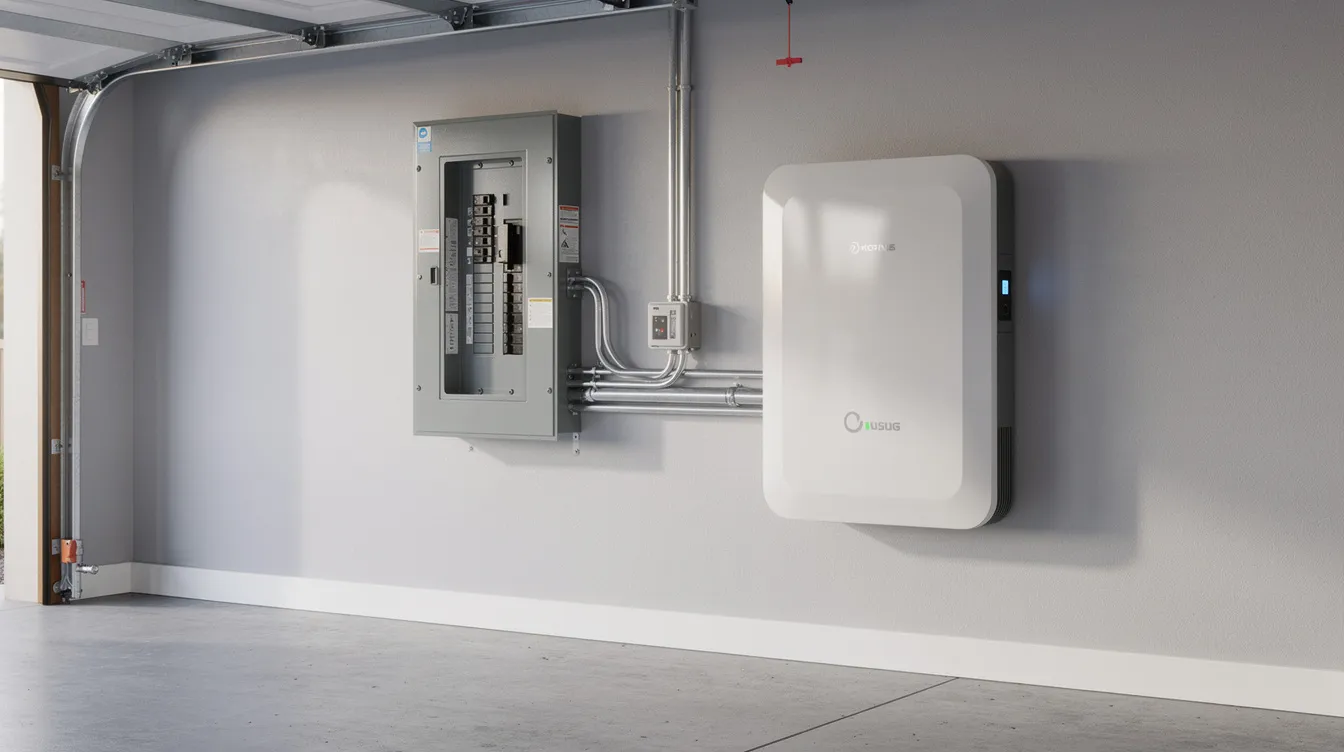
Backup power during Energex outages is increasingly attractive in storm-prone Brisbane suburbs. Not all battery systems provide backup – the difference lies in whether you have a hybrid inverter with the right switchboard configuration. Standard “self-consumption only” setups won’t keep the lights on during a blackout; backup-capable systems power essential circuits like fridges, lights, and internet.
For Brisbane homeowners who can’t afford a battery right now, a “battery ready” solar system design is smart. This means installing a hybrid inverter and sizing your switchboard for a future battery installer to add storage with minimal rework – a small upfront cost that avoids expensive retrofitting later.
Choosing the Best Solar Panels, Inverters & EV Chargers for Brisbane
The best solar system in Brisbane balances quality, efficiency, warranty, and price rather than chasing the cheapest quote or the most expensive brand. Here’s how to evaluate each component.
Panels: Look for Tier-1 brands with proven performance in Australian conditions. Panels with strong warranties generally offer 25-year performance guarantees (typically 80–90% output at year 25) plus a 10–15 year product defect warranty. Efficiency ratings of 20–22% are standard; premium models reach 23–25%, helpful when roof space is tight.
Inverters: Quality solar inverters are crucial for converting DC electricity from panels into usable AC power. String inverters are cost-effective for straightforward roofs. Hybrid inverters add battery and backup capability. Microinverters or power optimisers suit complex roofs or partial shading but add cost. Prioritise brands with strong local support – if your inverter fails in year 8, you need a local team that can replace it promptly.
EV chargers: As electric vehicle uptake grows, integrating EV chargers with your solar system in Brisbane makes sense. Smart chargers can schedule charging during peak solar production, using more power from your roof and less from the grid, further cutting your power bill.
Quality installations require Clean Energy Council accreditation for safety and compliance. Prioritise whole-of-system design quality – cabling, isolators, racking, monitoring – and an in-house team of accredited installers over flashy marketing or one-off sales pitches.
Grid Connection, Energex/Ergon Rules & Feed-in Limits
Every solar system in Brisbane must comply with network rules from either Energex (covering greater Brisbane, Gold Coast, and Sunshine Coast) or Ergon (regional Queensland).
Key export limits to know:
- Single-phase (fixed connection): 5 kW export limit per phase
- Single-phase (dynamic connection): up to 10 kW per phase when network capacity allows
- Three-phase: up to 15 kW total export under favourable conditions
The grid connection process is straightforward with a reputable installer: they design the system, submit an application to the electricity grid operator, obtain approval, install, then arrange meter reconfiguration to measure exports. While exported solar energy earns a feed-in tariff, system design should focus on self-consumption and compliance.
Reputable solar panel installers manage all paperwork, safety checks, and compliance, ensuring the system is approved, inspected, and safely connected. Your installer should check the available capacity at your local transformer – Energex publishes maps showing export headroom by area.
Ongoing Maintenance, Monitoring & Troubleshooting for Brisbane Solar Systems
Solar panels in Brisbane are generally low-maintenance, but regular care sustains high performance over 20–25 years. Rooftop solar system maintenance involves periodic checks for debris and damage – especially after summer storms.
Practical maintenance routine:
- Visual check of panels and mounting hardware twice per year
- Solar panel cleaning is necessary to maintain efficient energy generation – clean when visibly dirty (after dust storms, dry spells, or bird activity)
- Full professional inspection every 2–3 years
- Monitor inverter display or app for error codes
Online monitoring through inverter apps lets Brisbane homeowners track energy generation daily, spot sudden drops, and detect faults or shading issues early.
Common issues in Brisbane systems:
- Loose isolator covers after storms
- Animal damage to cables (possums are a frequent culprit)
- Tripped breakers following lightning or power surges
- Gradual soiling reducing output by several percent
Never attempt DIY electrical repairs on a solar power system. Contact your installer or a CEC-accredited electrician. Environmental benefits of solar include reduced greenhouse gas emissions, making ongoing maintenance worthwhile for both your wallet and the planet.
Strong after-sales support matters. Clear warranty terms and a local team mean that if something goes wrong, you have someone to diagnose, repair, and manage claims without delay.
Real-world Example: A Brisbane Solar Installation in Practice
Consider a family in a single-storey home in Logan – a common Brisbane suburb with a Colorbond roof split between north and east-facing sections. Their pre-solar quarterly electricity bill averaged $650, with daily usage around 22 kWh, much of it from ducted air conditioning and a pool pump.
System details:
- 8.2 kW panel array (north/east split) using Tier-1 panels at 21% efficiency
- 5 kW hybrid inverter (battery-ready)
- No battery at install – planned for addition within 2–3 years
- Total cost after STC rebate: approximately $6,900
Results after 12 months:
- Daily solar production: ~32 kWh on average
- Self-consumption rate: ~55%
- Quarterly bill dropped from $650 to roughly $140 (including supply charges)
- Annual savings: approximately $2,040
- Projected payback: ~3.4 years
Design decisions included splitting panels across the north-facing roof (maximum yield) and east-facing section (morning pool pump and breakfast-time cooking). The hybrid inverter means a battery installer can add storage later without replacing the inverter or rewiring the switchboard.
Over the next decade, the family plans to add a 10 kWh battery when prices drop further, install an EV charger (they’re considering an electric vehicle in 2028), and switch their gas hot water to a heat pump – all powered by more power from their existing solar energy system.
How to Get Started with Solar Panels in Brisbane
Getting from curiosity to a working solar system on your Brisbane home is simpler than most people expect. Here’s a practical path:
- Gather your data: Pull your last 3–6 months of electricity bills. Note your average daily kWh usage and peak seasons. Check your roof type and available roof space – phone photos help.
- Decide your priorities: Is battery storage a near-term goal? Are you considering EV chargers? Do you want to future-proof with a hybrid inverter? Commercial solar needs differ from residential, so be clear about your situation.
- Get multiple quotes: Insist on itemised proposals showing panel and inverter brands, system size, estimated annual energy generation, STC rebate value, and total out-of-pocket price. Simply fill in your details with two or three installers to receive an initial quote.
- Check credentials: Verify CEC-accredited designers and installers, a local office in Brisbane, adequate insurance, workmanship warranties of 10+ years, and independent reviews from past Brisbane customers.
- Compare value, not just price: The amount you’re paid depends on what hardware, warranty, and service back the quote. A slightly higher-priced system from a reputable company with a local team often delivers far better long-term savings than a bargain installation that fails in year 4.