Seattle and Vancouver sit only about 140 miles apart. They’re close enough for a weekend away, a business meeting or an onward flight, yet different enough to feel like a proper trip abroad. The journey crosses an international border, and that one fact shapes almost every decision about how to make it.
For travellers who want the trip to be easy, a private car service is often the most comfortable option. Seattle operators such as www.seattlestowncar.com/seattle-to-vancouver-transportation/ run door-to-door transfers between the two cities: no luggage to drag between stations, no parking to sort out in Vancouver, and a driver who makes the crossing regularly. Still, it’s worth weighing all the options, because the right one depends on your group, your schedule and your budget.
Driving yourself
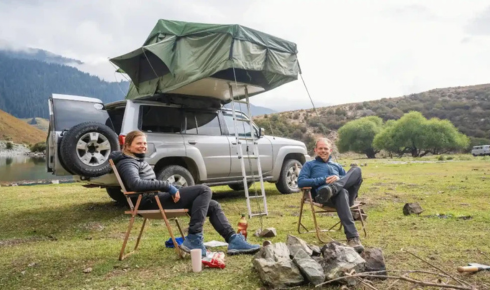
Taking your own car or a rental gives you full flexibility. You can stop in Bellingham, detour along Chuckanut Drive or carry on to Whistler. Without delays, the drive takes around two and a half to three hours. The variable is the border. Waits at the main crossings near Blaine can be short on a weekday morning and long on a holiday weekend or a summer Friday afternoon. Both countries publish live wait times online, and checking them before you set off can save an hour.
Check the paperwork too. If you’re renting, confirm the company allows the car into Canada, and carry the rental agreement and proof of insurance.
Taking the train
Amtrak Cascades connects downtown Seattle with Vancouver’s Pacific Central Station along a scenic coastal route, with stretches of shoreline views that the highway can’t match. Border formalities are handled as part of the journey. The train is relaxing and reasonably priced, but services are limited to a few departures a day, so it works best when your timing is flexible and you’re travelling fairly light.
Bus and shuttle services
Scheduled coaches are usually the cheapest way across. In return you get fixed timetables, stops along the way and a border process where the whole bus waits until every passenger has cleared. It’s fine for budget travellers, less so with tight connections or young children.
Flying
Short flights do run between Sea-Tac and Vancouver International. Once you add check-in, security, the trip to and from each airport and possible delays, though, flying rarely saves time over the drive. It makes sense mainly as part of a longer international itinerary.
Private car service
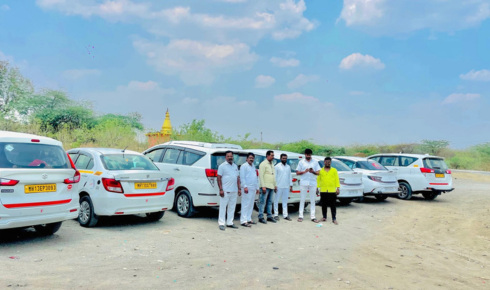
A chauffeured transfer collects you from your home, hotel or airport and drops you at the door at the other end. That’s especially useful for families, groups splitting the cost, business travellers who want to work en route, and anyone heading from a Seattle cruise to a Vancouver hotel or the other way around. Ask in advance how the provider handles border waits, and confirm that the price is fixed rather than based on time.
Don’t forget the documents
Whichever option you choose, everyone in the vehicle needs valid travel documents for entering Canada and returning to the United States: a passport, a passport card, an enhanced driver’s licence or a NEXUS card, depending on citizenship. Check current entry requirements before travelling, especially if anyone in your group isn’t a US or Canadian citizen. Have the documents to hand, not packed in the boot.
Each option has its place. Travel solo and on a budget, and the train or bus does the job well. Want freedom to explore, and driving wins. For a group, a family or a tight schedule, a car that takes you door to door makes the border crossing just a short pause in a smooth journey.