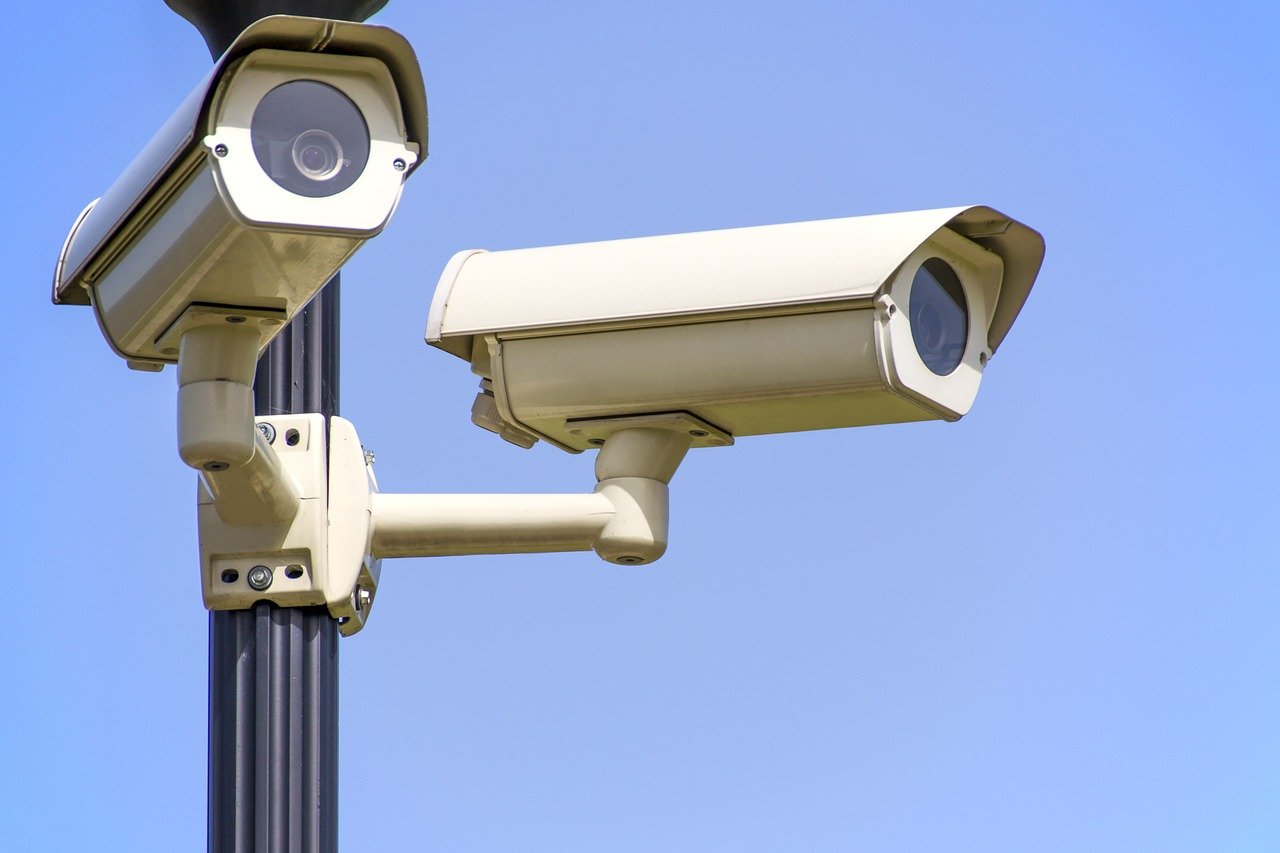
Vandalism presents a constant operational challenge for commercial property owners, site managers, and municipal operators. Beyond the immediate expense of structural repairs, repainting, and glass replacement, property defacement can undermine a business’s professional reputation, lower surrounding land values, and signal a lack of oversight that invites further criminal activity. While physical barriers, outdoor lighting, and routine maintenance contribute to perimeter security, visible surveillance technology remains one of the most reliable strategies for active deterrence.
The Psychology of Deterrence in Physical Security
Understanding why visual surveillance deters property damage requires looking at situational crime prevention principles. Environmental criminology demonstrates that most property crimes—including graffiti, broken windows, and forced tampering—are opportunistic acts. Intruders weigh the immediate reward against the perceived risk of identification and apprehension.
Visible cameras alter this risk equation in several ways:
- Increased Perceived Risk: When a camera housing is mounted clearly at an entry point or exterior wall, a prospective intruder recognizes that their identity and actions are actively being recorded.
- Removal of Anonymity: Vandalism relies heavily on darkness and cover. Clear, visible lenses signal that physical cover no longer guarantees anonymity.
- Psychological Interruption: Knowing an area is actively monitored forces individuals to reconsider impulsive acts of destruction, redirecting foot traffic away from high-value target areas.
To maximize these psychological barriers, cameras must be explicitly visible rather than concealed. While covert or hidden cameras serve a role in evidence collection during ongoing investigations, they offer minimal value in preventing initial damage.
Strategic Placement for Exterior Protection
Effective deterrence depends on proper camera positioning. Simply mounting equipment on an exterior wall without considering field of view, lighting, and environmental factors can leave blind spots that vulnerable areas exploit.
To build an effective visual perimeter, consider these key structural placement principles:
Primary Access Points and Loading Docks
Perimeter doors, service entrances, delivery bays, and gate lines represent primary targets for forced entry and graffiti. Positioning visible cameras directly above or adjacent to these access points provides clear facial identification while serving as a direct warning to unauthorized visitors.
Exposed Exterior Walls and Fencing Lines
Large, unobstructed building facades, perimeter fences, and blind corners frequently attract property defacement due to limited foot traffic. Mounting wide-angle or bullet-style cameras along wall spans establishes a clear visual boundary along the entire length of the facility.
Parking Structures and Exterior Storage Yards
Isolated outdoor zones such as surface parking lots, vehicle fleets, and outdoor inventory staging yards require elevated monitoring. Mounting cameras on dedicated light poles or high building corners creates broad visual coverage across valuable assets.
Selecting and deploying bullet or dome-stylesecurity cameras for business allows site managers to establish clear, visible boundaries that discourage unauthorized entry and mitigate property damage across commercial facilities.
Hardware Features That Enhance Visible Deterrence
The physical appearance of surveillance hardware contributes significantly to its deterrent value. Modern commercial enclosures combine overt visual cues with durable construction designed to withstand harsh outdoor conditions.
Key features that support visible anti-vandalism strategies include:
- Vandal-Resistant Enclosures (IK Ratings): Equipment deployed in accessible outdoor zones should feature an IK10 impact rating. An IK10-rated enclosure protects internal lenses and sensor electronics against direct strikes with heavy objects, preventing perpetrators from disabling the camera through physical impact.
- Active Deterrence Mechanisms: Many modern commercial units feature built-in white light spotlights, flashing strobe indicators, and audible warning sirens. When motion sensors detect unauthorized activity outside operating hours, the immediate illumination of a spotlight confirms to the intruder that their presence has triggered an active system response.
- Integrated Two-Way Audio: Visible speaker housings allow central operators or site managers to broadcast live or automated voice warnings, informing trespassers that law enforcement or security personnel are being dispatched.
Combining Visual Deterrence with Real-Time Response
While visible camera housings deter a high percentage of casual vandals, comprehensive security requires turning visual presence into active monitoring. Pairing overt equipment with intelligent video analytics ensures that detected activity triggers immediate intervention rather than passive post-incident review.
Video analytics can differentiate between natural environmental motion—such as wind-blown foliage or small animals—and human or vehicular presence. When a human shape approaches a restricted building facade after hours, the system can automatically send high-priority alerts with video verification to a monitoring station or property administrator. This rapid verification loop ensures that active trespassing is met with a prompt security or law enforcement response before substantial physical damage occurs.
Maintaining Long-Term Deterrent Effectiveness
A surveillance installation only remains an effective deterrent if it appears fully operational and well-maintained. Neglected, dirty, or damaged camera units send the opposite signal to potential intruders, implying a lack of overall facility oversight.
Routine maintenance protocols should include cleaning camera domes and glass covers, trimming surrounding foliage that could obstruct lenses or offer physical handholds, and regularly inspecting mounting brackets and conduit lines for signs of wear or attempted tampering.
By establishing a visible, properly positioned, and actively monitored surveillance layout, property owners create a formidable psychological and physical barrier. This proactive approach significantly reduces property defacement, protects valuable infrastructure, and maintains a safe, secure environment for employees, visitors, and tenants alike.
