The construction industry is undergoing a significant transformation driven by the need for greater structural efficiency, enhanced sustainability, and improved building performance. Traditional building materials like conventional concrete, standard timber, and structural steel remain foundational, but advancements in material science are introducing high-performance alternatives that redefine how structures are designed and built.
From carbon-neutral composites to ultra-durable concrete formulations, modern construction materials address key challenges such as thermal inefficiency, structural wear, and environmental impact. Understanding these emerging innovations provides insight into how future residential and commercial properties will achieve greater longevity and lower operational costs.
Next-Generation Concrete and Cementitious Composites
Concrete is the most widely used man-made material on earth, making its evolution critical to modern building design. Advanced engineering has led to stronger, self-healing, and low-carbon alternatives.
Ultra-High-Performance Concrete (UHPC)
Ultra-High-Performance Concrete is formulated with fine powders, silica fume, reactive quartz, and high-strength steel or synthetic fibers. Unlike standard concrete, UHPC features a tight particle packing density that eliminates macro-pores. This yields compressive strengths exceeding 17,000 pounds per square inch (psi) and exceptional resistance to freeze-thaw cycles, chemical exposure, and water ingress.
Self-Healing Concrete
Concrete degradation often begins with micro-cracks that allow water and corrosive elements to reach internal reinforcement steel. Self-healing concrete integrates bacterial spores or microencapsulated chemical healing agents into the mix. When moisture penetrates a newly formed crack, the dormant bacteria reactivate or the capsules burst, producing calcium carbonate that seals the fissure from within before structural damage occurs.
Engineered Wood Products and Mass Timber
Wood continues to regain prominence in structural engineering thanks to mass timber manufacturing techniques that enhance strength and fire resistance.
Cross-Laminated Timber (CLT)
Cross-Laminated Timber consists of layers of kiln-dried lumber stacked perpendicularly and glued together under high pressure. This cross-directional alignment creates rigid panels capable of matching the structural capacity of steel and concrete while remaining significantly lighter. CLT panels allow for rapid prefabricated assembly on site, reducing construction timelines and job site waste.
Glue-Laminated Timber (Glulam)
Glulam involves bonding individual laminations of timber with moisture-resistant adhesives, aligned along the grain. This enables the creation of long-span structural arches, beams, and columns without requiring intermediate supports, offering architects immense design flexibility for open-concept layouts.
High-Performance Metals and Structural Alloys
Modern building envelopes and frames rely heavily on metals that resist environmental degradation while maintaining structural integrity over decades.
- Weathering Steel (Corten): Develops a protective rust-like oxide layer when exposed to atmospheric conditions, eliminating the need for recurring protective painting or surface sealants.
- Titanium-Zinc Alloys: Utilized for cladding and roofing systems, providing self-healing oxide layers that protect against atmospheric corrosion in coastal or industrial environments.
- Thermal Break Structural Steel: Incorporates insulating thermal separators into steel framing components to stop thermal bridging between interior and exterior walls.
Smart Envelopes and Advanced Insulation Systems
Building envelope materials directly govern energy efficiency by controlling heat transfer, air infiltration, and natural lighting.
| Material Class | Key Innovation | Functional Advantage | Primary Application |
| Aerogel Insulation | Nanoporous silica structure | Highest thermal resistance per unit thickness | Exterior wall cavities and window framing |
| Electrochromic Glass | Microscopic metal oxide coatings | Changes tint electronically via low-voltage charge | Commercial and residential glazing systems |
| Vacuum Insulated Panels (VIPs) | Evacuated core enclosed in airtight envelope | Up to five times higher R-value than rigid foam | Roof decks and slim exterior assemblies |
| Phase Change Materials (PCMs) | Paraffin or salt hydrate encapsulation | Absorbs and releases latent thermal energy | Interior drywall and ceiling installations |
Integrating Modern Materials into Real-World Projects
Adopting advanced materials requires coordinated planning among architects, engineers, and trade specialists. Material selection must account for local climate conditions, structural load requirements, and regional building code mandates.
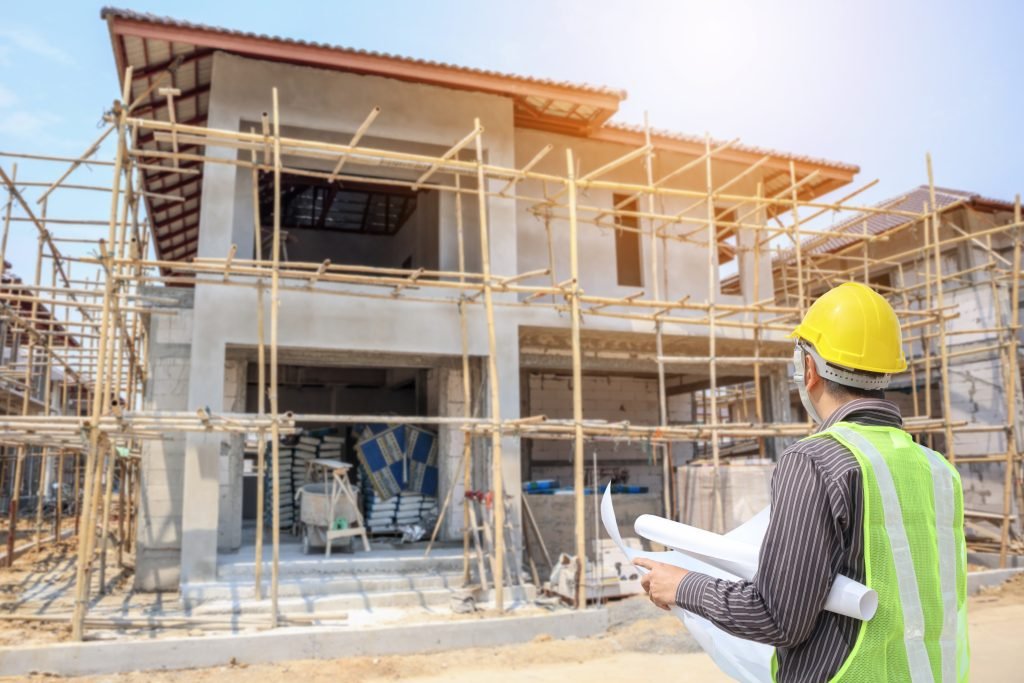
Partnering with an experiencedconstruction company ensures that innovative material choices align with proper structural engineering standards, local permitting requirements, and sound build practices. When executed correctly, integrating advanced materials reduces long-term maintenance cycles and optimizes overall energy performance across a building’s lifecycle.
Conclusion
The adoption of innovative construction materials represents a pivotal shift toward safer, more durable, and energy-efficient structures. By replacing or supplementing traditional materials with high-performance concrete, mass timber, advanced alloys, and smart insulation systems, modern building practices ensure that physical structures are better equipped to withstand environmental stresses while minimizing energy consumption.