Stockpiling medication as part of a broader emergency preparedness plan makes sense, but simply buying extra bottles and tossing them in a drawer isn’t the same as storing them properly. Medications are chemically active compounds, and like most chemical compounds, they degrade under the wrong conditions. Understanding how storage actually affects medication stability is the difference between a stockpile you can trust and one that’s quietly losing potency without you realizing it.
This guide covers the storage principles that genuinely matter, the factors that speed up degradation, and how to build a rotation system that keeps a medication stockpile realistically useful.
The Three Enemies of Medication Stability
● Heat: Most medications are formulated to remain stable at controlled room temperature, and prolonged heat exposure accelerates chemical breakdown significantly
● Humidity: Moisture can degrade tablets and capsules, particularly anything not stored in its original, sealed packaging
● Light: Direct sunlight and even prolonged exposure to regular light can break down certain medications faster than dark storage would
Combine two or three of these factors, a hot, humid, sunlit location, for instance, and degradation happens considerably faster than the same medication stored somewhere cool, dry, and dark.
It helps to think of medication stability less like a light switch and more like a dimmer. A tablet doesn’t sit at full potency and then suddenly drop to zero the moment conditions turn unfavorable. Instead, potency erodes gradually, and the rate of that erosion is directly tied to how far outside ideal conditions the medication has actually been kept. A bottle that spent one hot week in a car is in a very different position than one that’s spent three summers doing the same thing.
Where Not to Store Medication
The bathroom medicine cabinet, despite the name, is genuinely one of the worst places to store medication long-term. Showers and baths create exactly the heat and humidity swings that accelerate degradation. A car glovebox is even worse, given how hot a parked car’s interior can get, even on a mild day. Garages and attics face similar seasonal temperature extremes that undermine long-term stability.
What Good Storage Actually Looks Like
● A cool, dry closet or cabinet in the main living area of a home, away from direct sunlight
● Original containers or packaging whenever possible, since manufacturers design that packaging specifically to protect the contents
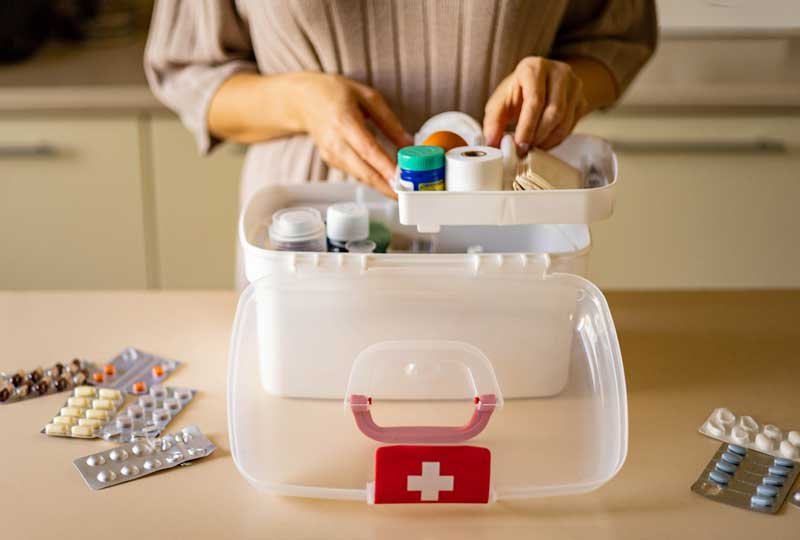
● A dedicated storage container with a tight seal if you’re consolidating multiple medications, ideally with a small desiccant packet to manage humidity
● A stable temperature range, generally between 68 and 77 degrees Fahrenheit, similar to normal comfortable room temperature
An interior closet, away from any exterior wall, tends to be one of the more overlooked but genuinely excellent storage spots in a typical home. Exterior walls swing more with outdoor temperature changes than interior ones do, and closets are naturally dark, which checks two of the three major boxes without any special equipment. A small hygrometer, an inexpensive device that measures humidity, can help confirm whether a chosen storage spot is actually staying dry enough, rather than just assuming it is.
Understanding How Different Medications Age
Not every medication degrades at the same rate or in the same way, and this is exactly why the question of does amoxicillin expire comes up so often among people building a long-term medical stockpile. Liquid medications and reconstituted antibiotics generally have much shorter usable windows than solid tablets, while some tablets and capsules have shown measurable potency well past their printed expiration date under ideal storage conditions, according to research the military has conducted on its own stockpiles over the years.
This doesn’t mean every expired medication is automatically safe or automatically useless. It means the honest answer depends on the specific medication, its formulation, and how well it was actually stored, which is worth researching on a case-by-case basis rather than assuming a blanket rule applies to everything in a medicine cabinet.
Freezing and Refrigeration: Not Always the Answer
It’s a common assumption that colder is always better for preserving anything, medication included, but this isn’t universally true. Some medications specifically require refrigeration and will actually lose potency faster at room temperature, while others can be damaged by freezing temperatures, developing cracks or separating in ways that affect how the medication works. Always check the specific storage instructions for each medication rather than assuming a single rule applies across your entire stockpile.
● Insulin and certain biologic medications typically require consistent refrigeration and should never be frozen
● Most standard tablets and capsules are formulated for room-temperature storage and don’t benefit from refrigeration
● Liquid antibiotics that have already been mixed by a pharmacist often specifically require refrigeration once reconstituted, with a notably shorter usable window than the dry powder had before mixing
Building a Rotation System
● Label every container with the date it was purchased or filled, not just relying on the printed expiration date alone
● Keep an inventory list, whether on paper or digital, noting quantities and expiration timelines at a glance
● Use the oldest stock first in daily life, replacing it with fresh stock, so your emergency reserve naturally cycles rather than sitting untouched for years
● Set a recurring calendar reminder to review the full stockpile at least once or twice a year
A first-in, first-out system, the same basic principle grocery stores use for stocking shelves, works just as well for a home medication stockpile. Place newly purchased stock at the back of a shelf or storage bin, and pull from the front for everyday use. Over time, this naturally keeps your reserve supply rotating rather than static, so you’re never relying on the very oldest bottle in your collection during an actual emergency.
Special Considerations for Antibiotics Specifically
Antibiotics deserve a bit of extra thought compared to general over-the-counter stockpiling, mostly because they’re prescription medications meant to be used under a doctor’s guidance for a specific diagnosed infection. Keeping a course on hand for a genuine emergency is a decision worth discussing directly with your physician, including how they’d recommend storing it and what circumstances would actually warrant using it without a fresh prescription.
● Ask your doctor directly about the practicality and legality of maintaining an emergency antibiotic supply where you live
● Store any antibiotics in their original prescription container with the pharmacy label intact, which preserves important dosing and identification information
● Understand that using antibiotics without a proper diagnosis carries real risk, including treating the wrong type of infection or contributing to antibiotic resistance
It’s also worth understanding that not all antibiotics are created equal when it comes to long-term stability. Some formulations have shown measurable potency retention well past their labeled date under good storage conditions, while others degrade meaningfully faster, particularly liquid suspensions that a pharmacist mixes at the time of dispensing rather than a solid tablet manufactured and sealed at the factory. This variation is exactly why treating every prescription bottle in a medicine cabinet as functionally identical is a mistake, and why a little research into your specific medications pays off.
A medication stockpile is only as valuable as its actual potency when you need it. Taking storage seriously from the start is a far better strategy than discovering years later that heat and humidity quietly ruined a supply you were counting on.